
01.06.2026
International
Clariant has received U.S. Food and Drug Administration (FDA) approval for its bio-based Licocare RBW wax additives for use in rigid polyvinyl chloride (PVC) food-contact applications. The authorization, effective May 7, 2026, extends the company's existing FDA approval beyond polyester materials to include rigid PVC. The approval covers the complete Licocare RBW product range, including the RBW 100 series, RBW 300 series and the grades Licocare RBW 360 Vita and RBW 560 Vita. The additives are authorized for use as processing aids, lubricants, release agents and slip additives in single- and repeat-use rigid PVC applications across all food types, except for infant formula and human milk contact.
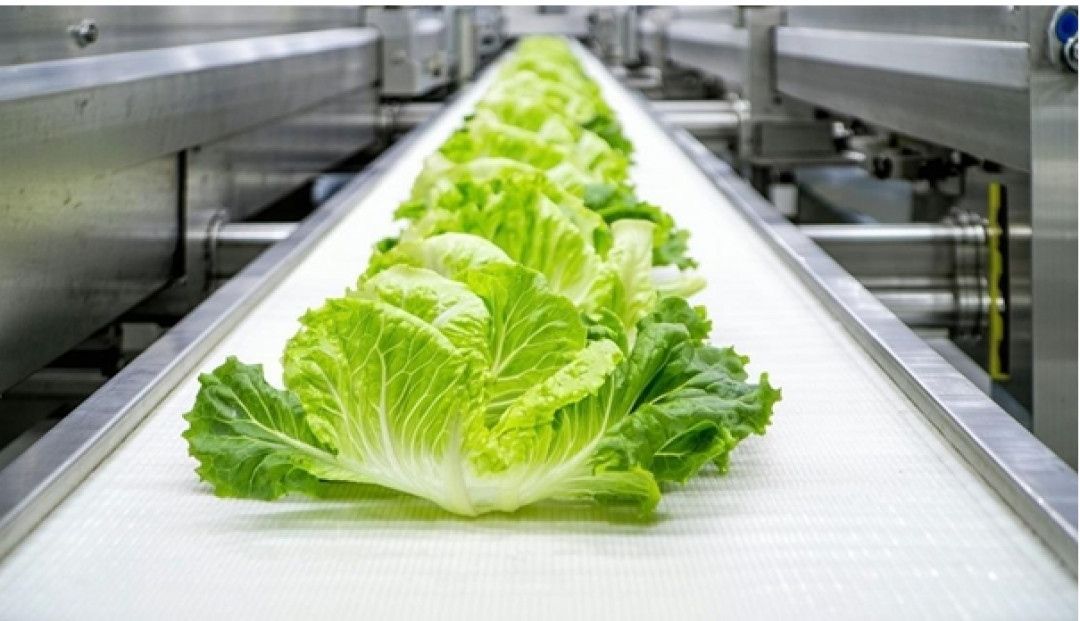
For direct food-contact applications, the additives are approved at levels up to 0.5 % by weight under conditions of use C through H, with a temperature maximum of 80 °C for hot-fill applications. Clariant has also received an Opinion Letter of No Objection (LONO) for repeated use up to 1 % concentration in food-contact articles for food processing equipment made of rigid PVC. The dual authorization enables use across multiple applications, including rigid PVC containers, packaging materials and food processing equipment components such as conveyor belts, cutting boards, storage containers, seals and gaskets. The different concentration levels allow formulators to adjust specifications based on their specific application requirements while maintaining regulatory compliance.
The FDA approval adds to Clariant's existing regulatory authorizations for the Licocare RBW portfolio. In February 2026, the EU Commission published authorization based on EFSA's positive opinion for the same product line in PET, PLA and rigid PVC materials. The company also holds authorization from the Japanese food safety authority. This combination of approvals provides manufacturers with regulatory compliance across major international markets.
"Achieving FDA approval for our Licocare RBW additives in rigid PVC applications demonstrates Clariant's commitment to delivering sustainable solutions that meet the highest regulatory standards across multiple jurisdictions," said Diederik Goyvaerts, Market Manager, Additives at Clariant. "This authorization represents years of dedicated work and opens significant opportunities for manufacturers to transition to renewable alternatives while maintaining full compliance with food safety regulations in both North American and European markets."
Licocare RBW additives are derived from rice bran wax and provide a renewable alternative with substantial carbon footprint reductions compared to conventional fossil-based montan waxes. The industry has experienced supply constraints with montan wax, which is extracted from lignite coal deposits in Germany that are actively depleting. This has resulted in supply disruptions and price increases for manufacturers. The rice bran wax additives provide processing benefits including lubrication, mold release, nucleation effects and enhanced dispersion properties. The products are biodegradable and industrially compostable, which supports end-of-life sustainability requirements for packaging materials. The production process avoids the landscape disruption and biodiversity impact associated with lignite mining.
The FDA approval for rigid PVC follows Clariant's approach of securing regulatory authorizations across different materials and regions. With approvals now covering FDA, EFSA, and Japanese authorities, the company has established regulatory compliance for its bio-based Licocare RBW portfolio in key global markets. This provides manufacturers with the regulatory framework needed to implement renewable alternatives in their food-contact application.
(Source: Clariant)
Schlagworte
Joining PlasticsJPPETPLAPlasticsPolyvinyl ChloridePVC