
12.06.2026
International
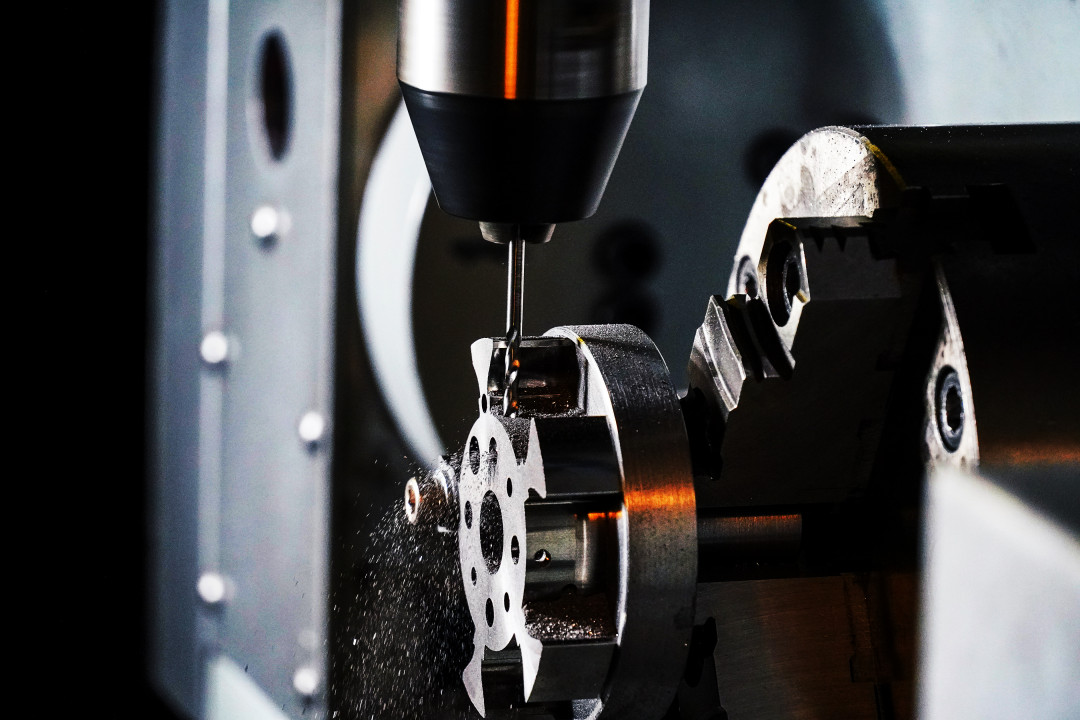
Höganäs, a global manufacturer of ceramic and metal powders for industrial applications, has published its Sustainability Report 2025, showing strong progress across climate, circularity and diversity. The company has reached its 2030 Science Based Targets for scope 1 and 2 emissions five years ahead of schedule, while also meeting its targets for process residuals and gender diversity.
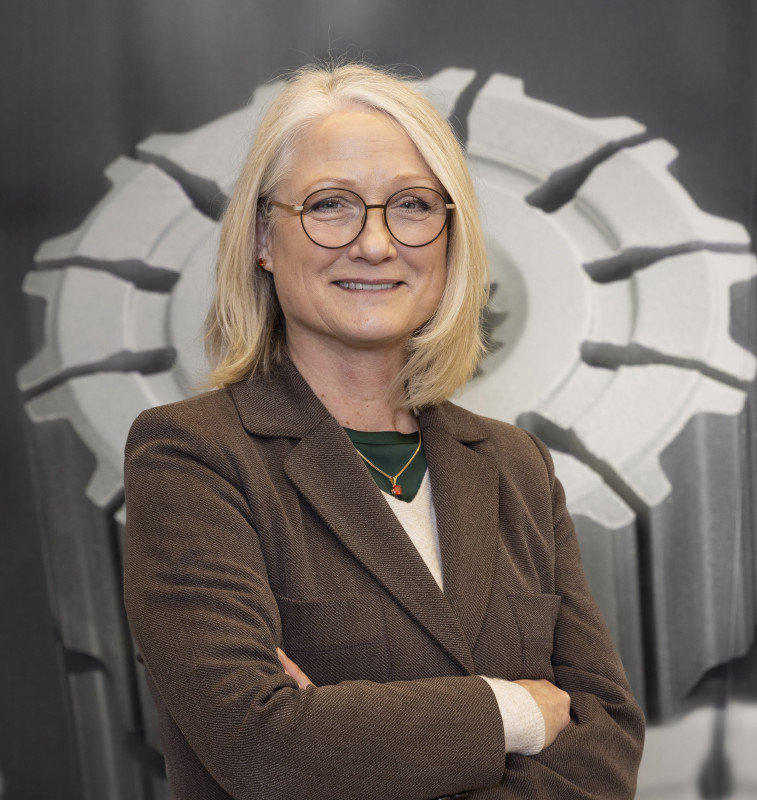
“Reaching our 2030 Science Based Targets for scope 1 and 2 already in 2025 is an important milestone for Höganäs. It shows that our actions are delivering measurable emissions reductions, and it strengthens our confidence as we continue toward net zero,” says Catharina Nordeman Vice President Group Sustainability.
Compared with 2018, Höganäs’ scope 1 and 2 emissions decreased by 55 % in absolute tonnes. Carbon intensity (tonnes CO2 divided by tonnes full value products) for scope 1 and 2 has decreased by 38 %.
Höganäs’ climate targets were validated by the Science Based Targets initiative (SBTi) in 2023:
- 51 % reduction in scope 1 and 2 by 2030,
- 30 % reduction in upstream scope 3 by 2030,
- Net zero across the value chain by 2040.
Key drivers include the shift to fossil-free electricity and increased use of biogas and biofuels.
Upstream scope 3 emissions decreased by 27 % in absolute tonnes compared with 2018. The carbon intensity has decreased 11 % for scope 3 category 1, raw materials, and only 1 % for total upstream scope 3. This means Höganäs must focus more on scope 3 to make sure they will meet their target of 30 % reduction by 2030.
More secondary raw materials
Primary raw materials such as iron ore have a significant environmental footprint. To reduce impact, Höganäs continues to increase the share of secondary raw materials. Over the past five years, the share rose from 48 % (2021) to 59 % (2025), by replacing primary materials such DRI, HBI and pig iron with scrap. Also, some primary non-ferrous materials have been replaced with secondary materials, and this is an area where Höganäs might have big opportunities to lower the scope 3 emissions and environmental impact going forward.
Turning process residuals into value
Höganäs is working to increase the use of process residuals, targeting at least 95 percent utilization from 2026 onwards. In 2025, 96 percent of process residuals were diverted from disposal, meaning the company exceeded its target. During the year, 37 percent of the total residuals were repurposed by external partners.
Inclusive workplaces
Höganäs also continued to advance diversity and inclusion. The company’s target is 20 % female co-workers and 35 % female executive managers by 2026. In 2025, women represented 20 % of the workforce and 32 % of executive managers.
“I’m pleased with these strong results, but we still have many challenges to address and more work ahead. At the same time, the progress we’re making, driven by everyone at Höganäs, gives us the energy and determination to keep pushing forward,” says Catharina Nordeman.
Read Sustainability Report 2025
(Source: Höganäs Holding AB)
Schlagworte
CircularityClimateDiversityEmission ReductionEmissionsInclusionMetal PowdersRaw MaterialsSustainability