
09.03.2026
International
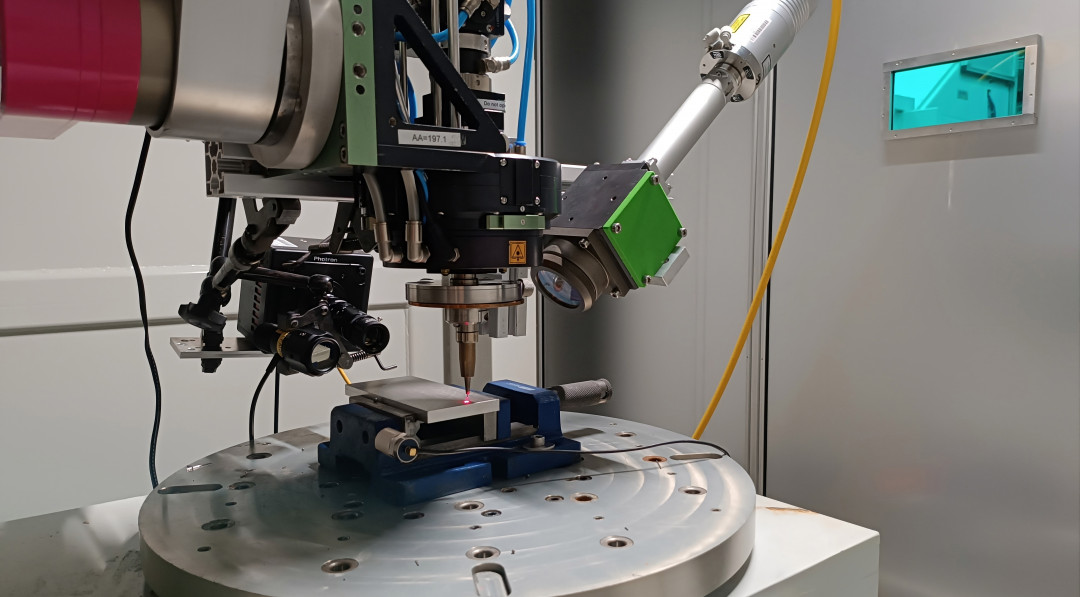
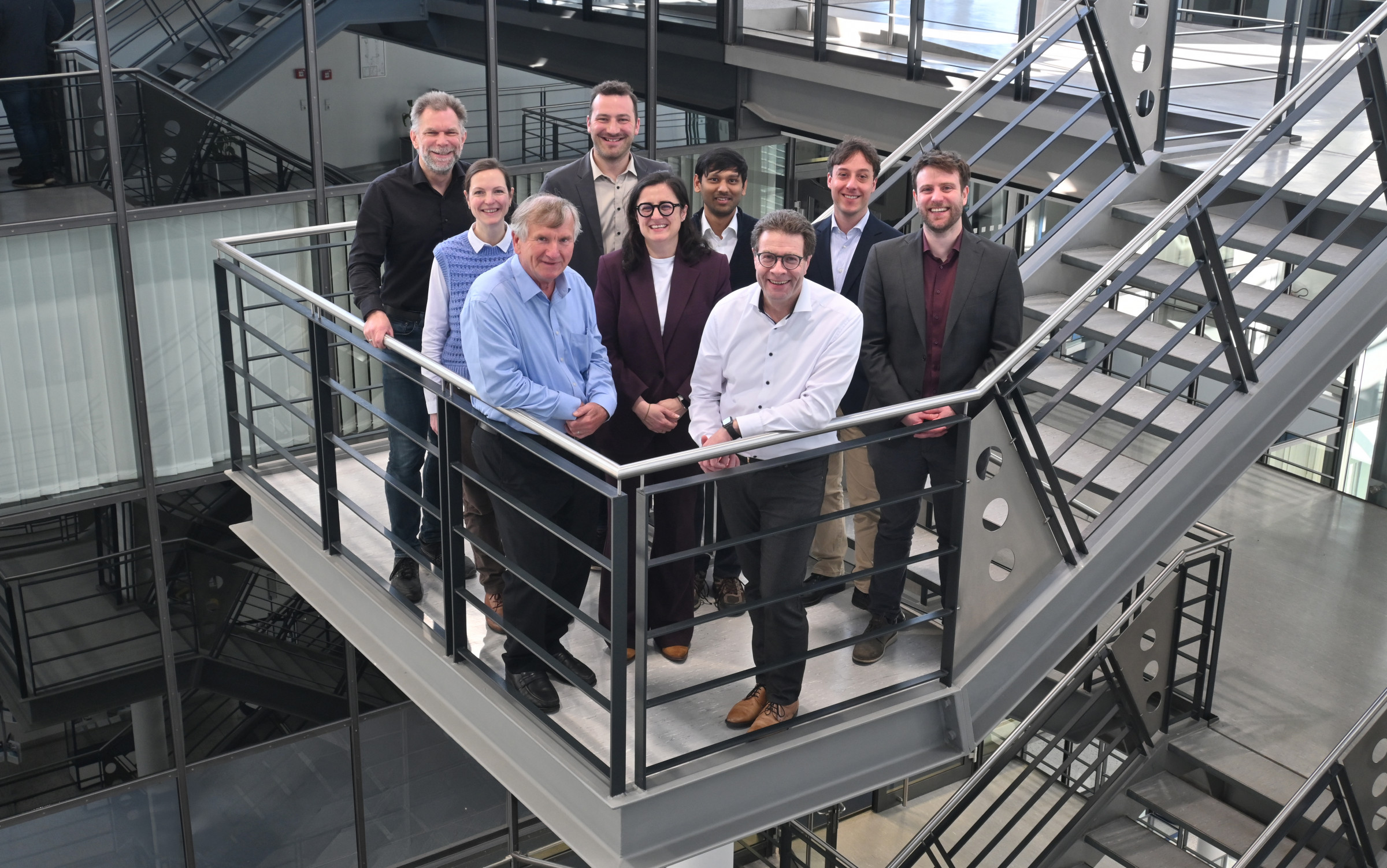
Ultragrain controls the grain structure of metallic components directly within the additive process. The international ICON research project of the Fraunhofer-Gesellschaft, conducted with Australian partners, has shown that microstructures can be adjusted locally and in a targeted manner during laser-based metal deposition. The project involved Fraunhofer Institute for Material and Beam Technology IWS, Fraunhofer Institute for Additive Manufacturing Technologies IAPT, and RMIT University in Melbourne. Funded through the Fraunhofer ICON programme and by Australian partners, the consortium developed a scalable approach for industrial applications. The project concluded on February 25, 2026, with a final partner meeting in Dresden.
At the heart of Ultragrain lay a central question in additive manufacturing: How can components be produced so that their internal structure matches the intended function? The project demonstrates a practical path to no longer leaving microstructures to the process itself but instead defining them precisely where strength, service life or load-bearing capacity matter most. For industrial users, this opens new degrees of freedom in the design of additively manufactured metal components. Professor Christoph Leyens, Director of Fraunhofer IWS, explains: “Ultragrain shows how Fraunhofer IWS develops new manufacturing technologies consistently from concept to industrial application. The results offer significant scientific insight and provide an excellent foundation for future industrial transfer.”
A step change in process control
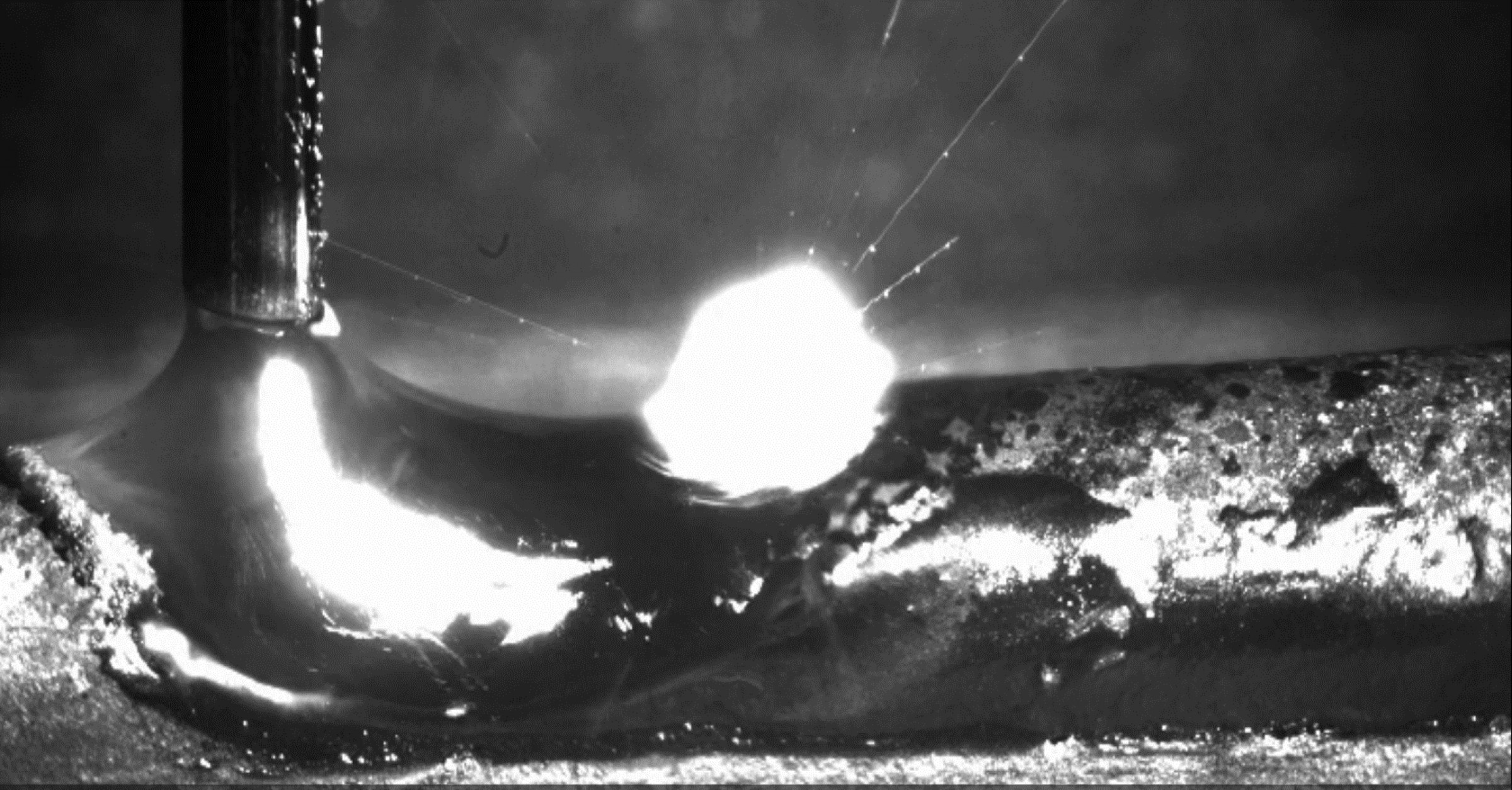
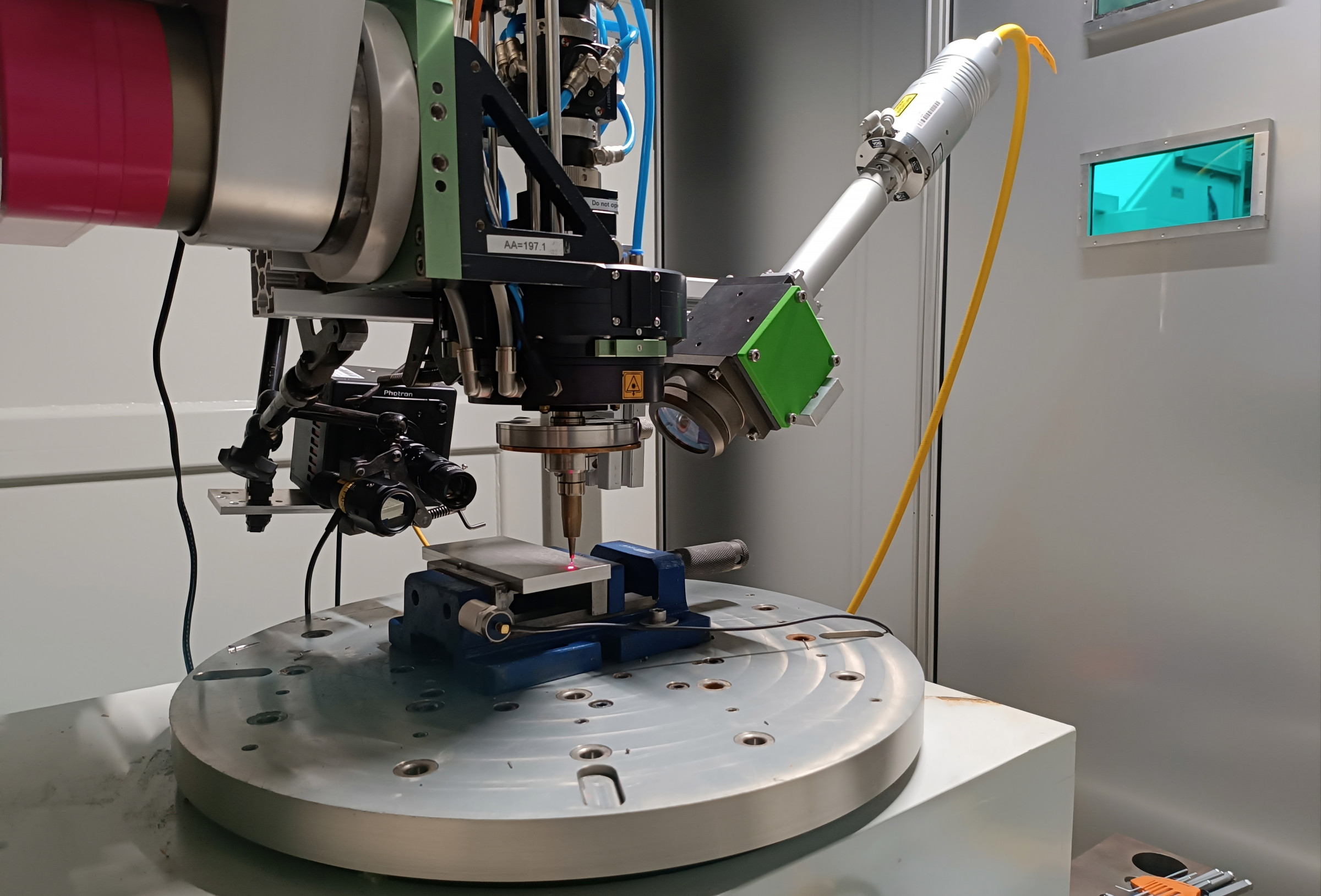
Ultragrain first used ultrasound to influence grain formation, then shifted to pulsed-laser excitation. This method operates without contact, works with any geometry and suits industrial environments. Pulsed laser-induced direct melt-pool excitation can be integrated into existing systems for laser-based directed energy deposition (DED-LB).
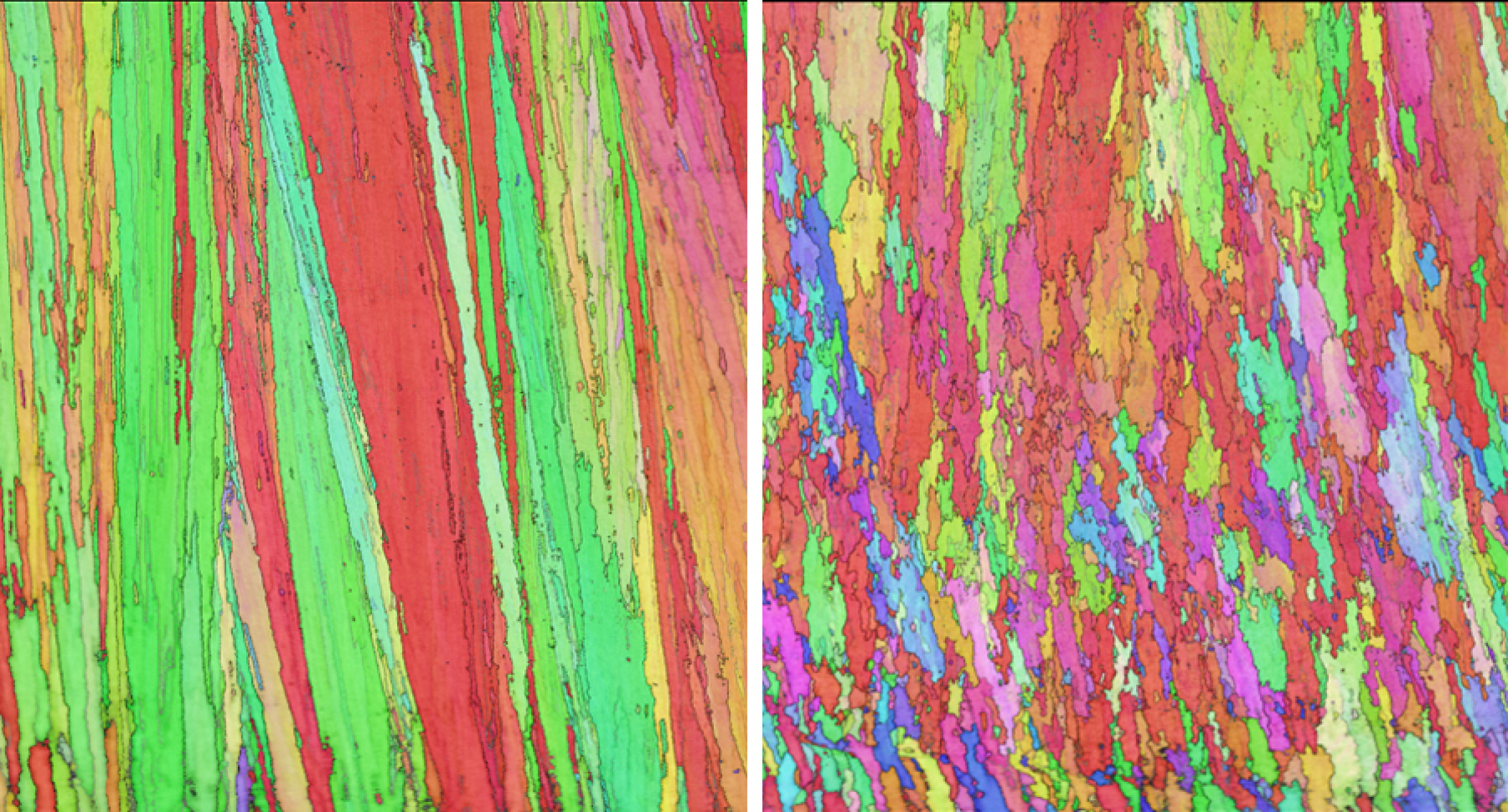
It scales far better than conventional ultrasonic methods and remains stable even for complex geometries. In demonstrator components, the project achieved a reduction in the size of up to 75 %. This capability enables, for the first time, the direct creation of microstructurally and functionally optimized zones during the manufacturing process. “We deliberately chose a solution that works in industry,” explains Jacob-Florian Mätje, main contact for the project and research assistant at Fraunhofer IWS. “Laser-based excitation allows us to set microstructures precisely where they make a real difference to component performance.”
Added value through an integrated competence chain
A key distinguishing feature of Ultragrain lies in the close integration of laser processing, simulation, design methodology and materials development. Fraunhofer IWS integrated pulsed laser-induced melt pool excitation into real DED-LB systems and validated the technology under industry-relevant conditions. Fraunhofer IAPT developed methods for segmentation, path planning and parameter assignment for components with locally varying microstructures. RMIT University complemented the project with multiscale modeling, simulation-based process design and optimization concepts in the sense of integrated computational materials engineering. Dr. Andrey Molotnikov, Professor and Director of the Centre for Additive Manufacturing at RMIT University, emphasizes: “Active collaboration among the project partners was a key highlight of the ICON project.” Ultragrain connects digital models and real manufacturing into a continuous approach. The close coupling of simulation-based process design and additive manufacturing accelerates transfer into industrial applications and strengthens international collaboration in advanced manufacturing.
Practical relevance for industry and research
Ultragrains’s results are relevant for industries that demand high mechanical performance and long component service life. These include mechanical engineering, aerospace, energy technology, turbomachinery, automotive manufacturing and tool and mold making. Companies benefit from components whose microstructure aligns precisely with load and function. This approach reduces material use, extends service life and improves the overall property profile of the component. Ultragrainj has demonstrated that the build process can enable precise adjustment of this microstructure.
International collaboration with strategic impact
The project partners presented Ultragrain’s results at international conferences and trade fairs. The collaboration extends beyond the project itself. In December 2025, the institute director of Fraunhofer IWS signed memoranda of understanding with RMIT University and Swinburne University of Technology in Melbourne to prepare transfer activities and follow-up projects. These agreements strengthen long-term international innovation structures in advanced manufacturing.
(Source: Fraunhofer IWS)
Schlagworte
Additive ManufuringAerospaceAutomotiveDED-LBDirected Energy DepositionEnergyLaser BeamLaser-based Directed Energy DepositionMetalMicrostructures