
17.04.2026
International
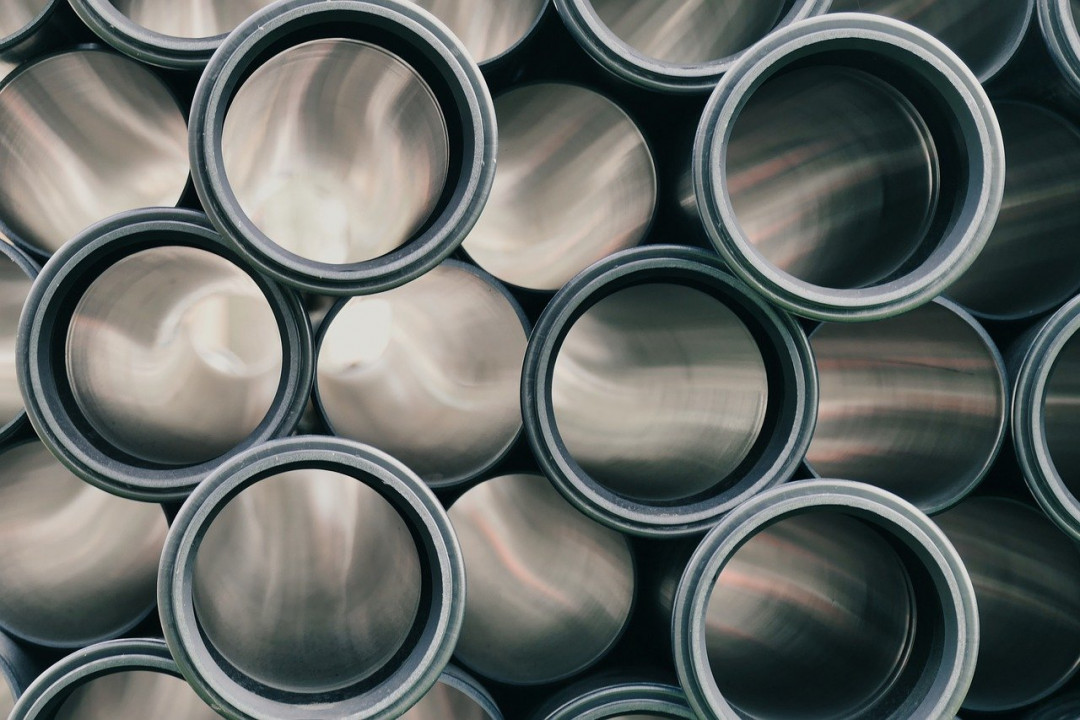
TWI is launching a new Joint Industry programme (JIP) project to evaluate and qualify the use of ultrasonic NDT systems to assess butt fusion joints in polyethylene (PE) pipes. The industrial interest and use of ultrasonic non-destructive testing (NDT) of butt fusion (BF) joints in polyethylene (PE) pipes is rapidly gaining momentum, due to the publication of the ISO Technical Specifications ISO/TS 22499 and ISO/TS 24399 and the increasing number of companies providing such a service.
However, the use of ultrasonic testing for PE pipes is different from the inspection of metallic pipe joints. The ultrasonic signal attenuation is far greater with PE than with metals. This is because the velocity of the ultrasound is much slower and the types of flaws are very different to those found in metal joints.
As a result, the ultrasonic NDT systems used for metallic pipe welds are not suitable for use with PE pipes. Furthermore, the procedure for qualifying NDT procedures in ISO/TS 22499 and ISO/TS 24399 is expensive, involving making 21 BF joints for each of four pipe wall thicknesses ranges. Five of these joints should contain no flaws and are used by the NDT provider to set up their equipment and procedures, while the remaining 16 joints are used for blind inspections. Of these, eight contain no flaws, two contain embedded lack of fusion flaws and six contain fine particulate contamination.
The production of these joints is expensive, which makes it cost-ineffective for individual companies to produce such a set of joints, especially if they need to cover the whole pipe wall thickness range from 8-100 mm, which would require the manufacture of 84 joints. It is therefore more efficient for there to be a central library of flawed joints that companies can borrow as and when they need.
The new JIP project, Production of Flawed Butt Fusion Joints in PE Pipes for the Evaluation and Qualification of Ultrasonic NDT Systems, will produce a library of flawed BF joints in PE pipes, according to the procedures given in ISO/TS 22499 and ISO/TS 24399.
(Source: TWI – The Welding Institue)
Schlagworte
Joining PlasticsJPNDTPEPlastic PipesPlasticsPolymersUltrasonic Welding