
29.11.2025
International
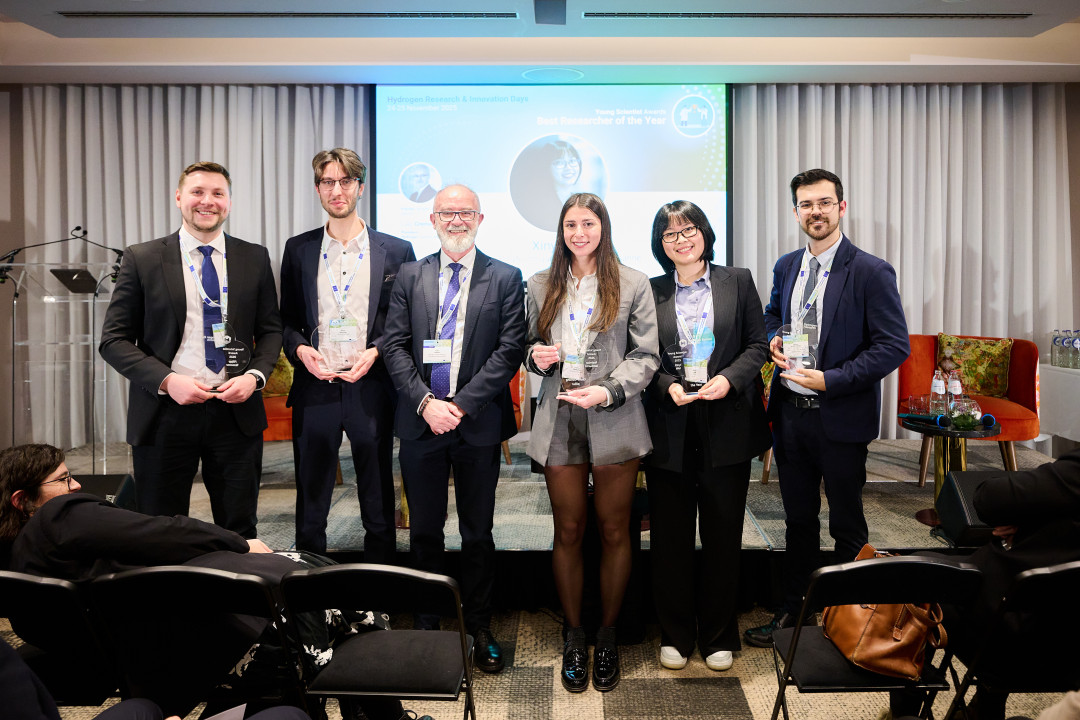
The Young Scientist Award is an annual competition organised by Hydrogen Europe Research since 2018. Its main objectives are: reward and give visibility to the work of students, PhDs, postdocs and young researchers, working in the field of hydrogen, to encourage their involvement in Clean Hydrogen Partnership projects and to attract young talents to work in the field of hydrogen and the fuel cells sector.
Meet the 2025 winners
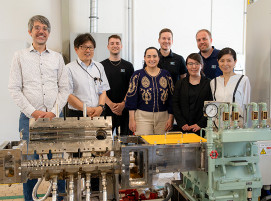
Filipp Temerov, University of Oulu, Finland, winner in the “Hydrogen production" category.
Research summary: The research advances innovation in solar-to-hydrogen production through scalable printed photocatalytic panel reactors designed for cold-climate and decentralised applications. Its interdisciplinary work integrates semiconductor nanomaterials, systems engineering and techno-economic validation, and is part of the H2BRIDGE project, which supports the development of affordable and resilient green hydrogen solutions.
Statement: “This award reflects more than a personal milestone; it represents a shared belief that innovation, inclusivity, collaboration and sustainability must go hand in hand. Developing solar hydrogen technologies in the North has shown me how science can empower remote communities, transforming climate challenges into opportunities for growth and collective resilience. I hope it inspires young researchers to see hydrogen not just as a fuel, but as a bridge between technology, sustainability and people.”

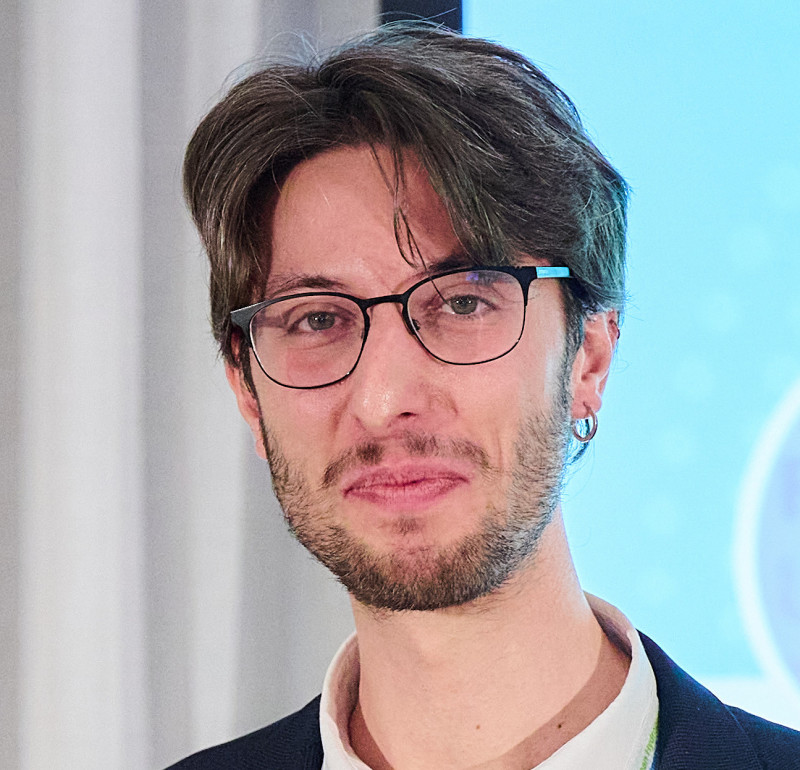
Marco Maggini - University of Tuscia, Italy, winner in the “Hydrogen storage and distribution” category.
Research summary: The research advances solid-state hydrogen storage using hybrid metal hydride–phase change material (MH-PCM) systems for fast cycling and compact design. It combines multi-physics modelling and
prototype development to optimize heat management, achieving major gains in efficiency and cycle time. The project contributes to the next-generation storage for modular refuelling and stationary applications. Statement: “This award comes just days before the defence of my PhD, marking a meaningful conclusion to this journey. I think I truly needed it- it feels like both encouragement to move forward and a solid recognition of the ideas and efforts of the research group I am part of. If I could talk to
my past self, I’d tell him: it’s all worth it.”
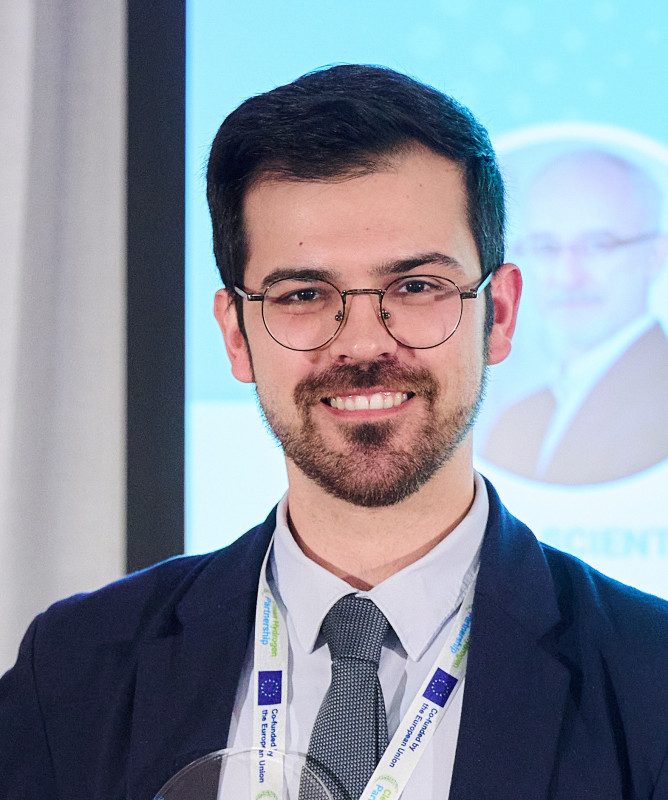
Marcos López Juárez, UPV - Universitat Politècnica de Valencia – CMT-Motores Térmicos, winner in the “Hydrogen usages” category.
Research summary: The research improves fuel cell powertrain efficiency, durability, and emissions through integrated modelling, degradation analysis, and real-world testing. It leads hydrogen mobility innovation across land and air transport in major EU and industrial programs. His tools support performance optimisation, policy evaluation,
and climate-aligned deployment of fuel cell technologies.
Statement: “The road towards a sustainable society has never been easy. That is why, since I started working on how to make hydrogen propulsion systems efficient and durable, I knew I was embarking on a long journey, but with extremely positive long-term benefits for generations to come. Recognitions such as the Young Scientist Award of Hydrogen Europe Research help researchers feel the support of the scientific community and keep alive the spark of effort.”
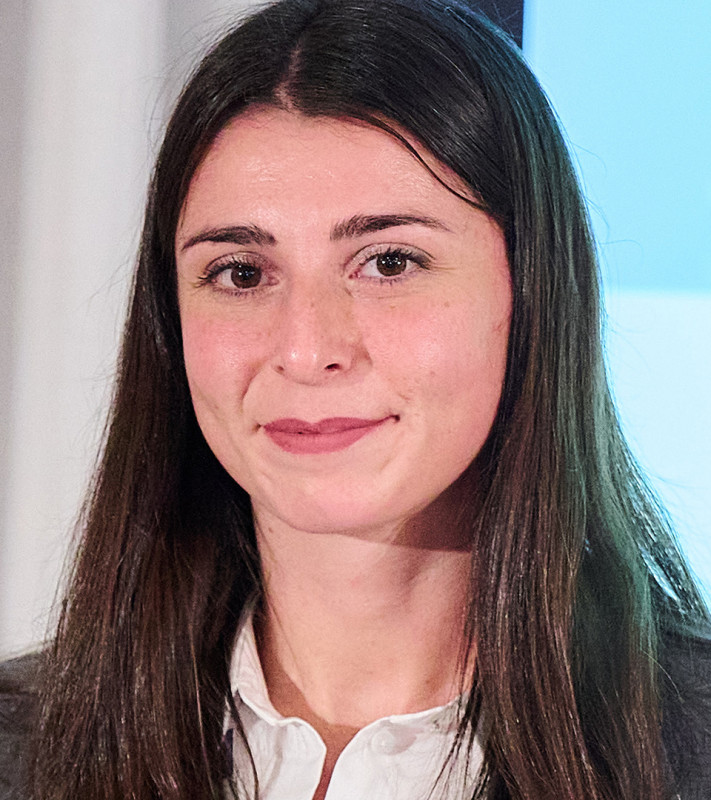
Federica Tamburini, Alma Mater Studiorum - University of Bologna, Italy, winner in the “Hydrogen cross-cutting activities” category.
Research summary: The research advances hydrogen safety through large-scale experimentation and risk modelling for liquid hydrogen and blue hydrogen systems. It develops probabilistic and resilience-based assessment methods to reduce hazards in cryogenic storage, bunkering and infrastructure design. Her work informs standards and accelerates safe hydrogen. Statement: "Ensuring safety in hydrogen technologies is key to building trust and accelerating the energy transition. This award reinforces my belief that innovation and safety must go hand in hand
to achieve a clean, low-carbon future for all."
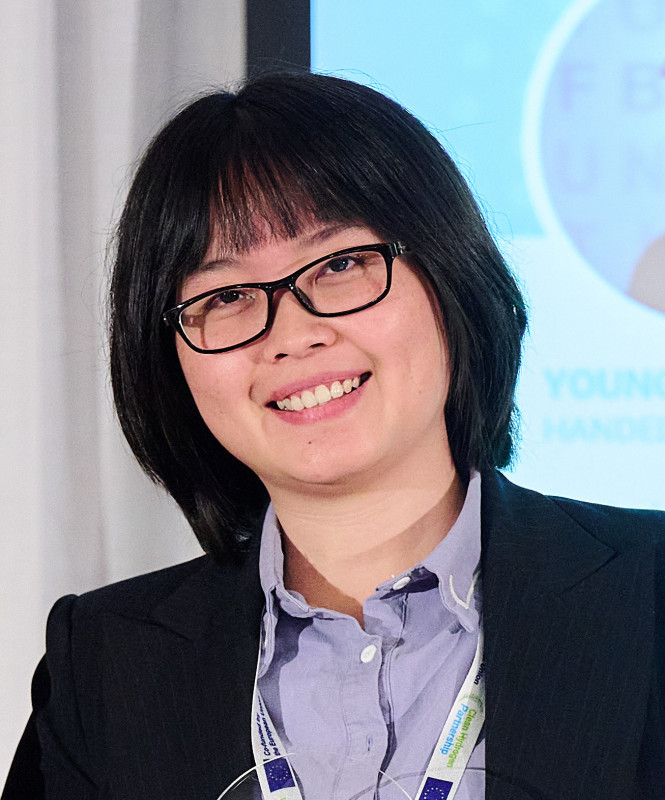
Xinyi Wei, École polytechnique fédérale de Lausanne (EPFL), Switzerland, winner in the ”Best Researcher of the Year” category.
Research summary: The research develops advanced life cycle and techno-economic assessment models for hydrogen technologies including fuel cells and solid oxide electrolyzer systems. Her work optimizes efficiency, environmental performance, and industrial scalability of
hydrogen value chains. Contributions span EU-funded projects, improving system-level sustainability and techno-economic feasibility. Statement: “My PhD journey has been shaped by a series of EU-funded Clean Hydrogen
Partnership projects, whose diversity and ambition truly define the clean energy pathway of the future. These collaborations made it possible to bridge academic research with industrial practice, turning scientific insights into actionable, real-world solutions that accelerate our transition toward a sustainable energy system.”
(Source: Hydrogen Europe Research)
Schlagworte
AwardHydrogenResearchScienceScientist