
03.06.2024
International
Laser Technology for Lighter Flying
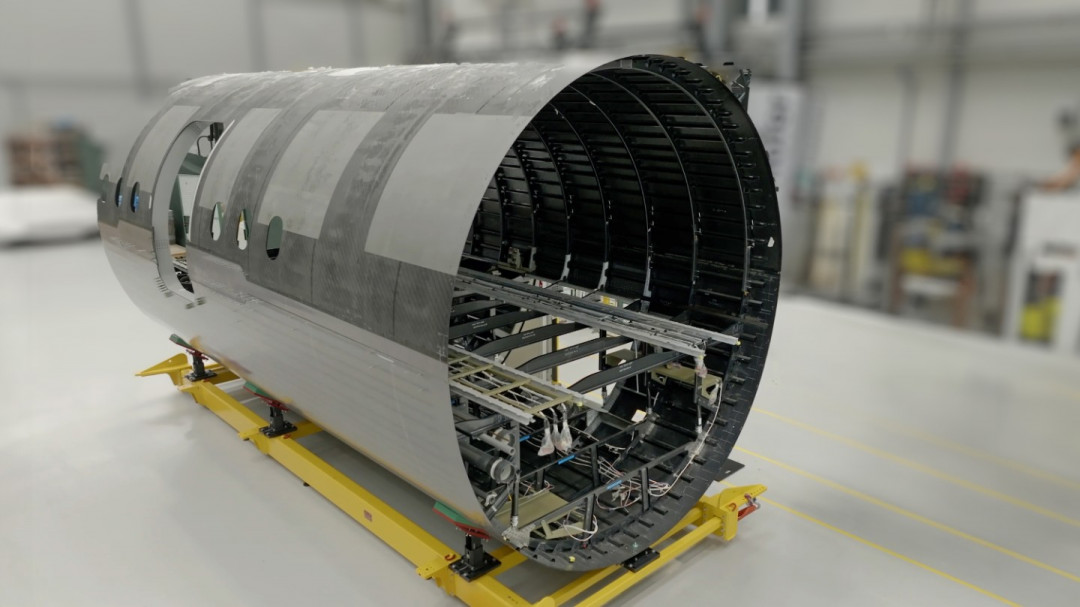
The Fraunhofer Institute for Material and Beam Technology IWS has achieved decisive progress towards new ecological aircraft construction concepts. Within the EU programm Clean Sky 2 in the project “Multifunctional Fuselage Demonstrator” (MFFD), a team of researchers in Dresden provided proof of concept for the chipless joining of carbon fiber-reinforced thermoplastic component structures. The automated process approach developed joined the upper and lower halves of the world's largest CFRTP aircraft fuselage segment. In addition to saving on labor, for instance when drilling and riveting, the novel construction method and the CONTIjoin process enable massive reduction in weight, material and time. As a result, the production of future commercial aircraft should become faster, more eco-friendly and competitive. The researchers present their results and the system technology at the International Aerospace Exhibition ILA 2024 in Berlin.
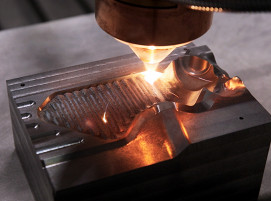
An international consortium led by AIRBUS is researching production technologies for the thermoplastic fuselage of tomorrow. In the “Large Passenger Aircraft” (LPA) framework program within the MFFD project, the team led by Dr. Maurice Langer, Group Manager Bonding and Fiber Composite Technology at Fraunhofer IWS, used a CO2 laser beam source to demonstrate the welding of long joining seams on large-volume thermoplastic aircraft fiber composite structures outside of an autoclave for the first time in the world. On the left side of the MFFD, the process approach developed at Fraunhofer IWS produced the final longitudinal seam joint between the upper and lower fuselage halves of an eight by four meter section of the aircraft fuselage segment made of “Carbon Fiber Reinforced Thermo-Plastics” (CFRTP) – in full scale. The so-called CONTIjoin process, a combination of CO2 laser technology and highly dynamic beam shaping, controlled the laser power in real time to keep the temperature in the joining zone constant. At the same time, it enabled the automated adjustment of the beam shape in the welding gap.
Weight Savings
The innovative technology avoids the use of mechanical joining elements and material doubling as with classic riveted overlap joints. Therefore, the hull shell made of welded, thermoplastic composite material weighs significantly less than conventional sections. This marks an important step in aircraft construction using new types of thermoplastic high-performance materials, as it enables the production of high-strength and weldable large components. The challenge involved processing materials such as PAEK, a plastic with a comparatively high heat deflection temperature and heat resistance. “Conventional manufacturing processes for these materials are often energy-intensive and costly,” explains Dr. Langer. “Together with our project partner AIRBUS, we developed a process approach that allows us to join components outside the autoclave using a stepped shaft technology, while at the same time achieving excellent strength properties for this composite.” Conventional processes are limited in this respect, especially concerning high production rates and large-volume aerospace component structures. Dr. Langer emphasizes: “New material classes require innovative production methods. The declared goal of the Multifunctional Fuselage Demonstrator was to reduce the weight of the fuselage by up to one ton.” Over the operating life of the aircraft, the lower weight and improved integration of the system architecture could significantly reduce overall energy requirements, fuel consumption and emissions of air pollutants such as carbon dioxide and nitrogen oxides. “With the CONTIjoin process developed at Fraunhofer IWS, we have succeeded in taking an important economic and ecological step for future aircraft development and related applications,” highlights Dr. Maurice Langer.
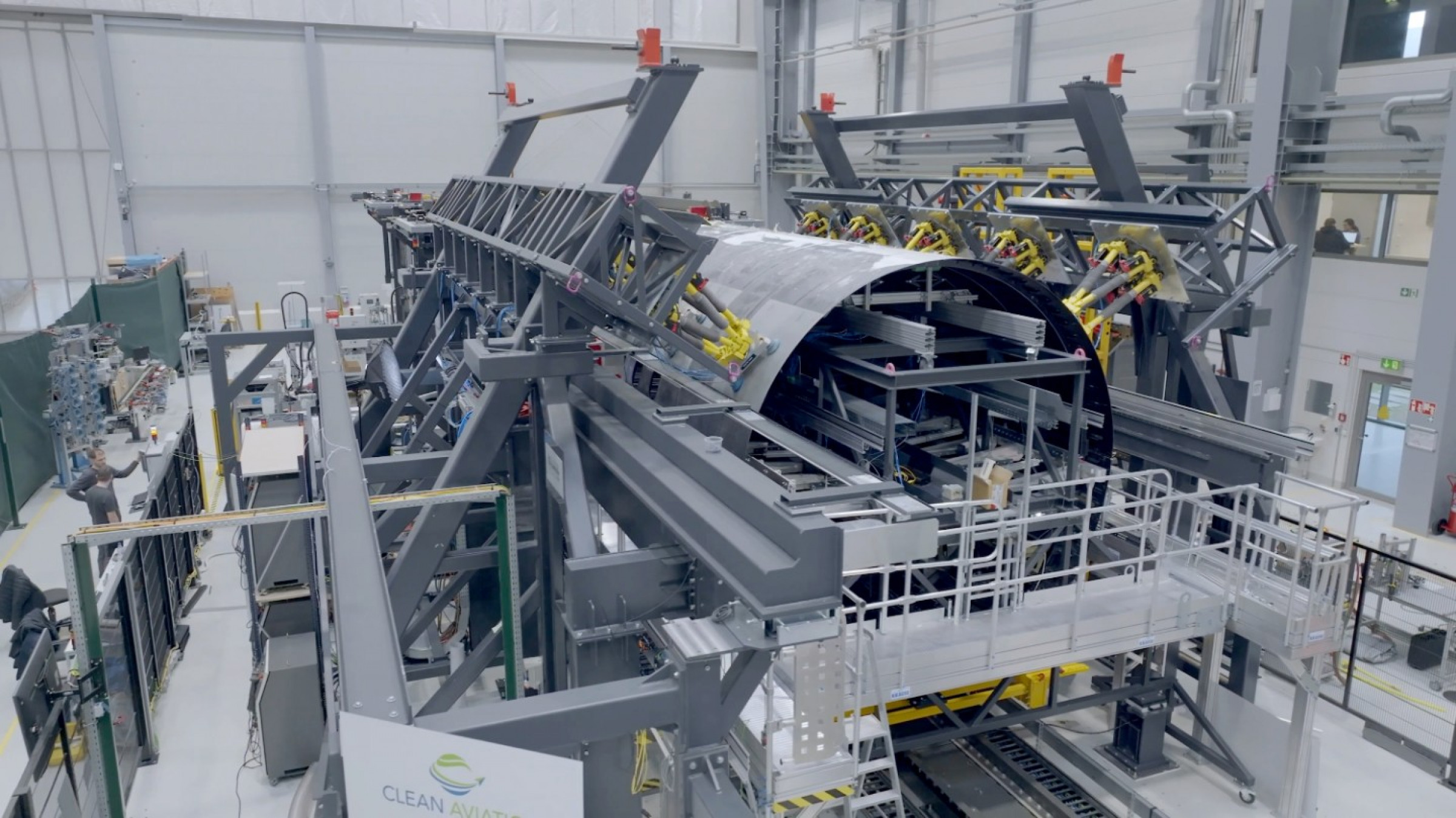
Laser-welded Aircraft Half Shells
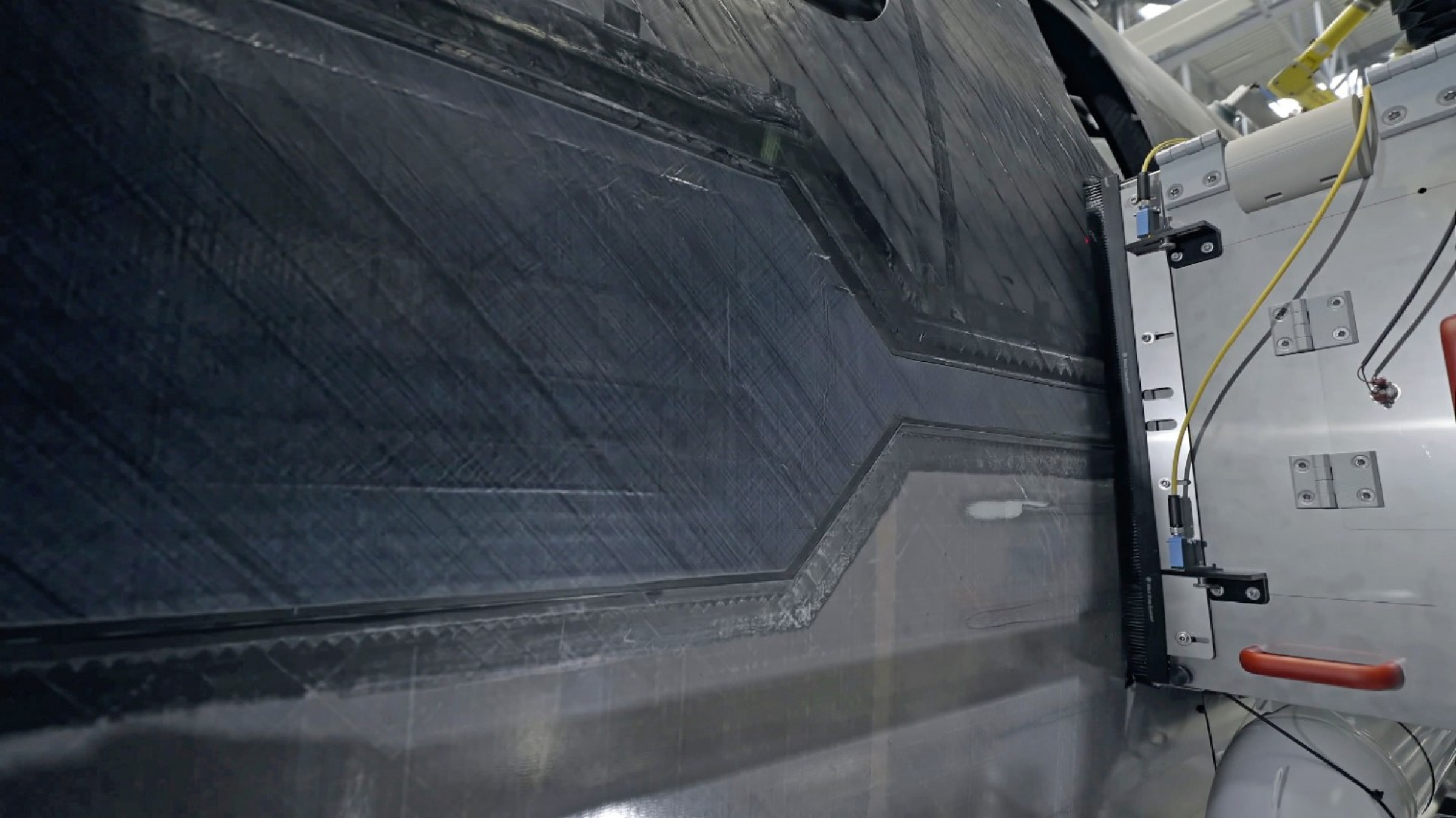
The team's key to success was to join the upper and lower shells of the aircraft body step by step by continuously placing several laminate straps on top of each other. Increasingly wider with each work step from 60 to 360 millimeters, the straps were automatically placed in a stepped geometry on the surfaces of the half-shells. The resulting overlap joints restore the initially interrupted force flow of the fiber composite material between the half-shells and form a reliable load-transferring joint. “Another special feature of this process is the wavelength of the CO2 laser system used,” adds Dr. Langer. The CONTIjoin process offers the unique advantage that the wavelength of 10.6 micrometers in the relevant thermoplastic part of the fiber composite material provides a significantly higher absorption of the laser radiation than the conventionally used fiber lasers with 1.06 micrometers. “As a result, we can reduce the required energy at the interfaces between the individual components to a minimum and completely eliminate typical following process steps."
Fraunhofer IWS Technologies Drive the Difference
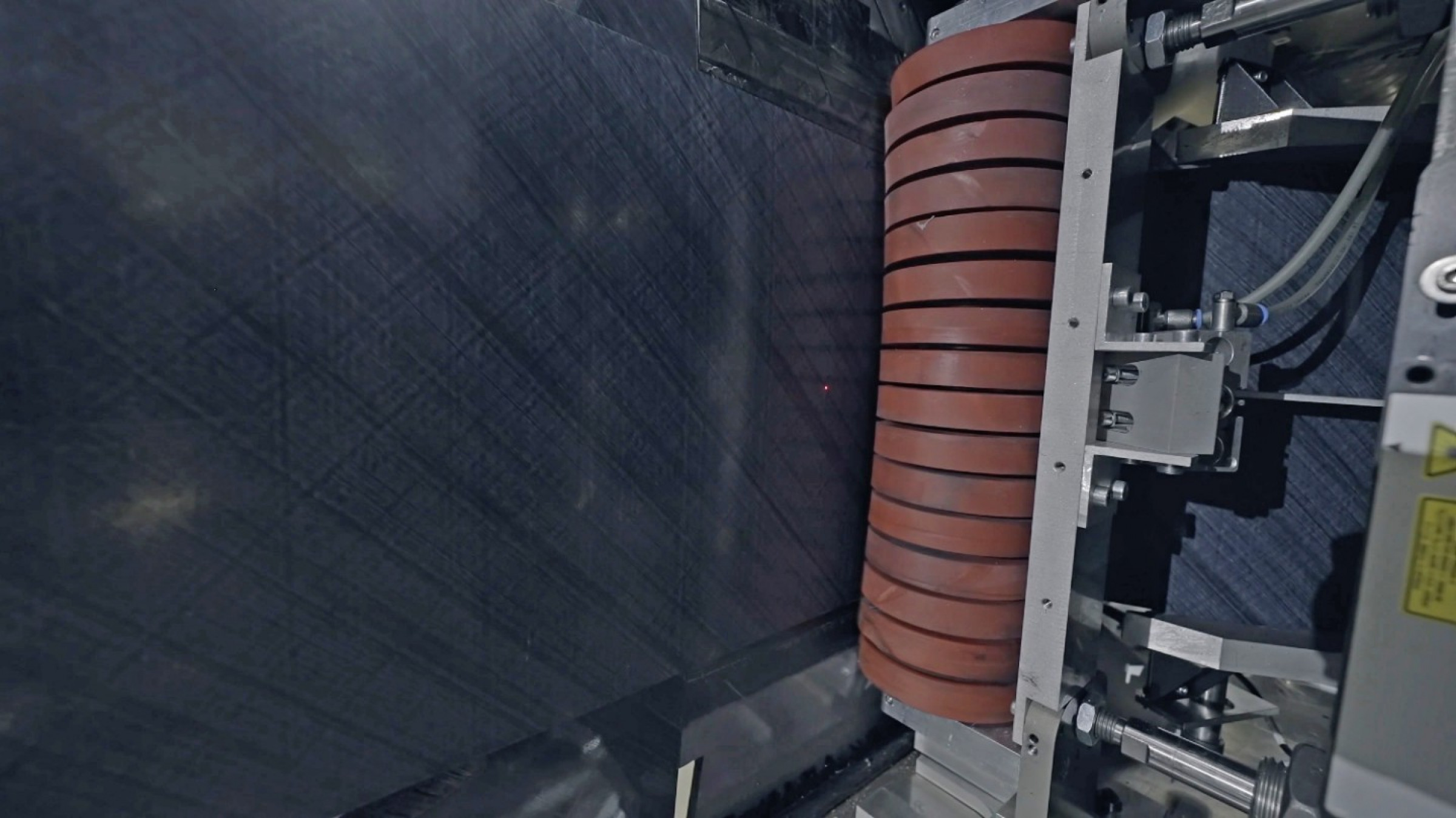
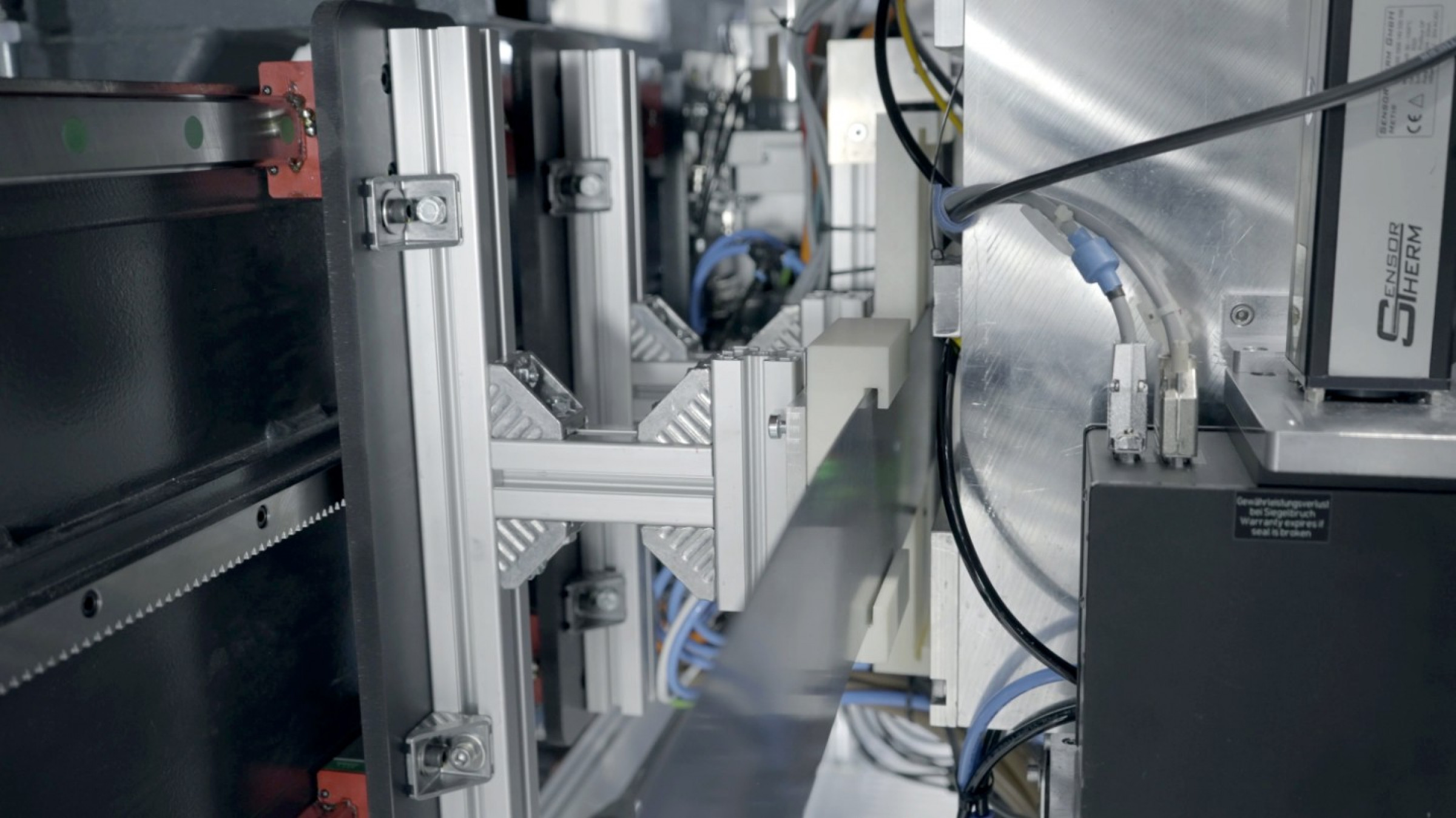
Another essential technology component is the “ESL2-100 module”, developed in-house at the Dresden institute. “This enables us to process a wide variety of sensor signals and implement corresponding control algorithms derived from them,” explains Peter Rauscher, Group Manager High-Speed Laser Processing at Fraunhofer IWS. “This allows to monitor and adaptively control the welding process in real time and would not be possible with conventional control electronics. For example, in addition to controlling the welding temperature along the welding gap, we are also able to consider the position, width and curvature of the aircraft half-shells.” The setup also consisted of two interacting movement units, the so-called end effectors. The straphandling end effector's task was to precisely guide the applied laminate during continuous deposition and to press it against the aircraft half-shells in a contour-true, width-dependent manner. The second end effector ensured laser beam guidance and pyrometric recording of the temperature in the joining zone. Each end effector moved synchronously with the other on its own linear axis system so as to decouple the transmission of possible vibrations or deformations caused by the pressing of the laminate strips from the laser system's optical beam guidance. The conceptual development and implementation of the entire system and control system, including the human-machine interface, were based on a proprietary development, while commercially available industrial components were used for the other system components such as the laser beam source, pyrometer and X-Y scanners.
Next Steps: Increase Technological Readiness and Expand Application Areas
The technology development, scaling and application of the process were successfully demonstrated using large structures made of thermoplastic fiber composite material such as the MFFD. The next step is to increase the Technology Readiness Level (TRL) and get closer towards qualifying for aviation suitability. Dr. Langer explains: “The CONTIjoin technology developed is attractive for aircraft construction and other industries. In addition to aviation, the solution could also be interesting for applications in shipbuilding, truck and trailer construction as well as in rail transport or in advanced development of modern wind turbines.”
(Source: Fraunhofer IWS Press Release)
Schlagworte
AviationChip TechnologyComposites