11.11.2026
Unternehmen
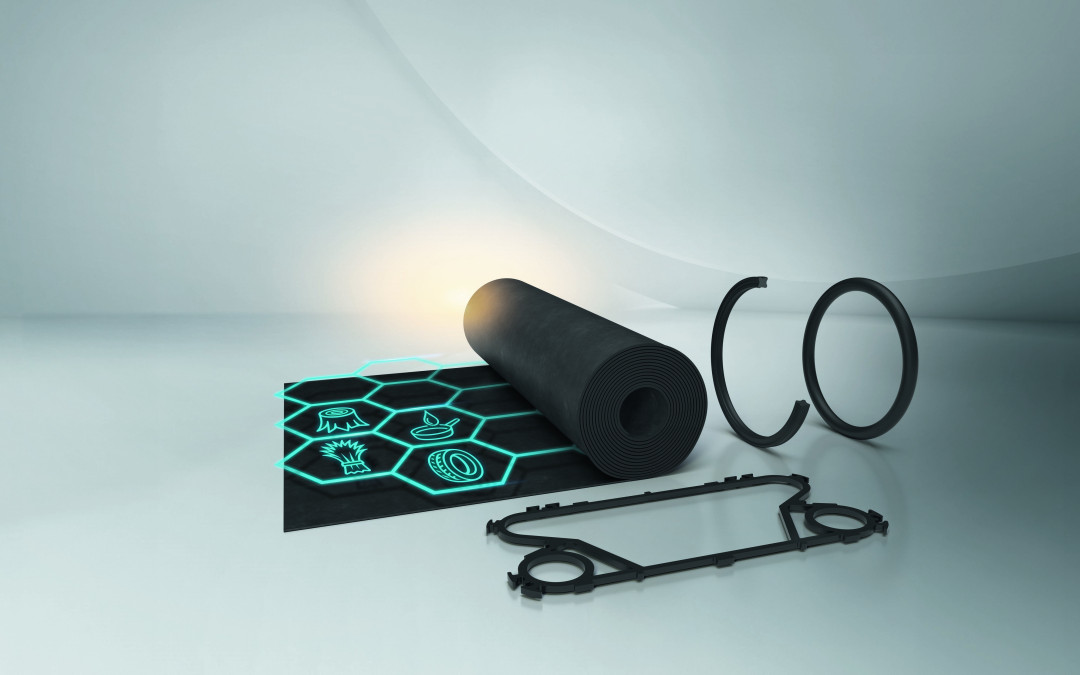
DEKRA, an internationally recognised certifying authority, has independently verified the Trelleborg Sealing Solutions methodology for calculating product carbon footprints (PCFs). The critical review confirms that the approach meets internationally recognised requirements for calculating cradle-to-gate climate impacts, providing Trelleborg customers with a trusted basis for transparent environmental product data.
First employed to demonstrate that new Reduced Carbon Footprint EPDMs from Trelleborg can deliver up to 55 % lower PCFs (Calculation based on RCF EPDM E8T12 PHE gasket molded in Czechowice, Poland) compared to traditional EPDMs, the methodology can now be deployed by Trelleborg to evidence the carbon-saving benefits of future material innovations. Dr. Konrad Saur, VP Innovation & Strategic Business Development, says: “Transparency is the foundation of responsible environmental decision-making. By combining cross-functional expertise, robust data and an independently verified methodology, we are well positioned to help customers understand the carbon footprint of their products. Reliable environmental data is becoming increasingly important for both our product development and sustainability management, and our customers increasingly seek third-party assurance that our methodology is scientifically sound and aligned with international standards. Understanding the carbon impact of materials and products is essential for identifying improvement opportunities, evaluating alternative material concepts and measuring progress over time.”
Through an independent critical review of our Life Cycle Assessment (LCA) and PCF methodology and tools, DEKRA confirmed that they meet the relevant requirements of ISO 14040, ISO 14044 and ISO 14067 for calculating cradle-to-gate results. The review was conducted in accordance with these standards and ISO 14071. The methodology provides a true cradle-to-gate analysis, covering the lifecycle stages from raw material extraction to the point where a product leaves our manufacturing facilities. It includes Scope 3 upstream emissions, such as raw materials, supplier emissions and transportation, as well as Scope 1 and Scope 2 emissions generated at Trelleborg Sealing Solutions production sites. This provides a consistent view of where emissions originate and where improvements can have the greatest impact.
The verification is the culmination of a wide collaboration across Trelleborg encompassing R&D, manufacturing, IT and sustainability experts. During the initial setup of the LCA software platform and the establishment of the methodological framework, Trelleborg was supported by Sphera Solutions. Building on this foundation, Trelleborg developed and refined the methodology, structured the required data and implemented the calculation framework. The methodology subsequently underwent an independent critical review and verification by DEKRA. Currently the verified methodology will be applied for selected materials and products.
Dr. Jekaterina Miller, the Project Manager who was instrumental in the initiative, said: “This is a technical milestone to be proud of but one with critical practical applications. Independent verification of our methodology strengthens the reliability and transparency of our carbon footprint calculations. It also provides us with a valuable tool to assess material innovations and identify opportunities to reduce greenhouse gas emissions.”
(Source: Trelleborg)
Schlagworte
AerospaceCarbon FootprintClimateJoining PlasticsJPLCALife Cycle AssessmentNetZeroPlasticsPolymersR&DSealingSustainability