
International
© Daniel Viol
26.01.2026

Workshop: Laser Processing of Non-Metals – From Fundamentals to Applications

In the early days of laser technology, engineers first cut plastics with lasers for industrial use. Although laser processing of metallic materials dominates today, applications with non-metals are gaining ground. Their versatility enables efficient, precise and innovative solutions for materials that were once considered challenging to handle with conventional methods.

This workshop (March 18 and 19, 2026 in Dresden, Germany) opens with a keynote providing an overview of current trends and innovations in the field of polymers and non-metals. Following this introduction, researchers from Fraunhofer IWS, along with external speakers from science and industry share their latest findings. They explore laser applications ranging from aerospace, plant engineering and automotive to the construction sector, offering insights into how lasers advance non-metal materials.

Lunch-to-lunch workshop in Dresden, Germany

Alongside the lectures, attendees are invited to join discussions and build networks, including an informal evening event on the first day. A guided lab tour at Fraunhofer IWS completes the program: experts guide through selected laboratories and systems and demonstrate state-of-the-art laser technologies in action.

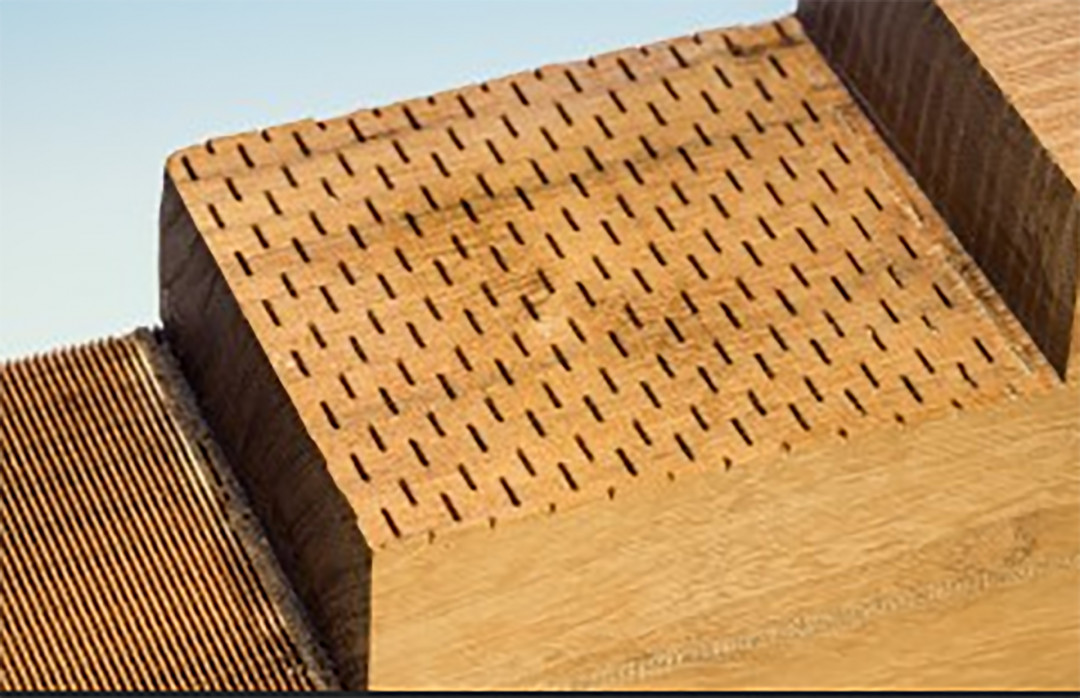
Over the course of the workshop, insights into the broad spectrum of laser processing for non-metals will be showcased. Presentations highlight wood and glass processing, cutting of fiber-reinforced materials and airbags and pioneering approaches such as polymer 3D-printing with lasers or direct joining of plastic-metal hybrid structures. This workshop offers a unique opportunity to explore the latest research, exchange ideas with experts and see how laser technologies push the boundaries of material processing. Registration is open until March 6, 2026.

More information and registration

(Source: Fraunhofer IWS)

Schlagworte

3D-PrintingCuttingFraunhofer IWSJoiningLaserLaser ProcessingLecturesMaterialsNon-MetalsPlastic-metal hybrid structuresPolymersScienceWorkshop

Verwandte Artikel

16.08.2026

Global PHA and PEF Production Capacity Could Approach Two Million Tonnes by 2036

Polyhydroxyalkanoates (PHAs) and polyethylene furanoate (PEF) are emerging bioplastics with potential applications in packaging, textiles and medical products. According...

Bioplastics Biopolymers CERN Market Growth Polyethylen Polyethylene Polyethylene Furanoate Polyhydroxyalkanoates Polylactic Acid Polymers
Read more
14.08.2026

IMTS 2026: Prima Power Presents Laser Processing Technologies

Prima Power will present its Laserdyne laser processing technologies at IMTS 2026, taking place from 14 to 19 September at McCormick Place in Chicago. The company will ex...

Applications Cutting DIN Laser Material Processing Technologies Welding
Read more
11.08.2026

Aluminiumkennzeichnung für rückverfolgbare Produktionsprozesse

REA Elektronik zeigt auf der Aluminium 2026 Systeme zur industriellen Kennzeichnung und Codeprüfung. Im Mittelpunkt stehen Lösungen für Profile, Barren, Bleche, Coils und...

Aluminiumbau Aluminiumbauteile Aluminiumprofile Aluminiumverarbeitung Automatisierung Automobilindustrie Faserlaser Halbzeuge Laser PPE Produktionsprozess Werkstoffe
Mehr erfahren
09.08.2026

Fakuma 2026. The World of Plastics Meets at Lake Constance

The 30th Fakuma international trade fair for plastics processing will take place in Friedrichshafen, Germany, from October 12 through 16, 2026.

Circular Economy Circularity Event FAKUMA Injection Moulding Joining Plastics Plastics Polymers PVC PVC-U Recycling Trade Fair
Read more
07.08.2026

Mechanische Nachbehandlung erhöht Ermüdungsfestigkeit additiv gefertigter Metallbauteile

Das Fraunhofer-Institut für Werkstoffmechanik IWM hat eine modellgestützte Berechnungsmethode für die mechanische Oberflächennachbehandlung additiv gefertigter Metallbaut...

Additive Cold Metal Fusion FKM-Richtlinie Fraunhofer Laser Laser Powder Bed Fusion LPBF Luftfahrt Metallbau Oberflächen Powder Bed Fusion Richtlinie Werkstoffkennwerte
Mehr erfahren