
25.06.2025
International
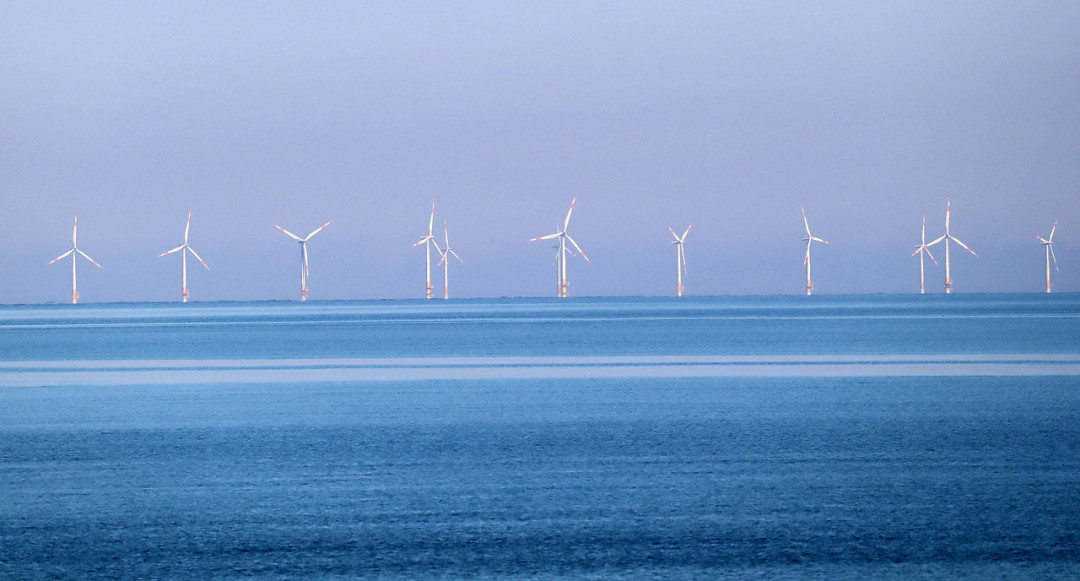
Germany and Denmark are intensifying their offshore energy partnership, focusing on cross-border projects that will accelerate the European energy transition. Current geopolitical challenges, global competition and a rapidly changing climate demonstrate the necessity of a more sustainable, secure and independent Europe. This cooperation aims to enhance security of supply, facilitate the integration of renewable energy sources such as offshore wind and hydrogen and unlock synergies in energy generation, consumption and electricity trading across borders.
Denmark and Germany share an ambition to invest in the production of energy and infrastructure in Europe for a better connection of energy systems, to create jobs in the industry and make Europe independent. The energy ministers of both partners met at the first bilateral meeting after the new German minister for Economic Affairs and Energy Katherina Reiche took office to discuss progress in offshore cooperation and to commit to a strengthened partnership on electricity and hydrogen, highlighting three areas of cooperation.
Connecting energy systems
First, the hybrid interconnector Bornholm Energy Island is an important project in realizing the ambition of better-connected energy systems. The Bornholm Energy Island represents a visionary joint project by the transmission system operators Energinet (Denmark) and 50Hertz (Germany),) which has the potential to become the world’s first multi-terminal HVDC hybrid interconnector with a total capacity of integrating 3GW of offshore wind power. The project has received EU funding under the Connecting Europe Facility (CEF).
Second, Denmark and Germany welcome the German TSO 50Hertz’s submission of the first cross-border radial project to the Ten-Year Network Development Plan (TYNDP) 2026. This project submission to the TYNDP – where Danish offshore wind is directly connected to the German grid – has received political support from both governments and underlines common interest to identify and explore the potential for further innovative and cost-effective cooperation projects.
Future-proof energy system with green hydrogen
Third, the cross-border hydrogen pipeline set to be commissioned in 2030, will become a pioneer project in the green hydrogen market and be a key component of the European hydrogen network. Denmark's production of green hydrogen will provide German companies with a reliable and competitive supply, contributing to a more resilient, independent and future-proof European energy system.
Katherina Reiche, German Minister for Economic Affairs and Energy: “We are strengthening our energy cooperation with Denmark. I see Bornholm Energy Island project at the core of the cooperation and will work continue to work closely together to ensure the project's success. At the government level, we will work together to create the necessary legal and regulatory framework to facilitate Bornholm Energy Island and other future offshore as well as hydrogen cooperation projects.”
Lars Aagaard, Danish Minister for Climate, Energy and Utilities: ”I look forward to our close cooperation with Germany on Bornholm Energy Island as well as further projects to the benefit of European energy independence such as cross-border radial projects and hydrogen projects in the North and Baltic seas. Close bilateral cooperation between us is a key to unlock the full potential of renewable energy and develop the future of cross-border offshore wind projects and German offtake of green hydrogen from Denmark”.
The strengthened partnership between Germany and Denmark is a vital example for regional cooperation and marks a significant milestone on the way to the upcoming North Sea Summit hosted by Germany in Hamburg on 26 January 2026.
(Source: Federal MInistry for Economic Affairs and Energy)
Schlagworte
EnergyEnergy TransitionEUEuropeGreen HydrogenHydrogenOffshorePartnershipTransformation