
17.04.2026
International
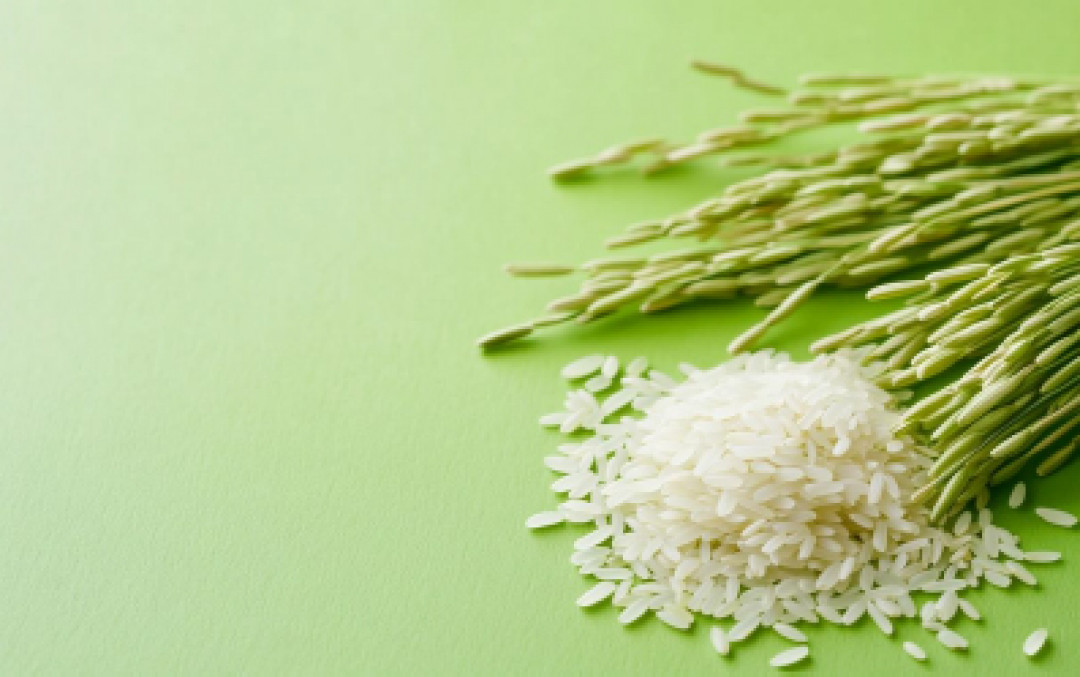
Montan waxes are extracted from lignite, a fossil fuel with a fundamental constraint: it is finite and non-renewable. Unlike natural renewable crops, such as rice plants which produce non-edible rice bran wax, lignite deposits took millions of years to form and cannot regenerate. These deposits, particularly in Germany where much montan wax originates, are actively being depleted.
This geological reality means that even without environmental regulations, lignite – and therefore montan wax – is expected to become harder to get at the right quality and quantity and one day may become simply unavailable. Beyond resource depletion, lignite processing is a strong greenhouse gas emission contributor, accelerating global warming and disrupting ecosystems, while open-cast mining could lead to deforestation and biodiversity disruption.
The market impact is already palpable. In the last couple of years, the market has already experienced montan wax supply issues due to a decline in availability, steadily driving price increases, causing inventory challenges, planning complexity and higher production costs. In addition, increasing regulatory pressure on fossil-based materials and growing demand for sustainable alternatives are accelerating the shift toward low-carbon options like rice bran wax.
Renewable alternatives
As lignite exploitation faces increasing challenges due to environmental impact of open-mining and growing regulatory pressure on fossil-based materials, Clariant's Licocare RBW Vita portfolio, derived from renewable rice bran wax, offers not just a more sustainable alternative to fossil-based montan wax with a 98 % renewable carbon index and a significantly lower carbon footprint, but also a strategic advantage through long-term availability being based on the non-edible fraction of a renewable crop.
(Source: Clariant)
Schlagworte
Joining PlasticsJPPlasticsPolymersRecyclingRenewable Sources