
17.03.2026
International
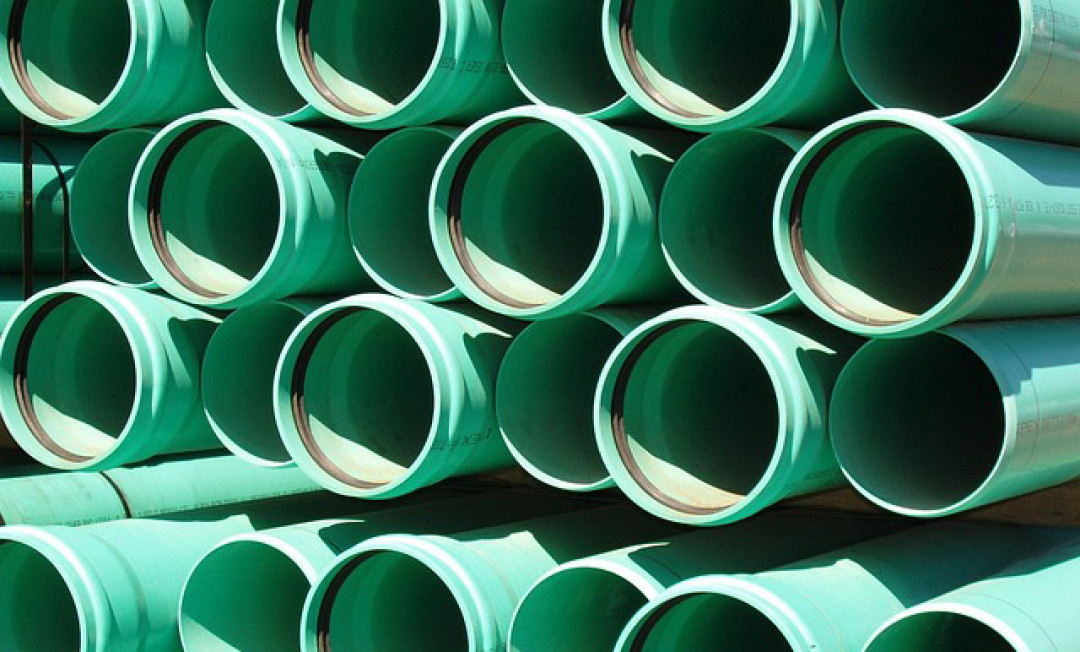
Carbon capture and storage applications as well as those related to enhanced oil recovery that include steel pipe remediation or liners for thermoplastic composite pipes require an assessment of the barrier properties of thermoplastic polymers. These assessments establish the effectiveness of thermoplastic materials as barrier layers against impurities in CO2 feedstock, such as water vapour, ammonia, nitrous oxide, hydrogen and hydrogen sulphide.
These barriers reduce the rate of arrival of corrosive species at load bearing steel supports and base pipes. However, CO2 fluid compositions can vary between locations, creating potentially high costs to establish how each fluid composition impacts thermoplastic systems on a case-by-case basis.
This new project Combined Permeation of Pressurised CO2 with Impurities through Thermoplastics will establish whether some impurities are selectively blocked by the internal structure of the thermoplastic resin, allowing them to be excluded from future screening studies. Experts will conduct research to create guidance around which impurities within CO2 compositions are most relevant when assessing the barrier properties and ageing of thermoplastics from the polyethylene, polyphenylene sulphide or polyvinylidiene families.
Determining if the transport of these impurity species leads to ageing in the thermoplastic matrix helps identify which compositions should be evaluated for their barrier properties and ageing behavior in thermoplastics. The outcomes of this research, which will be conducted at TWI's permeation facility, will be made available to the project sponsors, who will also be able to determine which thermoplastic materials are tested.
(Source: TWI)
Schlagworte
CO2Joining PlasticsPipesPlasticsThermoplastics