
12.04.2026
International
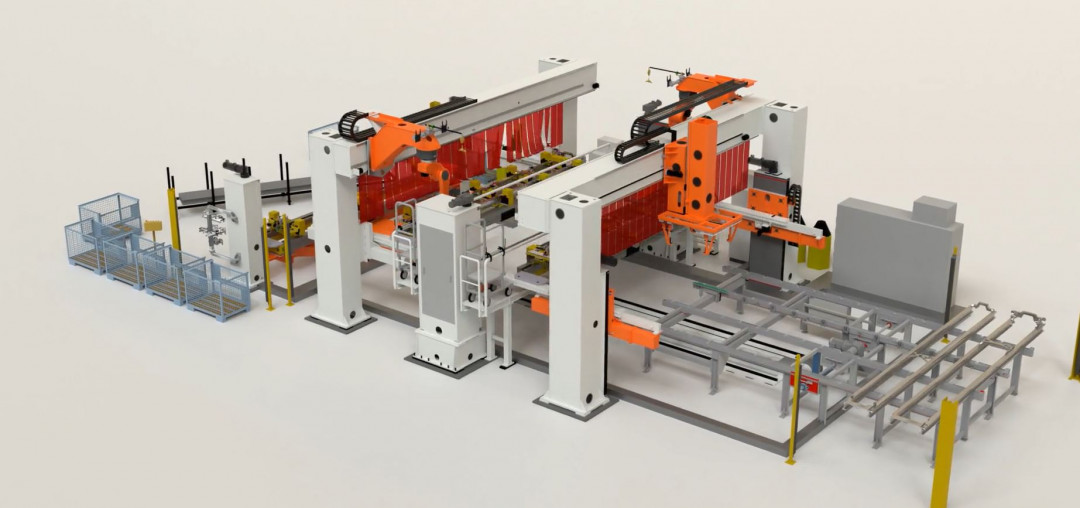
The biggest losses in production don’t usually happen at the arc. They happen between welds. In the wait times, in the unnecessary movement, in the cluttered stations and awkward handoffs that slow everything down. If investing in welding automation, layout is not something to figure out once the equipment is delivered. It is something to build into the foundation. When aiming for long-term performance, it is about what supports growth, speed and consistency over time.
What layout has to do with ROI
Weld cell layout affects the return on investment in three key ways: flow, flexibility and footprint.
- Flow determines how quickly and safely parts move from one step to the next
- Flexibility allows for part variation, future process changes or the addition of new tooling
- Footprint affects operator access, material movement, and the ability to expand later
All of these have direct impact on production time, labor utilisation and cost per part. If the robot has to wait for an operator to clear a station, or if parts have to be repositioned because the cell does not allow full access, those seconds stack up fast.
Hidden cost of poor layout
If the part is hard to load, the torch cannot reach all seams in one setup. If the fixture requires manual flipping, it takes more time preparing for the weld than completing it.
Common layout mistakes that drive up cost:
- Single-station setups that create downtime between cycles
- Tight spacing that limits operator access or safe material handling
- No space for future equipment or workflow upgrades
- Poor positioning that leads to inconsistent welds or higher rework rates
These issues show up fast once production starts. Every workaround a team has to create costs time and reduces consistency.
Parallel workflow beats cycle speed
There is a point where the robot is faster than the workflow can support. If the operator has to wait to unload before they can reload, or the part needs to be manually turned between welds, they are not bottlenecked by technology but by design.
A well-designed layout allows:
- Loading while welding
- Clear paths for material in and out
- Safe access without crowding or interference
- The ability to scale from one robot to two without starting from scratch
Optimizing the system’s mechanical layout is foundational to overall performance. Proper alignment ensures smoother component articulation, enhances operator safety and improves weld repeatability. A well-designed motion system enables the robot to execute its programmed tasks with precision, reliability and minimal downtime.
(Source: Cloos North America)
Schlagworte
AutomationRoboticsRobotsROIWeld CellWeld SeamWelding