
23.02.2026
International
Practical Feedback in the Development Process of Welding Equipment
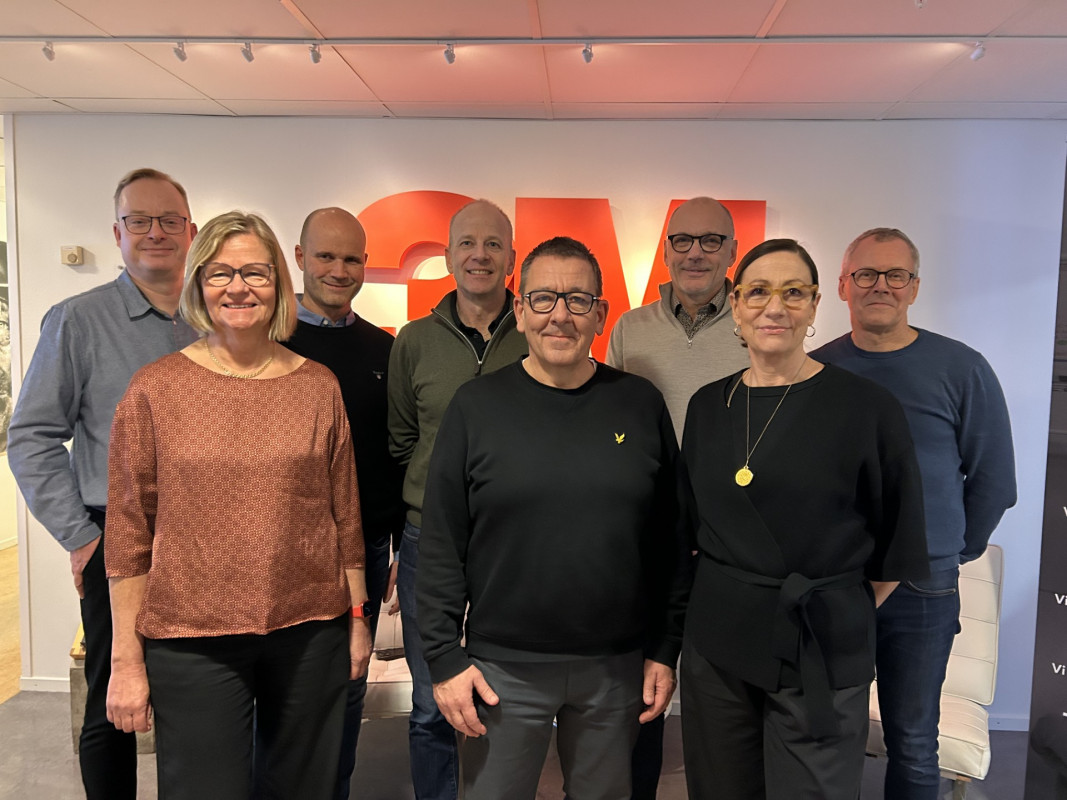
In this interview series, specialists from 3M Speedglas, Gagnef (Sweden), a subsidiary of 3M Deutschland, provide insights into the world of welding helmets. They focus on product development, feedback from users and the worldwide market of welding equipment.
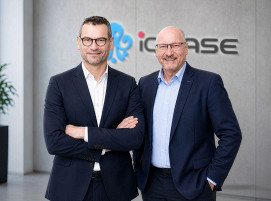
Whether it is comfort, protection or usability: what ultimately counts is what works on the shop floor. In this interview, 3M Product/Business Development Manager Stefan Henriksson and 3M Advanced Application Engineering Specialist Marcus Wiederkehr explain how they systematically collect user feedback, derive reliable basic requirements from it and develop step-by-step solutions that bring tangible added value to larger user groups.
As the Product/Business Development Manager and the Advanced Application Engineering Specialist you work closely with the R&D Team as well as with the end-customer. You could be described as a bridge between those two. How is this reflected in your daily work?
Marcus Wiederkehr: Stefan and I are involved in the Voice of Customer Group. So we have a dedicated organisation focusing on how to collect insights from our end users, the welders. We have established a certain process over the last 20 years. We use the different types of welding applications to sort welders into groups. These are further divided by continent, country, and region. After identifying the groups, we go out globally and interview welders in those groups about their needs. Then we compare the different groups based on the gathered feedback, for example a group of welders in the US with a group in China. Many people think the needs are very different in various countries, e.g. China and the US. Even though they might not have the same economic strength the welder’s needs are the same. We take this information to the R&D department, like the bridge you mentioned, and we discuss and show the department what we think is important.
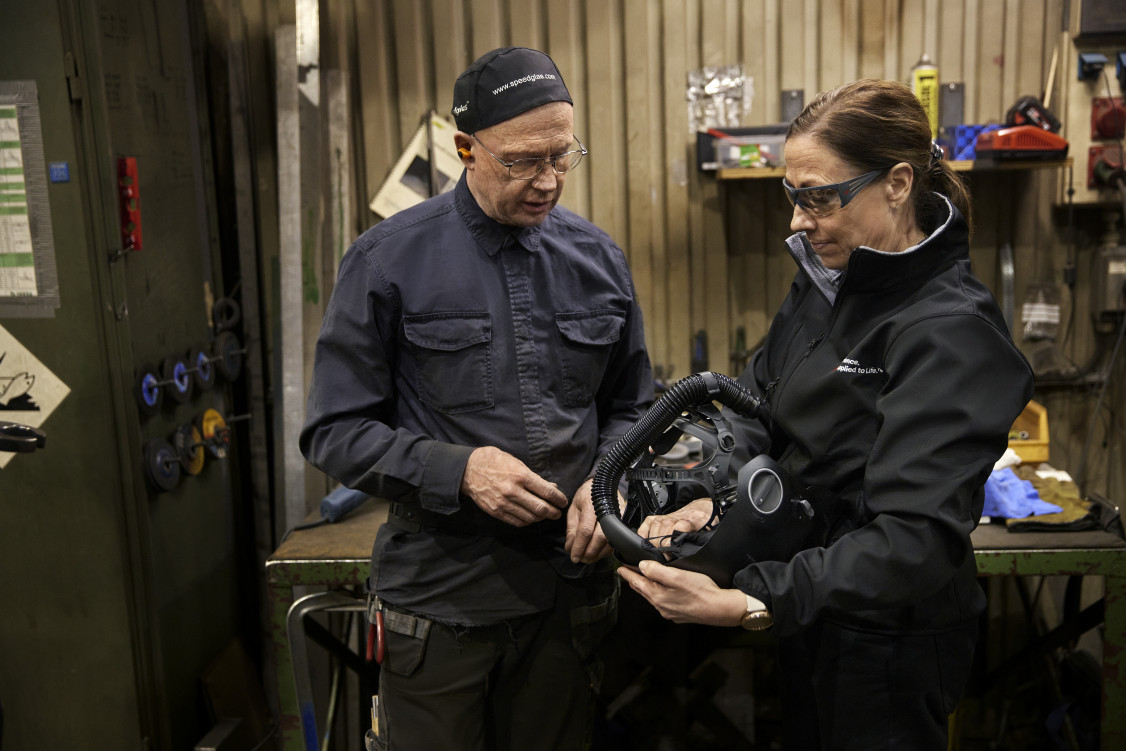
When collecting feedback from welders, we focus on identifying their specific needs rather than receiving proposed solutions. Welders often respond with solutions, such as “I need a bigger lens” or “I need more air.” Our goal is to understand the underlying reasons behind these requests. If you stop at the statement “I need more air” and increase the airflow, it might address the wrong issue, as is could shorten the runtime of the unit. If you ask them why they need more air, they can give you a more precise answer. The issue could be the need for a cooler head which could be solved in a different way than by increasing airflow.
After discussing with the R&D department and letting the experts within the different departments come up with ideas, we can go back with a concept and test it. “Is this solution
helping you cool down?” It could be only one small part of a welding system and if they say yes, we let the departments know: “The welder said that is a good idea. Let us continue with this idea.” It sometimes takes several rounds before we have a complete solution, eventually we carry out the final field trials for a longer period of time, usually two to five months. We want to assess whether the product is durable and user-friendly.
Stefan Henriksson: This is the way we work: collecting the needs and trying to make concept pieces for these early field trials. At some point during the process, we stay at the testing area while welders use our concept to ensure nothing is left behind. We also collect their data and get their feedback.
Is there a specific risk impacting welders at the moment and are you working on solving this?
Henriksson: We are constantly working on new projects, but everything is more or less based on improving the situation. We review our current product range to determine if it meets our needs or requires supplementation. Some ongoing projects are specifically designed to fill gaps in the portfolio.
Wiederkehr: We have many small projects where products have been released, and we’ve noticed some minor issues or areas for improvement. Everything you see could be improved. That's our mindset. New technologies are emerging and some of them are expensive, so we cannot use them yet. But maybe in a few years we can start implementing new things. For example, a few years ago it was impossible to put a Bluetooth chip into a welding filter because it was too costly. Today it is affordable, so we implemented it. Another example would be cameras. Cameras could be very useful but currently they are super expensive, so we do not think it is a good idea to start using that technology at this point.
Is there specific need you would want to work on in the future?
Wiederkehr: From improved comfort to improved safety. Everything could be improved and we continually try, but we must look at the ratio of customer value and pricing as well as the welder and his health. You could, for instance, double the price if you have value in the product, if it helps welders increase quality. That’s because it's a tool to produce quality, to increase productivity. In addition, the welder needs to be comfortable. He does not want to get headaches, neck pain or tired eyes. I met a welder working without any respiratory protection in an awful environment. He was cutting stainless steel outdoors. I said, “You need to have respiratory protection.”, so I brought this guy a respiratory protection unit. After two weeks I revisited him and I will never forget what he said. He was thrilled and told me he was able to watch the 6 o’clock evening news on TV for the first time in ages. Before using respiratory protection, he was always too tired and went straight to bed after work. Of course this is an extreme case, but it shows our reason to constantly aim for improvement. We see a lot of welders poorly protected. Even though they say they are fine, it does not mean they are since they could get cancer or something similar in the future. For us it is necessary to educate and of course design products that protect the welders.
Henriksson: Sometimes you hear about a need you have to consider if it is valuable for a bigger group. If it is only beneficial to a small number of users, it is unlikely something we will focus on. We will focus on these larger groups with greater needs – needs that can truly make a meaningful difference. We are of course obliged to make sure our products are safe and are providing some additional value, yet we cannot disregard the business side. It is a business where we can see that we make a difference. We improve not only their work, but also their lives. This sentiment is encouraging.
With the decades of expertise you have accumulated, what are some of the most unusual or seemingly impossible requests you have received from the welding industry?
Henriksson: Many years ago, I had a few cases where we were asked why we did not make something larger, curved around the face. At the time this was really difficult. But later, I had the same requests. At that point I knew we were already working on a curved visor.
Wiederkehr: With our experience, we are able to recognise ideas and input we should consider. Stefan Henriksson mentioned different groups of welders bring different business opportunities. We look at the number of welders in this group worldwide, then we decide on how to go forward. Look at welding under water for instance, there are a few thousand underwater welders. If we calculate how many products we could sell to that group, the number would be quite small. Therefore, we need to work on something else which focuses on bigger groups. Collecting feedback and understanding welders’ needs is something we both find really exciting. When we launch a new product and later return to ask, ‘What do you think?’ – we love hearing their responses. It makes us genuinely happy. In a way that feedback feels like a reward for our work.
Thank you for the conversation.
Schlagworte
AIApplicationsAuto Darkening FilterCuttingDevelopmentField TrialsPersonal Protective EquipmentPPEPractical feedbackSafety Requirements SpecificationTAP FunctionVoice of CustomerWeldingWelding environmentWelding EquipmentWelding filterWelding HelmetWelding risksWelding standardsWorkplace Safty