
26.03.2026
International
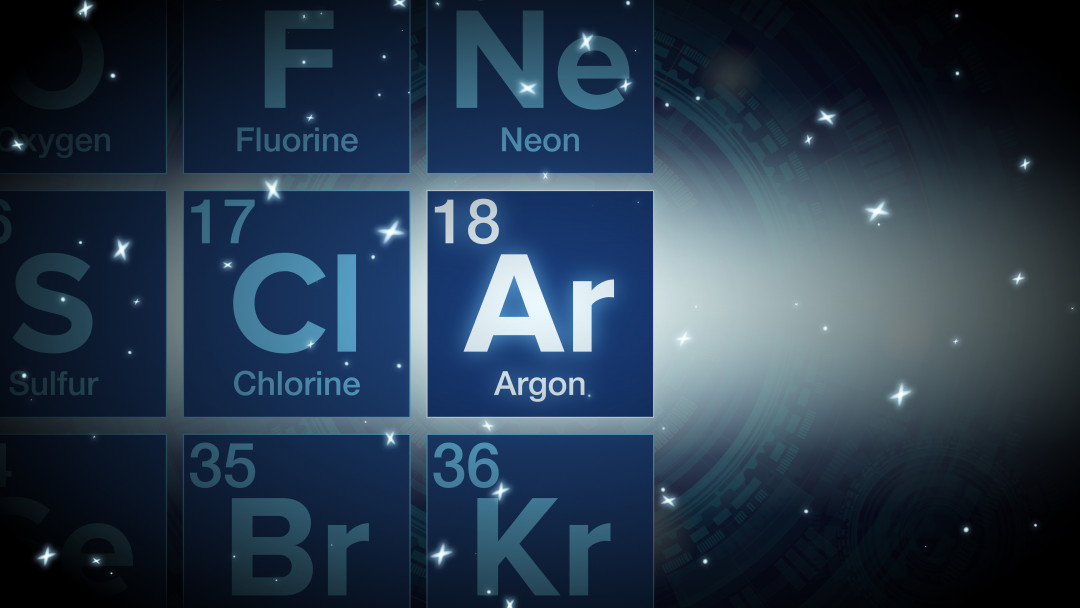
Invisible yet essential, industrial gases are a fundamental part of modern life, supporting critical applications across healthcare, food production, electronics, and energy systems. From oxygen in hospital environments to nitrogen in food packaging and carbon dioxide in beverages, these gases enable processes that often go unnoticed but are indispensable to global infrastructure.
As David Bell, founder and president of WITT Gas Controls USA in Alpharetta, Georgia, retires after nearly two decades in this role and almost 50 years in the industrial gas industry, the sector reflects a remarkable transformation. What was once a specialized market focused primarily on heavy industry has evolved into a globally interconnected and innovation-driven field that underpins medical imaging, semiconductor manufacturing, sustainable agriculture, and green energy technologies.
Industrial Gas Industry Evolution: From Traditional Manufacturing to High-Tech Applications
David Bell’s career closely mirrors the development of the industrial gas market. In its earlier stages, the industry was largely centered on metal fabrication, welding, and shipbuilding. Over time, rapid technological progress expanded its relevance into healthcare, food preservation, semiconductor production, and advanced research applications. Each new sector introduced increasingly complex requirements, reinforcing the need for continuous innovation and adaptation.
Bell emphasizes that adaptability has always been a defining factor for success in the industrial gas industry. Companies that failed to respond to emerging technologies, regulatory changes, and evolving customer demands risked losing their competitive position in an increasingly dynamic market.
Laser Technology as a Catalyst for Innovation in Industrial Gases
One of the most significant developments within the industry has been the advancement of laser technology and its impact on gas applications. Early carbon dioxide lasers, introduced in the 1960s, enabled more precise cutting and welding processes than traditional thermal methods. However, the later emergence of fiber laser technology marked a substantial leap forward, offering higher efficiency, faster processing speeds, and greater precision.
These technological advancements significantly increased the demand for high-purity gases, precise pressure control, and application-specific gas mixtures. Assist gases such as nitrogen, oxygen, and argon became essential components in laser-based manufacturing processes, directly influencing the quality and consistency of the final product. Even minor deviations in gas purity or flow rate can affect production outcomes, highlighting the importance of advanced gas control systems and engineering expertise.The Growing Importance of High-Purity Gases Across Industries
As industrial applications diversified, the role of ultra-high-purity gases became increasingly critical. In medical imaging, particularly in MRI systems, gases such as helium and nitrogen are required to achieve and maintain cryogenic temperatures essential for accurate diagnostics. In the food industry, modified atmosphere packaging extends product shelf life while preserving quality and safety. In microelectronics and laboratory environments, even minimal contamination can compromise entire processes or product integrity.
Bell recognized early the need for closer collaboration across the value chain. By bringing together gas manufacturers, distributors, and end users, the industry was able to develop solutions that addressed real-world challenges rather than theoretical requirements. This collaborative approach became a key driver of innovation and operational reliability.
Globalization and Structural Change in the Industrial Gas Market
The industrial gas sector has also been shaped by increasing globalization, consolidation, and regulatory complexity. The expansion of major international players and the integration of global supply chains introduced new competitive dynamics and opportunities for knowledge exchange. At the same time, regional differences in regulations, market expectations, and application priorities required companies to adapt their strategies to local conditions.
Bell highlights that success in a global market depends on understanding these regional nuances. While Europe has been an early driver of green energy and specialty gas applications, the United States has led advancements in industrial fabrication and large-scale food processing. These regional developments have contributed to a more diverse and innovative global industry landscape.
Leadership, Digital Transformation, and Organizational Adaptability
A central element of David Bell’s leadership philosophy is the belief that every problem represents an opportunity to develop a solution. This perspective became deeply embedded in the culture of WITT Gas Controls, encouraging teams to actively engage with complex customer challenges and continuously improve processes and technologies.
The increasing pace of technological change has also transformed workforce requirements within the industry. From early computing systems to modern digital platforms, employees have had to adapt to new tools and ways of working. Cross-functional collaboration and knowledge sharing have become essential for maintaining competitiveness.
During the COVID-19 pandemic, WITT Gas Controls demonstrated this adaptability by transitioning rapidly to remote operations while maintaining business continuity. Investments in digital infrastructure and effective inventory management enabled the company to remain operational in a highly uncertain environment. These developments reflect broader industry trends toward digitalization, agility, and customer-focused service models.
The Lasting Impact of David Bell on the Industrial Gas Industry
Under David Bell’s leadership, WITT Gas Controls USA established itself as a recognized provider of solutions in laser fabrication, medical gas applications, and food safety technologies. The company’s continued focus on precision, reliability, and innovation positions it well for future developments in hydrogen technology, digital gas monitoring, and integrated system solutions.
Bell’s legacy extends beyond corporate success. His leadership has contributed to raising industry standards and fostering a culture built on collaboration, technical excellence, and long-term thinking. As the industrial gas industry continues to evolve, the principles he championed remain highly relevant for addressing future challenges and opportunities.
(Source: WITT Gas Controls)
Schlagworte
ArgonCarbonCuttingEngineeringEnvironmentGasGaseGreen EnergyHeliumHydrogenIndustryInfrastructureLaserLaser TechnologyLasersMetalShipbuildingSupply ChainSupply ChainsSystem SolutionWelding