
22.04.2026
International
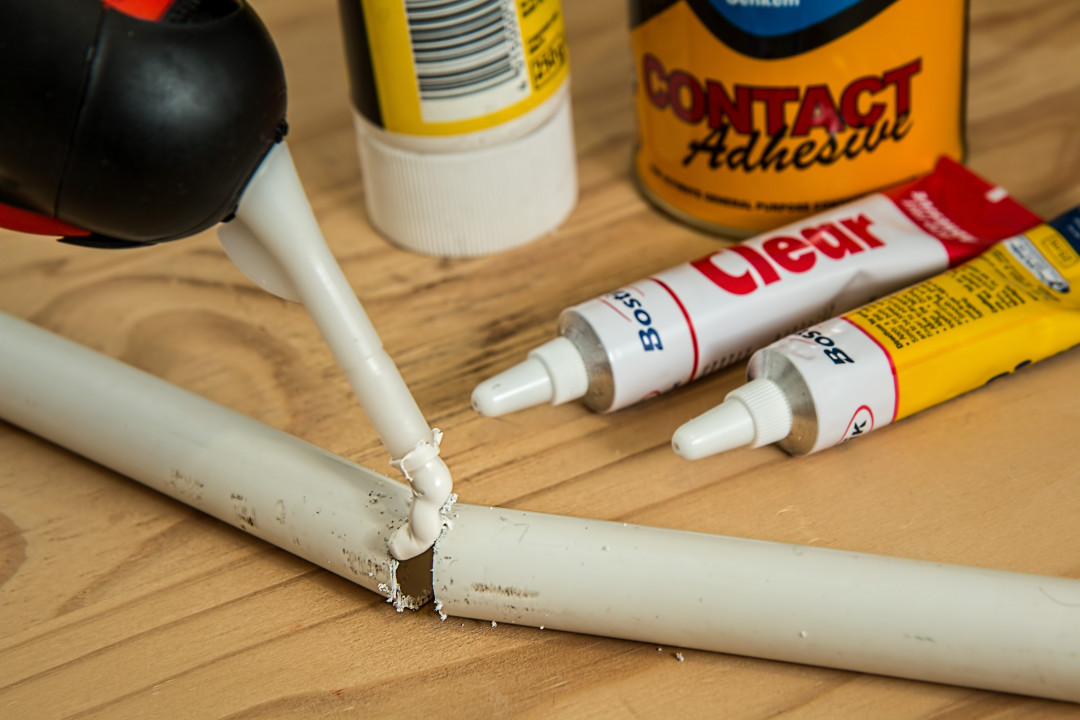
Although competition is becoming fiercer and adhesive technology is advancing rapidly, vinyl adhesives continue to lead the market in terms of demand. More than 14M t of adhesives are currently sold worldwide each year. Of this total, approximately 4.1M t are vinyl-based. Ceresana has now analyzed the global adhesives market for the seventh time: According to the market research institute, vinyl could see even further growth, particularly in packaging, consumer products and simpler applications. However, the use of polyurethane, acrylic and epoxy adhesives is currently growing even faster, at a rate of up to 3 % per year.
Opportunities and challenges for adhesives
The construction industry is the world’s largest consumer of adhesive materials: Wall and floor coverings, cladding and panels, insulation materials and other building products currently account for more than 27 % of all adhesives used. However, the “shoes, textiles and leather” sector is seeing the strongest growth in demand for adhesives, at around 3.1 % per year: Particularly in Asia and Africa, the shift of production to emerging markets and the growth of the middle class are driving up demand for reactive PU adhesives in the fashion and apparel industry. In the automotive industry, lightweight car bodies and batteries for electromobility are increasing the demand for adhesives; thermosetting composites for wind turbine rotor blades are also bonded.
By region, the Asia-Pacific region accounts for approximately 43 % of global adhesive sales, followed by North America and Western Europe. In Europe, most adhesives are used in the “paper and packaging” segment. The main drivers of growth are e-commerce and the rising demand for transport and shipping packaging – while packaging manufacturers are increasingly succeeding in reducing material usage and improving efficiency. In addition to market data and forecasts, the global adhesives market report by Ceresana also contains background information on the regulatory framework in the EU as well as the general economic situation and the situation in the construction industry in the individual countries.
Market data on innovative adhesive trends
How about Debonding on Demand? For recycling and repairs, adhesives that can be removed precisely and without leaving any residue are practical. Nowadays, adhesives are tailor-made for a broad range of applications: There are already more than 250,000 different adhesive formulations and the number is steadily increasing. In addition to adhesion and bonding, they also offer thermal and sound insulation, protection against moisture, electrical conductivity, pest control and other innovative functions. The most important vinyl products are polyvinyl acetate (PVAC) and polyvinyl alcohol (PVA). They are followed by acrylic, polyurethane (PUR), elastomer, epoxy and other adhesives.
Polyurethane adhesives and reactive adhesives are currently experiencing the strongest growth. Water-based adhesives account for around 46 % of total demand. Hot-melt adhesives are particularly in demand in applications where solvent-free products and fast processing are essential, such as in the furniture industry or in timber construction. There are still opportunities for solvent-based adhesives in specialty and niche applications: Despite increasingly stringent regulations on volatile organic compounds (VOCs), Ceresana expects growth of around 1.9 % per year for these adhesive products.
Current 7th edition of the market study “Adhesives – World”
- Chapter 1 provides an overview and analysis of the global adhesives market, including forecasts up to 2034: The development of revenues, demand and production is analyzed for each region. Regional adhesive markets are analyzed extensively: Data and influencing factors on the use in the application areas construction, paper and packaging, wood processing, transportation, shoes, textiles and leather, consumer goods and other applications. Demand for adhesives is broken down by product type: vinyl, acrylic, polyurethane (PUR), elastomer and epoxy adhesives, as well as other types of adhesives. The various technologies are also covered individually: water-based adhesives, hot-melt adhesives, solvent-based adhesives, reactive adhesives and other adhesive technologies.
- Chapter 2 analyses the global market for adhesives in the 17 most important countries: Global demand for, export and import of, as well as revenues generated with adhesives are given. In addition, these countries are also analyzed in detail regarding application areas and adhesives technology. Revenues are broken down by application area. Market data on demand and production volume of each country is split for each type of adhesive.
- Chapter 3 offers a useful directory of the 56 most important adhesive manufacturers, clearly arranged according to contact details, revenues, net income, product range and production sites.
(Source: Ceresana)
Schlagworte
Adhesive TechnologyAdhesivesAutomotiveBatteriesBondingE-MobilityElastomerEpoxyJoining PlasticsJPMarket DataPlasticsPolyurethanePUPURPVAPVACWind Turbines