
03.09.2026
Forschung
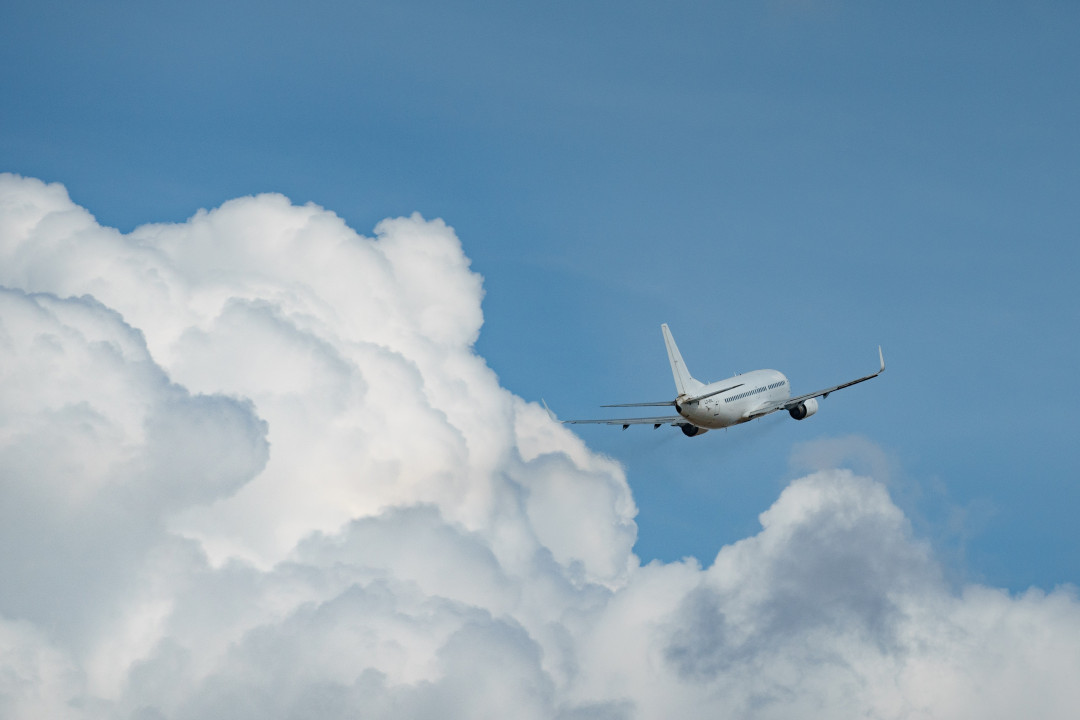
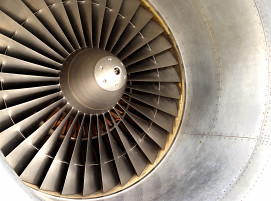
Gas turbine engines, like those powering passenger planes, operate under extreme conditions during everyday use. These engines regularly reach temperatures well over 800 degrees Celsius, which creates challenges for long-term durability and efficiency. Andre Mayer, a Concordia postdoc from the Department of Chemical and Materials Engineering, searched for solutions to this challenge through recently published research in the journal Communications Materials.
Working through Concordia’s Thermal Spray and Surface Engineering Research Centre under the supervision of Pantcho Stoyanov during his PhD, Mayer explored a new type of coating that helps engines perform better under intense heat. The research was also supported by Fadhel Ettouil, who provided technical assistance with specialized equipment at the Centre.
As Mayer explains, he began by studying how oxides like rust form on engine parts – a process typically viewed as harmful. “These oxides actually play an important role when components operate at extreme conditions, like high temperatures,” he says. “They create a protective layer that prevents metal surfaces from sticking to one another during operation.” He cites one famous example from NASA's Galileo mission, where the absence of oxides contributed to mechanical components sticking together in the harsh environment of space.
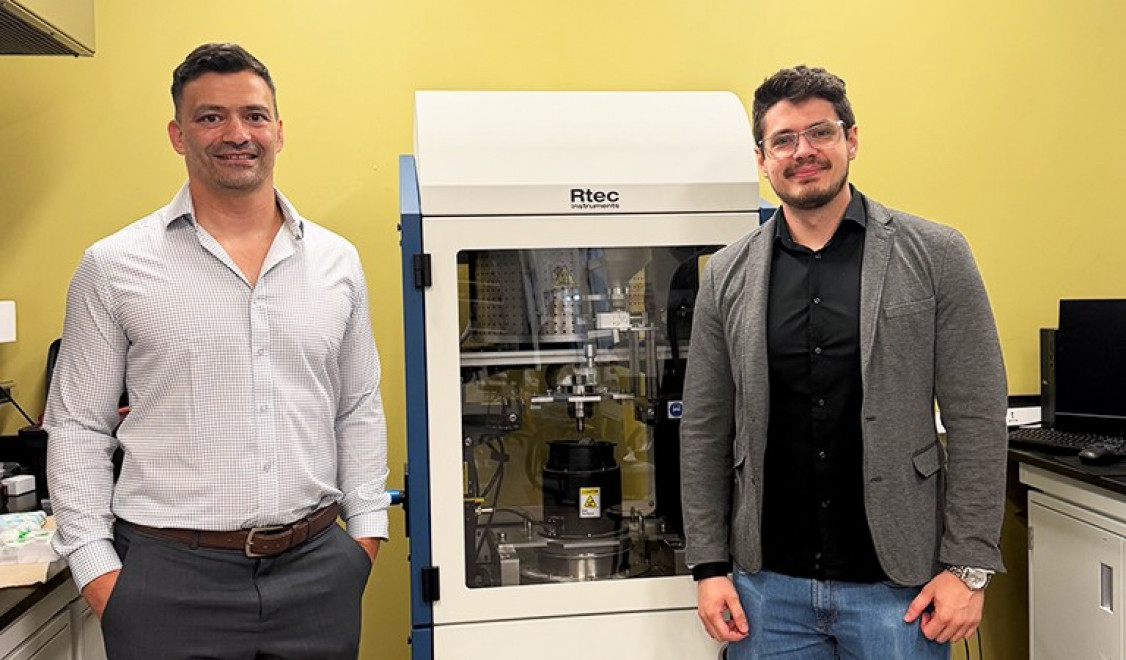
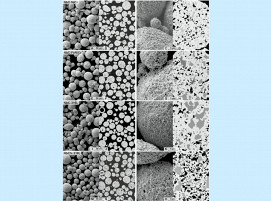
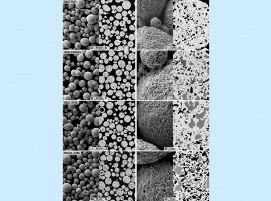
While investigating how oxides form on gas turbine engines, the team looked to replicate how certain beneficial oxides were formed in a more controlled way. "We developed coatings made from cobalt and chromium oxides that mimic the chemistry of naturally occurring oxide layers known as glaze layers. These protective layers normally form only under very specific operating conditions and on certain engine components. By applying a coating with similar chemistry from the start, we can provide similar protection even where those conditions are never met,” Mayer explains. “Although our new coatings are about as thick as a human hair, they can completely change the surface performance.”
Not only does this new coating improve wear and friction on engine simulated conditions, but it can self-repair cracks caused by metal expansion in extreme heat. As the coating cooled down after use, the team saw that cracks in the new coating self-healed and disappeared, maintaining the coating’s integrity. Mayer says this innovation promises to extend the lifespan of engines and reduce the amount of servicing required. The coating’s composition also addresses other challenges with commonly used engine materials, including rising costs and issues with supply. The technology is currently patent pending, as the research team explores opportunities to translate this discovery into future applications including those beyond aviation.
“We’re excited about the broader potential of this work,” Stoyanov says. “While it was inspired by challenges in aerospace engines, the same concept could be applied across many engineering fields where components operate under extreme conditions.” Researchers at Concordia’s Thermal Spray and Surface Engineering Research Centre work to develop new coating technologies like this one to meet industry demand for improved resistance and durability. The Centre is co-led by Stoyanov and Christian Moreau, Canada Research Chair in Thermal Spray and Surface Engineering.
(Source: Concordia University)
Schlagworte
AerospaceCoatingResearchSurface TreatmentSurfacingThermal Spray BulletinTSB