24.09.2026
Veranstaltung
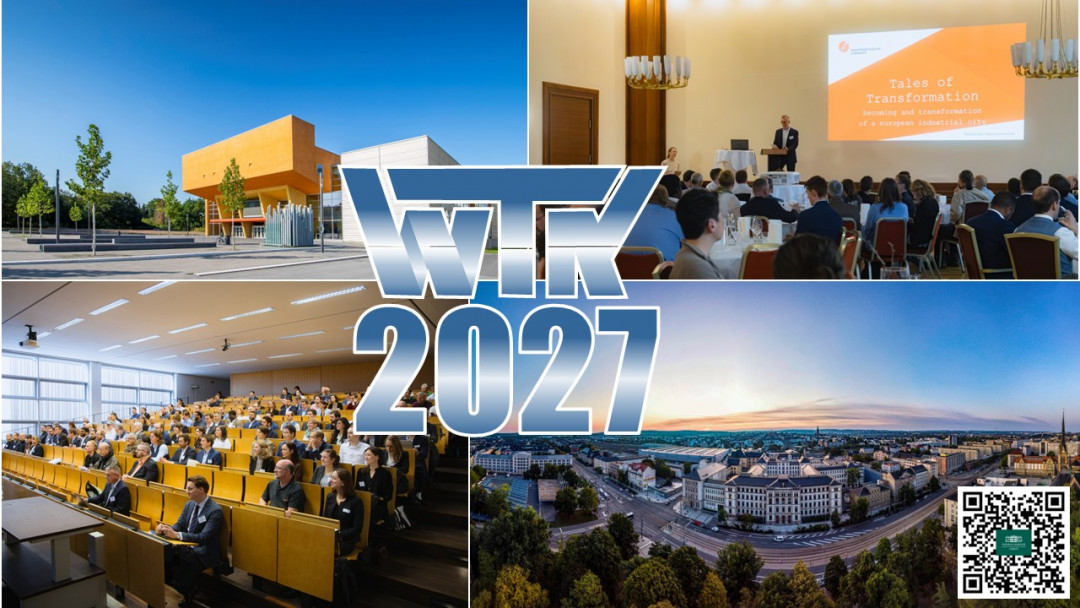
The growing challenges related to sustainability can be addressed through the use of innovative materials technology. The Institute of Materials Science and Engineering (IWW) at Chemnitz University of Technology, Germany, will host the 25th Materials Engineering Colloquium (WTK) on March 17 and 18, 2027. In keeping with the motto “Academia meets Industry,” industry representatives and researchers are once again invited to take advantage of this long-standing event - now celebrating its anniversary – for an engaging exchange in Chemnitz.
National and international experts will present scientific contributions in the form of talks and posters under the theme “Substance for the Future – Materials for Innovative Applications.” In addition, industry participants will have the opportunity to showcase their company at the industry exhibition and provide insights into their products, processes and services through 5-minute keynote presentations. The colloquium covers topics in materials science, surface engineering, joining and manufacturing technologies, composite and hybrid materials, material behavior and analysis, as well as hydrogen technologies, sustainable propulsion systems and knowledge- and data-based modeling. Over 50 presentations from various disciplines are expected.
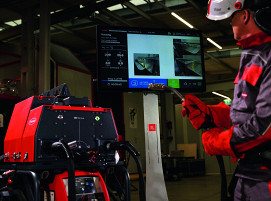
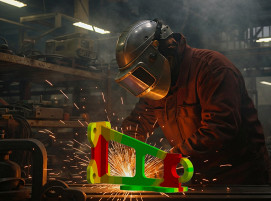
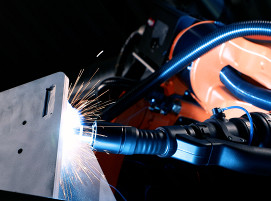
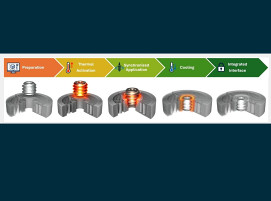
One key focus is joining and manufacturing technology. In addition to established welding, brazing and soldering processes, innovative solid-state joining methods, weld cladding and additive manufacturing processes for metallic materials are of particular importance. Special emphasis is placed on producing reliable joints between similar and dissimilar materials and on tailoring the mechanical and functional properties of the joint region. The use of modern in situ sensor technology as well as modelling, simulation and data-driven methods enables the targeted investigation of the underlying process–material interactions and the further development of robust joining processes. These activities are supported by the characterisation of the joint regions and by microstructural and materials analyses. This opens up far-reaching opportunities for process-reliable, quality-assured, energy- and resource-efficient industrial manufacturing.
Abstracts of up to 200 words may be submitted for the event by October 30, 2026. Conference language is English.
Abstract Submission and More Information
(Source: Technische Universität Chemnitz)
Schlagworte
AdhesionAdhesivesBondingBrazingHydrogenJoiningMaterials EngineeringResearchSolderingSustainabilityTechnical ColloquiumTU ChemnitzWelding