19.11.2026
Trendthema
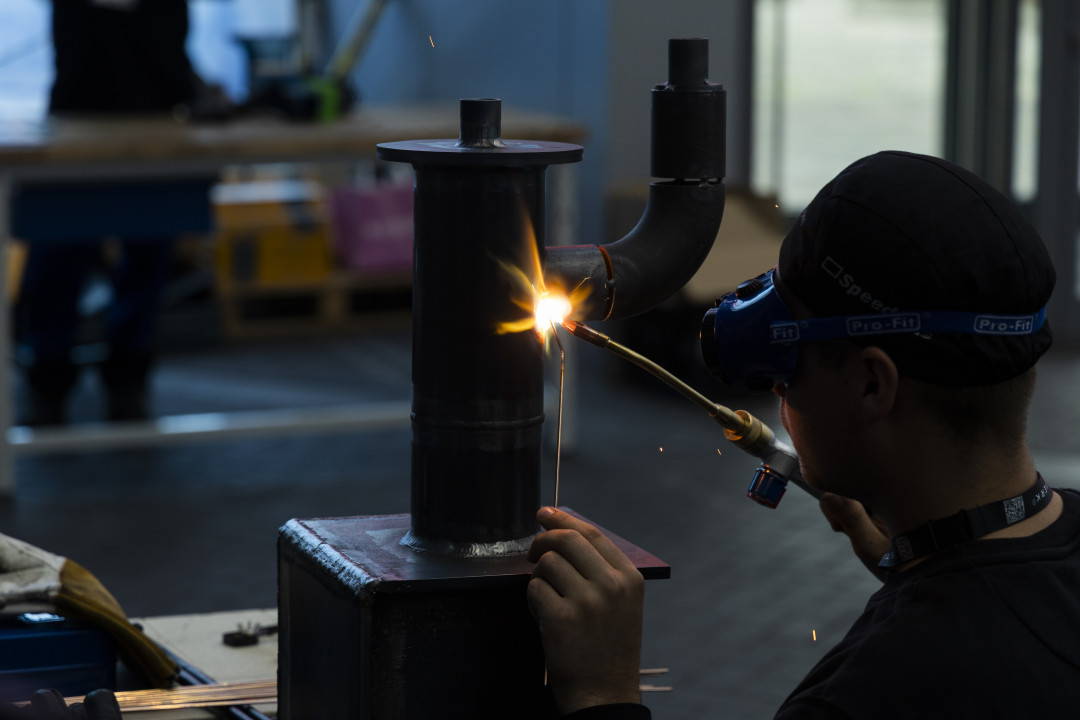
Commercial and industrial welding shops are closing out 2026 with a familiar contradiction, since demand for fabricated structures, process equipment, and pressure components remains steady while the people who produce them are increasingly difficult to find. The American Welding Society projects a shortage of more than 300,000 welding professionals by 2029, and the wider manufacturing sector could see as many as 1.9M jobs go unfilled by 2033 if skills and applicant gaps persist. How these workforce pressures interact with quality, cost and technology choices will shape which shops stay competitive over the next several years.
An aging workforce and a thinner pipeline
The average age of U.S. welders is 55, and many are nearing retirement while fewer young people are entering the trade. Training programmes feel the strain from the other side, as one technical school reported welding enrollment falling from about 120 students to about 80 over six years. Each retirement removes more than a pair of hands, because experienced welders carry judgment about joint fit, heat input, distortion control and code requirements that rarely appears in full within written procedures. Shops that lose that knowledge without capturing it often find that quality problems surface gradually, as less experienced operators inherit work without the habits that kept results consistent. The effect is most visible on jobs involving thick sections, out of position joints or exotic alloys, where small lapses in technique carry larger consequences and where qualified candidates are hardest to replace.
Why inconsistency is so expensive
Labour accounts for 85 % of the cost of a properly running welding operation, while filler metal, base material, shielding gas and electricity share the remainder. That balance explains why rework is so damaging, since removing and redoing a defective weld in the cell typically costs 2 to 3 times the original fabrication and the expense grows when a defect travels downstream before anyone catches it. Variation in travel speed, torch angle and joint preparation shows up as porosity, lack of fusion and distortion, and these problems become more likely when experience levels differ widely across a crew. Customers in structural, energy and pressure vessel work also expect documented procedures and traceable results, so a shop that cannot demonstrate consistency risks losing bids even when its pricing is competitive.
Where automation fits and where it does not
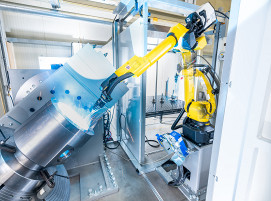
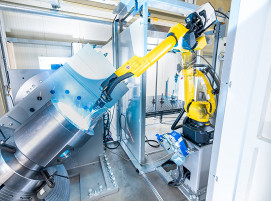
Collaborative robots have drawn attention because they are quick to program, often avoid dedicated safety fencing and can be moved between work areas. They now represent 18 % of North American robot unit sales, and welding is one of the fastest growing applications for collaborative robots. In practice, the strongest results come from repeatable welds on stable fixtures, where a cobot delivers the same bead part after part and shops can reassign experienced people to larger, more complex work. Limits remain, however, since one off fabrications, heavy plate with variable gaps, and poorly fitted parts still depend on human judgment, and someone must still run the cell, supply consumables and verify the output. Programming is also learned quickly, so employees from other departments can often operate a cobot cell with modest training, which makes the technology a workforce tool as much as a productivity tool.
Practical steps that stabilize quality
Shops that manage the labour squeeze well tend to treat knowledge transfer as an operational priority rather than an informal habit. Pairing senior welders with newer hires, recording the reasoning behind procedure choices, and standardising fit up and joint preparation address a common root cause, since many weld defects originate before the arc is ever struck. Tracking rework by joint type, process and part family adds a second layer, because even a simple log reveals where variation concentrates and where training or fixturing will pay back first. Weld data monitoring that records current, voltage and travel speed against qualified procedures can also give supervisors earlier warning than inspection after the fact, while supporting the documentation that customers increasingly request.
Automation decisions benefit from the same discipline. Starting with one stable, repeatable part family, defining what the operator checks at each stage, and measuring scrap and rework before and after installation provides a clear basis for expanding. On the workforce side, partnerships with technical schools, apprenticeships, and upskilling of employees from adjacent departments widen the pipeline without waiting for national numbers to change.
Looking ahead
The welding industry is unlikely to close its labour gap quickly, so competitiveness will depend on how well shops preserve expertise, measure quality and apply automation where it fits. Operations that combine documented knowledge, steady training and carefully scoped automation are better positioned to absorb retirements and demand swings, while those that rely on individual experience alone face growing exposure as that experience leaves the floor. The shops that act early on documentation, training and measurement will have the clearest view of where automation helps, and they will make those investments from a position of control rather than urgency.
(Author: Dijam Panigrahi, Co-founder and COO of GridRaster)
Schlagworte
CobotCollaborative RobotsRobotShielding GasSkilled Labour ShortageSkilled ProfessionalsSkilled WorkersTorchWeld DefectWelderWelding