17.11.2026
Wissenswertes
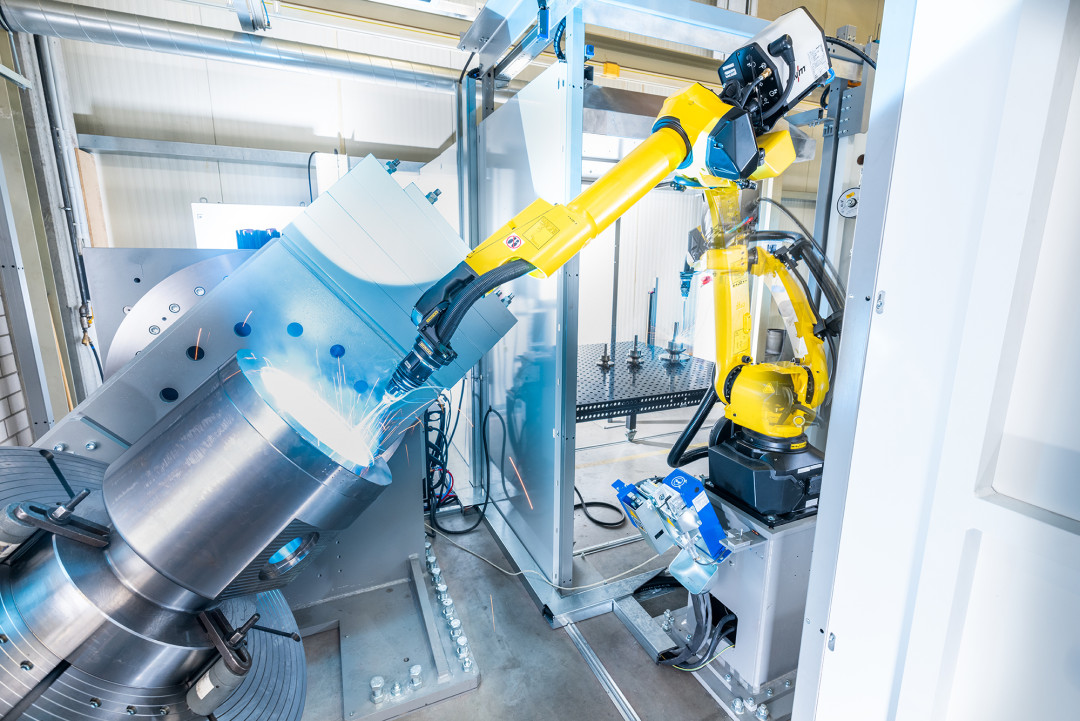
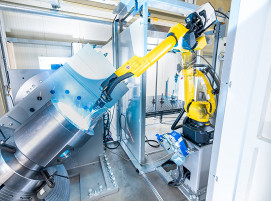
Automated welding processes ensure consistent weld quality, reproducible procedures and a reduced workload for specialist staff. However, tight component tolerances, complex weld geometries and inadequate preparation can jeopardise success. In its new eBook, EWM highlights the typical pitfalls, explains which technical aspects are crucial and outlines how to get started successfully.
Rising quality requirements and increasing cost pressures are pushing many businesses to their limits. The situation is exacerbated by a shortage of qualified welding specialists. The automation of welding processes is often cited as a solution, but this brings about changes to structures and workflows that extend far beyond the actual welding process itself. Anyone replacing or supplementing manual tasks with automated systems must also reassess pre-fabrication, positioning, cycle times and post-processing.
Avoiding the most common mistakes
A common mistake is starting too early without a thorough feasibility study. If the welding task is not tested realistically in advance, it only becomes apparent during operation that parameters, weld positions or material behaviour do not interact as expected. Component preparation is also crucial: even minor deviations in shape, gap dimensions or surface finish can compromise repeatability. What an experienced welder can intuitively compensate for, a robot cannot. Added to this are unstable fixtures, imprecise positioning and adjacent processes that can negate the hoped-for productivity gains.
Basic technical requirements
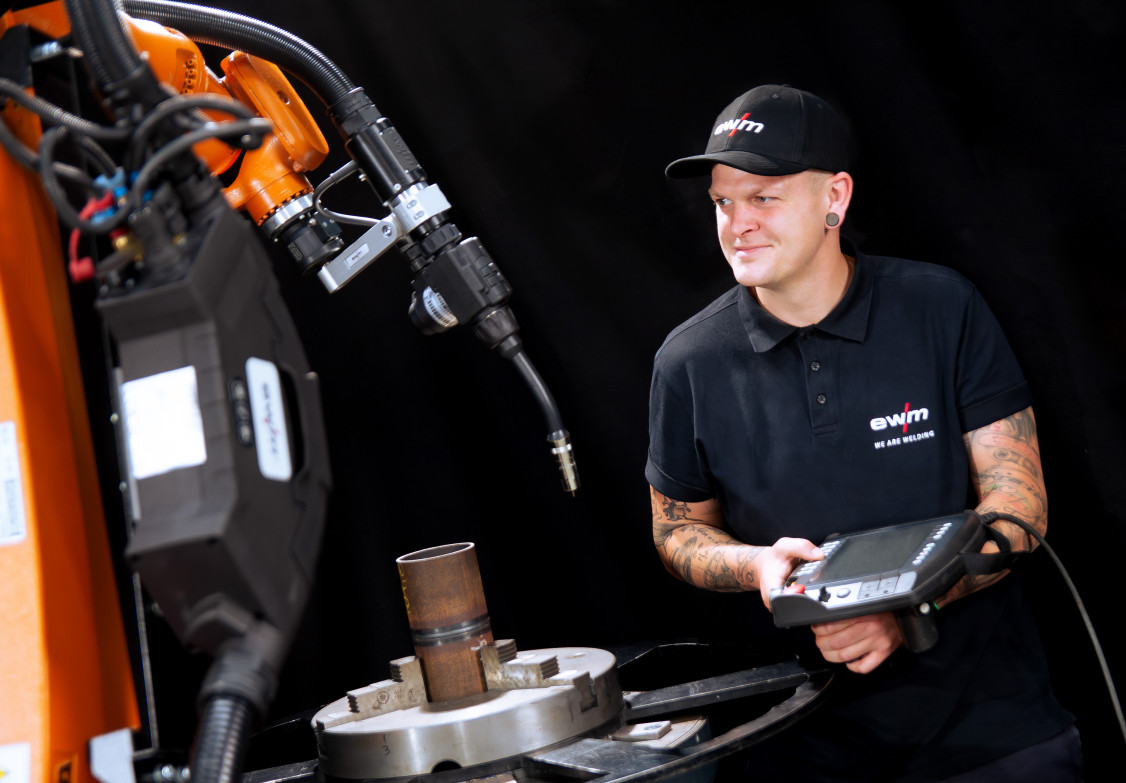
Automated systems only operate reliably if the technical factors are coordinated. These include a high duty cycle for continuous operation, robust and low-maintenance technology and stable process control with consistent droplet transfer. Components that work seamlessly together – from the welding torch through the wire feeder to the power source – are advantageous. As the level of automation increases, so does the need for transparency. This is where digital welding management systems such as ewm Xnet come into play: they document parameters in real time, highlight deviations at an early stage and enable centralised parameterisation.
With its new eBook, Planning and Implementing Automated Welding Correctly: How to Future-Proof Your Production with Innovative Welding Technology, EWM provides a detailed overview of the technical and organisational fundamentals, as well as tried-and-tested steps for implementation and a checklist for planning automated welding processes.
(Source: EWM GmbH)
Schlagworte
Automated WeldingAutomationCobotEBookFeasibility StudyMaterial BehaviourRobotSkillsWeldingWelding Task