17.11.2026
Unternehmen
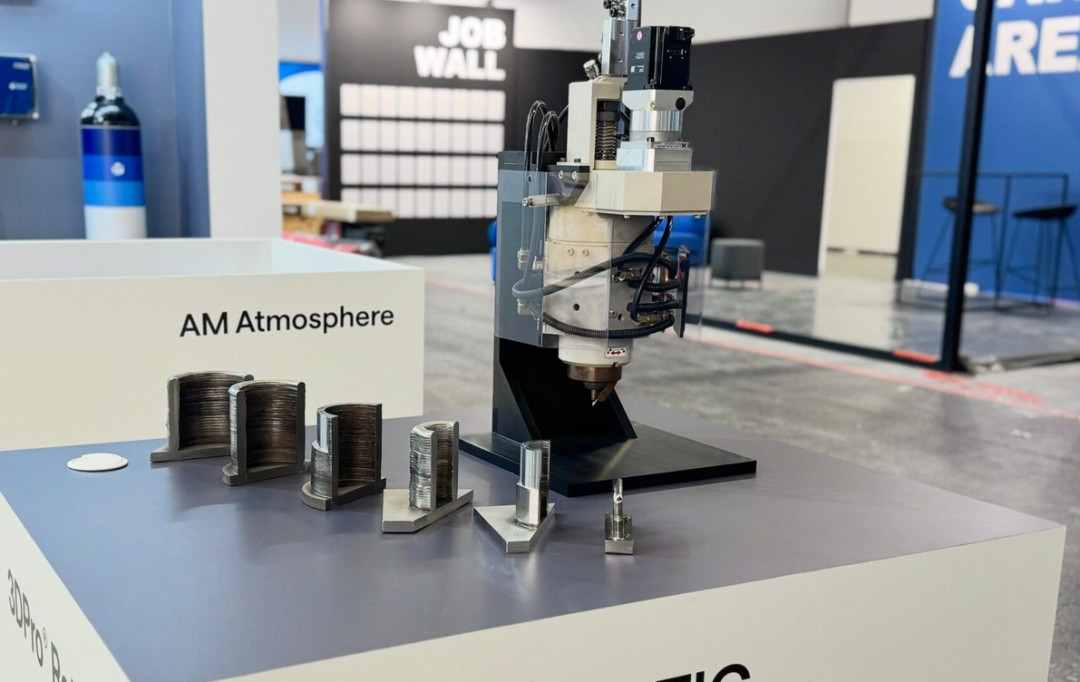
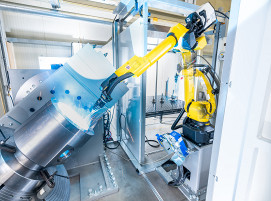
Proprietary Rotary TIG Welding Technology combines the advantages of TIG welding with greater flexibility for wire-based metal additive manufacturing. Nippon Sanso will showcase the 3DProß RotoTIG torch in Europe at Formnext 2026 in Frankfurt, Germany, presenting a new approach to wire-based metal additive manufacturing and the latest development within the company’s 3DPro technology portfolio.
Developed specifically for metal additive manufacturing, 3DPro RotoTIG brings Nippon Sanso’s proprietary rotary TIG welding technology into the additive production process. The technology combines a centrally fed metal wire with a tungsten electrode that rotates around it, helping to maintain a consistent relationship between the electrode and the wire as the deposition direction changes. This allows greater freedom in tool-path design and supports consistent heat input and material deposition across different scanning directions, combining the high-quality welding characteristics of TIG with the productivity potential of wire-based additive manufacturing. The technology opens new possibilities for the efficient production of high-quality metal parts, particularly where process flexibility and deposition quality are important.
“3DPro RotoTIG marks an important step in the continued development of our additive manufacturing portfolio. By expanding the range of solutions we offer, we aim to better respond to our customers’ evolving needs and support them in addressing real manufacturing challenges. Its presentation at Formnext reflects our commitment to continuously strengthening our portfolio with solutions that bring greater possibilities to industrial additive manufacturing”, says Raoul Giudici, President of Nippon Sanso in Europe.
Alongside 3DPro RotoTIG, Nippon Sanso will present the latest evolution of 3DPro DryCabinet, which has been developed for the storage of metal powder containers under an inert atmosphere. By maintaining controlled low levels of oxygen and humidity, the system helps protect metal powders against oxidation, agglomeration and deterioration in flowability, factors that can affect the consistency of subsequent additive manufacturing processes.
Hall 11.0, Stand C49
(Source: Nippon Sanso)
Schlagworte
Additive ManufacturingAMCladdingElectrodeTungstenWeldingWelding WireWire-based Metal Additive Manufacturing