
International
© Evonik
24.06.2026

Evonik Opens AEM Application Center in Shanghai

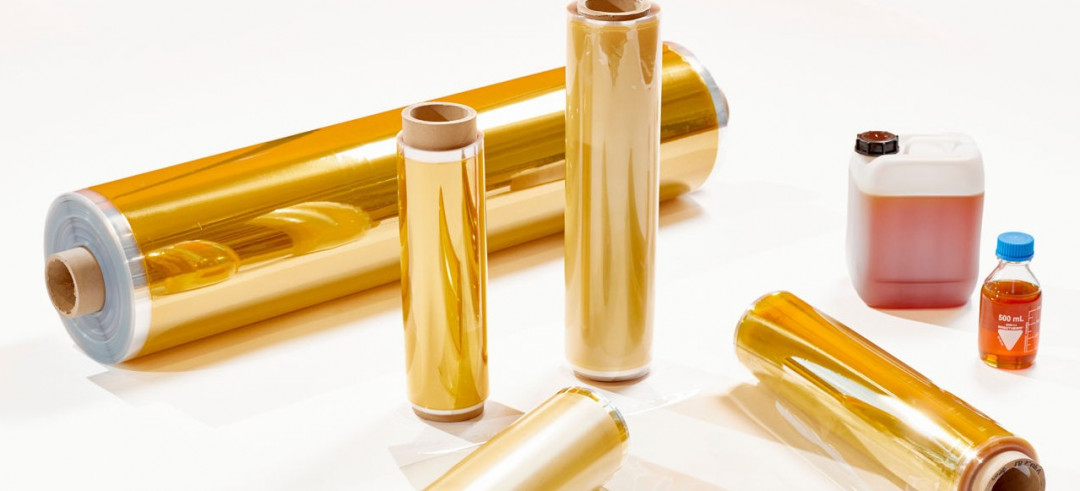
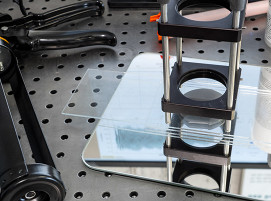
Evonik’s Innovation Factory has opened an Anion Exchange Membrane (AEM) application technology center to test its high-performance Duraion membranes in real-world operating conditions. The Evonik AEM Center Shanghai is the company’s first such facility in the region. Its core mission will be to test and optimize the integration of the high-performance Duraion membranes, which are manufactured at commercial scale in Marl, Germany, under real-life operating conditions to ensure they meet the specific needs of local customers.

“With the establishment of the Evonik AEM Center Shanghai, we are significantly strengthening our ability to address the rapidly growing hydrogen-applications market in China – and also beyond,” says Jack Zhang, Vice President and General Manager Asia Pacific, High Performance Polymers business line. “Being close to customers and partners allows us to better align our AEM technology with market needs, accelerate adoption and scale up hydrogen solutions for commercialization worldwide.” The site will also function as a collaborative hub where the Innovation Factory’s local experts and area partners can work to address technological challenges across the entire AEM electrolysis value chain.

“The AEM center plays a key role in the continued advancement of our AEM technology,” says Dr. Ryan Liu, Director Strategic Projects and Head of RD&I Greater China, “It will enable faster development cycles for Duraion membranes and also a deeper understanding of AEM-based electrolysis systems as a whole.”

Built on Evonik’s expertise in polymer chemistry, membrane technologies and electrochemical materials, the AEM center’s specialized laboratories feature demonstration-scale electrolysis testing capabilities. These include advanced electrolyzer test benches to assess the performance and long-term durability of the membranes under actual operating conditions. Overall, these facilities will support the full validation pathway – from single-cell testing to demonstration-scale systems – ultimately enabling the industrial application of Duraion membranes in AEM electrolysis. Anion Exchange Membrane electrolysis is a process that can generate green hydrogen from water. Compared to other hydrogen electrolysis solutions, it offers great flexibility in power supply and has lower investment costs due to the use of less expensive materials.

(Source: Evonik)

Schlagworte

AEMAnion Exchange MembraneJoining PlasticsJPMembranesPolymers
Verwandte Artikel

08.08.2026

Sustainable Flame Retardant Solutions and New Regulations

The international conference “Trends in Fire Safety and Innovative Flame Retardants for Plastics”, will take place on September 30 and October 1, 2026, at SKZ – The Plast...

Joining Plastics JP PFAS Plastics Polyurethane Recycling Regulations Sustainability
Read more
07.08.2026

Emerging Bioplastics Drive Industry Growth

The innovation of novel bio-based plastics with advantageous material properties looks set to drive continued industry growth moving forward.

Bioplastic Biopolymers Joining Plastics JP PEF PET PHA PLA Plastics Polyethylene Furanoate Polyhydroxyalkanoates Polymers
Read more
The PFAS-free diamond-like carbon (DLC) coating is selectively modified by laser-based microstructuring. The structured surface (right) relieves internal stresses and enables the use of water-based lubricants.
04.08.2026

PFAS-free coatings

Fraunhofer ILT is developing laser-based manufacturing processes for applying PFAS-free functional coatings to metal components, plain bearings, and elastomer rollers.

Alternative Bonds Carbon Chemicals Coating Coatings Components Corrosion Development Energy Forever Chemicals Functional Coatings Gas Heating Industry Laser Laser Processes Laser Technology Lubricants Manufacturing Materials Science Mechanical Engineering Metal PE Plastics Polyamid Polyamide Polymer Polymers Polypropylen Polypropylene Processing Research Sealing Surface Technology Sustainable Technology Thermal Stress TSB
Read more
Am SKZ werden verschiedene zerstörungsfreie Prüfverfahren für Kunststoffe erforscht und in Zusammenarbeit mit Industriepartnern für die industrielle Anwendung weiterentwickelt.
31.07.2026

Zerstörungsfrei prüfen in der Kunststoffindustrie

Die Forschungsgruppe Zerstörungsfreie Prüfung am SKZ untersucht, wie Kunststoffe zuverlässig und beschädigungsfrei geprüft werden können. Ziel ist es, Qualitätsmerkmale f...

Computertomografie Fügen von Kunststoffen Joining Plastics JP Kunststoffe Materialeigenschaften Optische Kohärenztomografie Shearografie Thermografie Ultraschall Zerstörungsfreie Prüfung
Mehr erfahren
Festigkeitsuntersuchung von Kunststoffproben im Labor.
26.07.2026

Schwingfestigkeitsdatenbank für Kunststoffe

Das Fraunhofer-Institut für Betriebsfestigkeit und Systemzuverlässigkeit LBF in Darmstadt macht die Lebensdauer hochbelasteter Kunststoffbauteile früher und sicherer bere...

Bauteile Bauteilentwicklung Fügen von Kunststoffen Joining Plastics Kunststoffbauteile Kunststoffe Materialforschung Schwingfestigkeit Thermoplastische Kunststoffe Weißwarenindustrie
Mehr erfahren