
08.02.2026
International
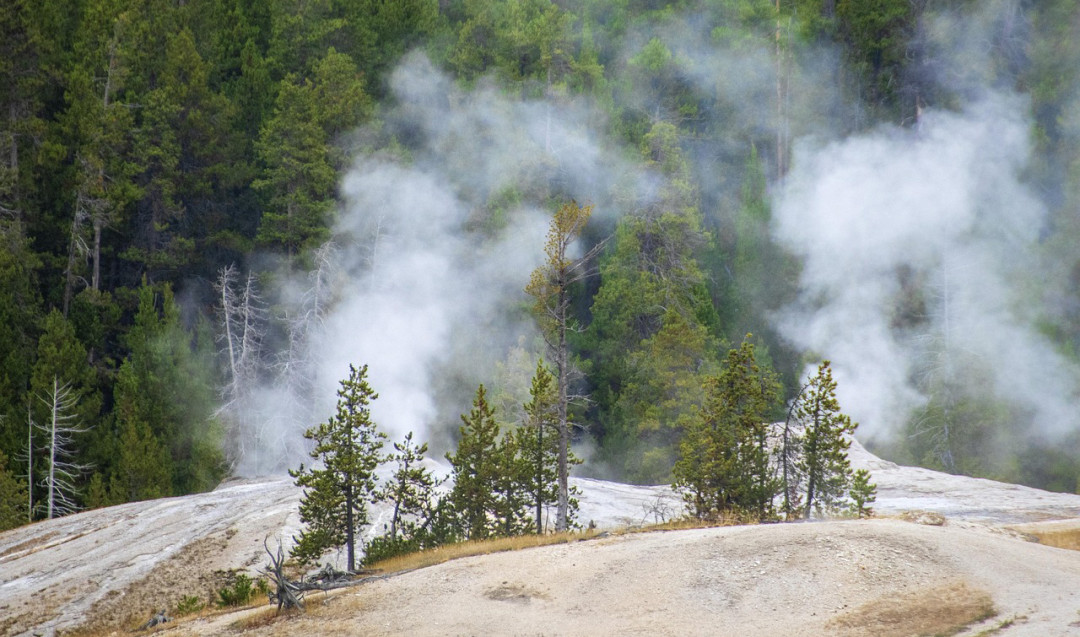
In many places, a vast potential of geothermal energy lies beneath our feet. Geothermal energy uses natural heat present in the ground and thus presents an almost inexhaustible, low-cost and environmentally friendly source of energy. In the future, it could be used to cover up to 25 % of Germany’s demand for heat. A distinction is made between shallow geothermal energy and deep geothermal energy. In 2023, approx. 9 % of the renewable heat that is generated in Germany came from geothermal sources – the equivalent of roughly 26 terawatt hours. Geothermal energy can also be used to generate electricity.
In addition, there is also significant potential for other types of ambient heat to be found in waste water, rivers, lakes or air. Heat storage facilities can be used to store any surplus heat and ease the strain on the energy system.
Geothermal facilities are in the public interest
The Geothermal Energy Acceleration Act is to render the transformation of the heat supply simpler, faster and less bureaucratic. The objective is to accelerate the use of geothermal energy and the rollout of heat pumps, which rely on ambient heat from water, waste water, waste heat or air. It will also be easier to build and use heat storage systems and heat distribution networks. Moreover, the Act transposes the requirements under the Renewable Energy Directive (RED III) into mining and water law. Shorter deadlines, clearer definitions and digital procedures streamline planning and implementation procedures.
A key novelty is the categorisation of the installations as being “in the overriding public interest”, meaning that they are given greater priority in approval procedures. This puts geothermal energy on a par with wind and solar energy; planning approval procedures for heat distribution networks are now also sped up to the same level as those for hydrogen or gas pipelines.
District heating pipelines
District heating pipelines, along with heat generation and storage, are essential for a sustainable heat supply. Approval procedures for large pipes are being streamlined to accelerate the supply of final customers and to support municipalities in their heat planning. Application procedures and formal checks for completeness will have to be conducted in a digital format and set official deadlines will apply; in mining law, the deadline for geothermal installations is generally 12 months.
(Source: Federal Ministery for Economic Affairs and Energy)
Schlagworte
ClimateElectricityEnergyGeothermal Energy Acceleration ActGeothermal HeatGermanyPipesPower GridRenewable EnergySustainability