
31.07.2026
Advertorial
Anzeige
Sponsored: When radioactive materials need to be safely enclosed in containers, every detail counts – especially the weld seam. With TANICS™ R-TIG, a robot-assisted welding system for nuclear applications, and the forceTig® high-performance TIG process from EWM, a new solution has been developed specifically for this challenge: It automates the entire welding process, thereby protecting personnel from radiation exposure and not only offers absolute process reliability, but also delivers reproducible seam quality at the highest level.
Highly radioactive material is transported and stored in sealed stainless steel containers, most of which are welded. Reliable, safe and automated welding solutions are therefore essential to ensure a robust and lifelong seal. With this in mind, a joint venture between Amentum and Langfields Ltd. called TANICS™ has jointly developed TANICS™ R-TIG.
Amentum is a global provider of advanced engineering and technology solutions. The company helps governments and private sectors solve their most complex challenges in science, security and sustainability. Langfields Ltd., based in Salford, UK, specialises in the manufacture of process equipment for industries such as hydrogen, waste-to-energy, pharmaceuticals, petrochemicals and nuclear. The company is recognised for its expertise in advanced welding solutions and has multiple sites across the UK. Both companies came together to form TANICS™, a specialist team developing mechanised welding and Non-Destructive Testing solutions for high integrity industries, TANICS™ R-TIG is one such solution.
Challenges in the nuclear industry
The specially manufactured stainless steel containers for the transport and storage of highly radioactive material must be permanently sealed. The lid is therefore connected to the container by a welded seam. While welding and quality assurance during the manufacture of empty containers is comparatively easy to control, the situation is fundamentally different as soon as nuclear material is inside. Due to the high radiation exposure, nobody is allowed to be in the vicinity of the welding process. The welding of the lid - i.e. the final sealing of the container - must therefore be completely remote-controlled and automated. It takes place in special, shielded areas. Consistently high seam quality is required for the final welding. Until now, systems were used to carry out the welding processes that were only designed for a specific container size and could only be used in specially constructed systems. The necessary flexibility to react to changing requirements for container diameters and seam geometries was lacking - as was the ability to use these systems directly on site. It was also not possible to use systems from the automotive industry, as these industrial robots are designed for standard tasks such as executing stitch seams - but not for the high-quality closure weld seams required for stainless steel containers in the nuclear industry. In addition, they usually do not use tungsten inert gas welding (TIG), which is essential for the required seam quality and process reliability in these safety-critical areas.
Securely seal stainless steel containers
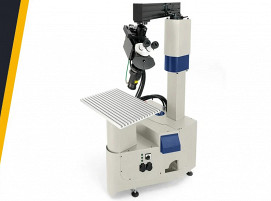
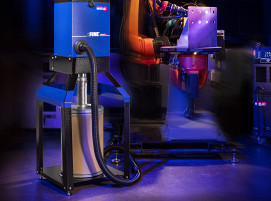
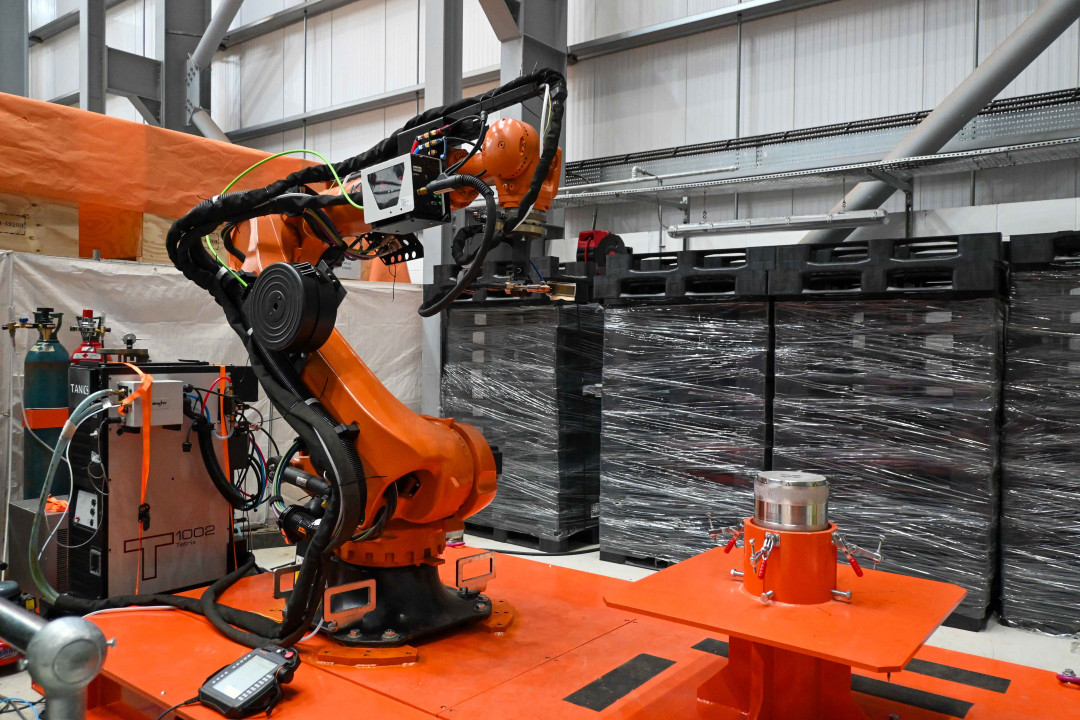
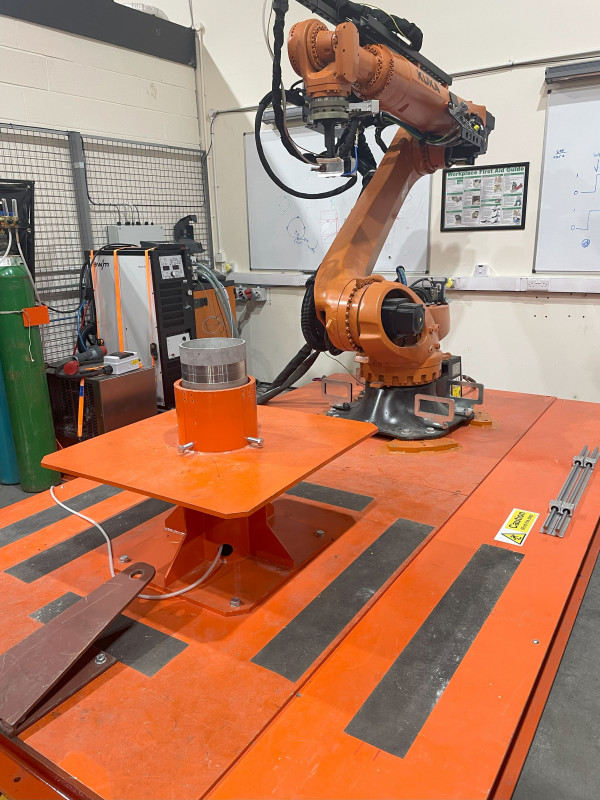
With TANICS™R-TIG, a solution has now been developed for the nuclear industry that enables the remote execution and subsequent inspection of weld seams on containers with radioactive material. TANICS™ R-TIG can produce butt welds with full and partial penetration as well as fillet welds. The robot-assisted welding system moves around the stationary stainless steel container and can adapt flexibly to different diameters and container geometries. The process fulfils the requirements of PD5500 Category 1 and the Sellafield Build Level Specification, which are critical for safe long-term storage in the UK. The robot is equipped with cameras and an inspection system so that the weld seam can be viewed from different angles and the seam quality can be assessed directly. Quality control is supported by comprehensive data management.
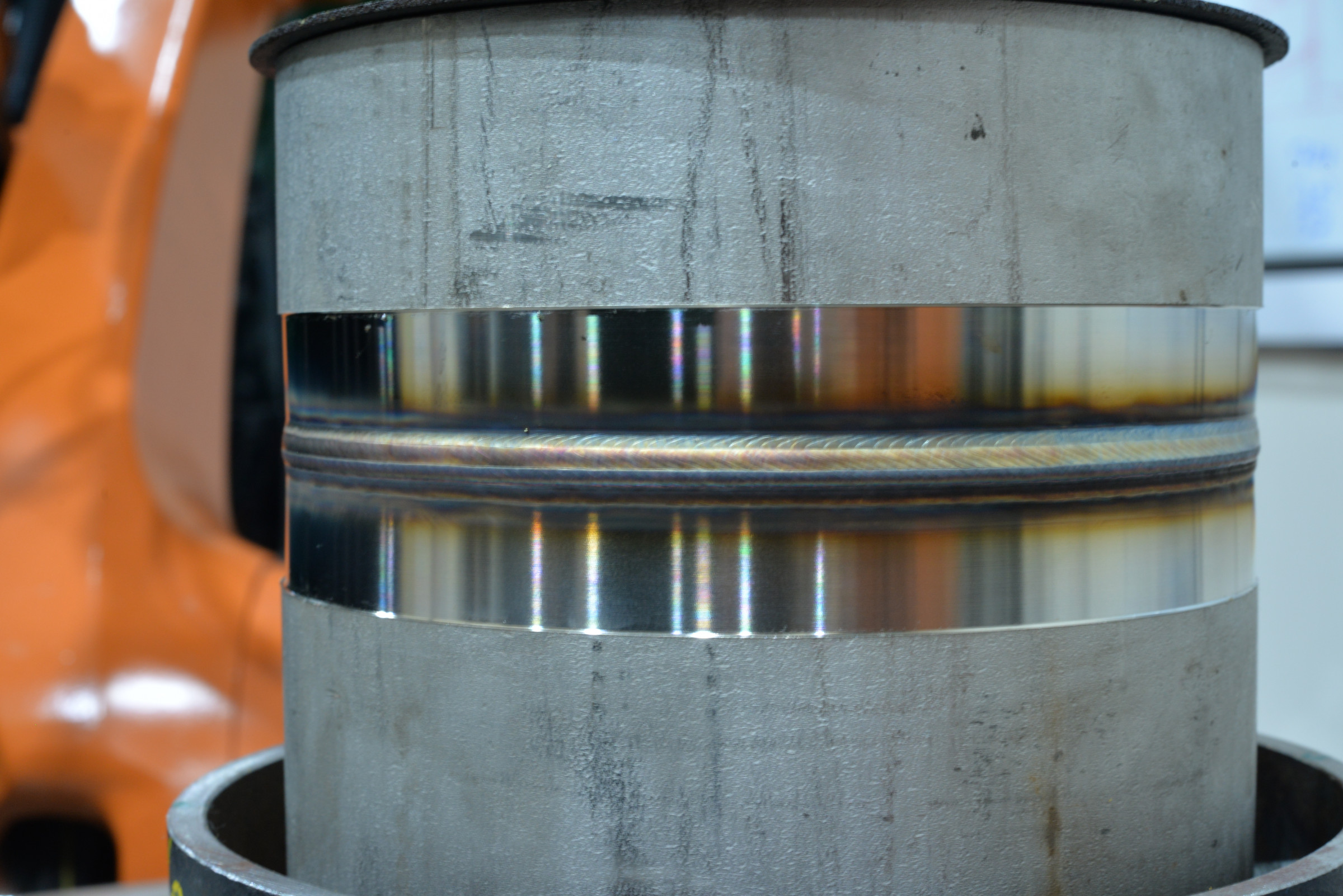
Efficient TIG welding process as an important component of the system
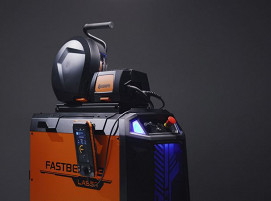
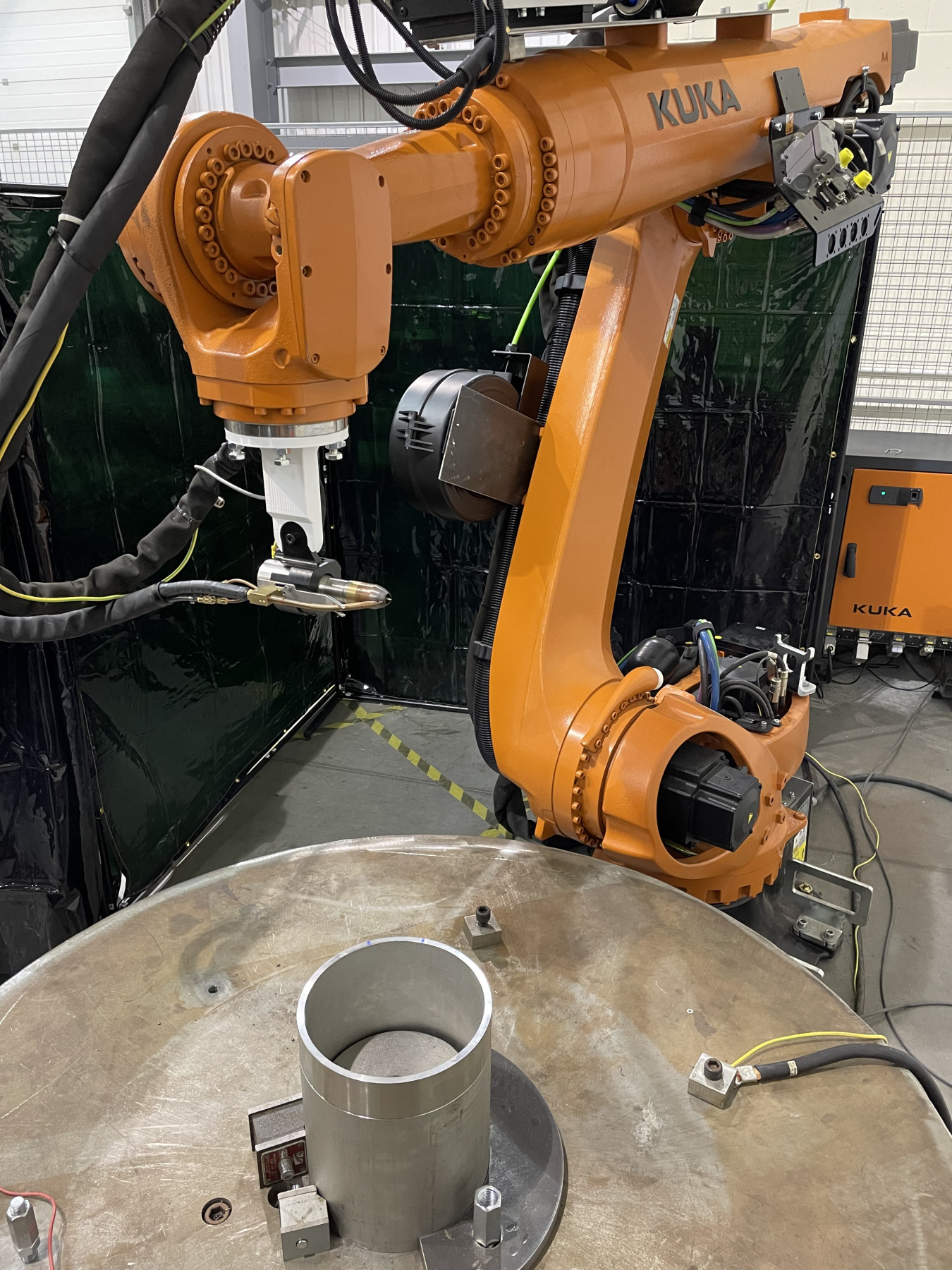
The forceTig® high-performance TIG joining process from EWM makes a significant contribution to the performance of TANICS™ R-TIG. Especially in the nuclear industry, where reliability, reproducibility and process safety have top priority, conventional TIG welding reaches its limits. This is where forceTig® comes in, combining the precision of TIG welding with the efficiency and cost-effectiveness of plasma or laser processes. This is made possible by a highly focussed arc with high energy density, which leads to deep penetration and allows high welding speeds - while at the same time minimising heat input and reducing component distortion. The combination of powerful power sources and special torch and electrode cooling produces welding currents that are far higher than standard solutions. The electrodes are particularly durable and low-maintenance. Together with the concentrated and directionally stable arc, the result is a system that is ideal for automated use.
Advantages for the user
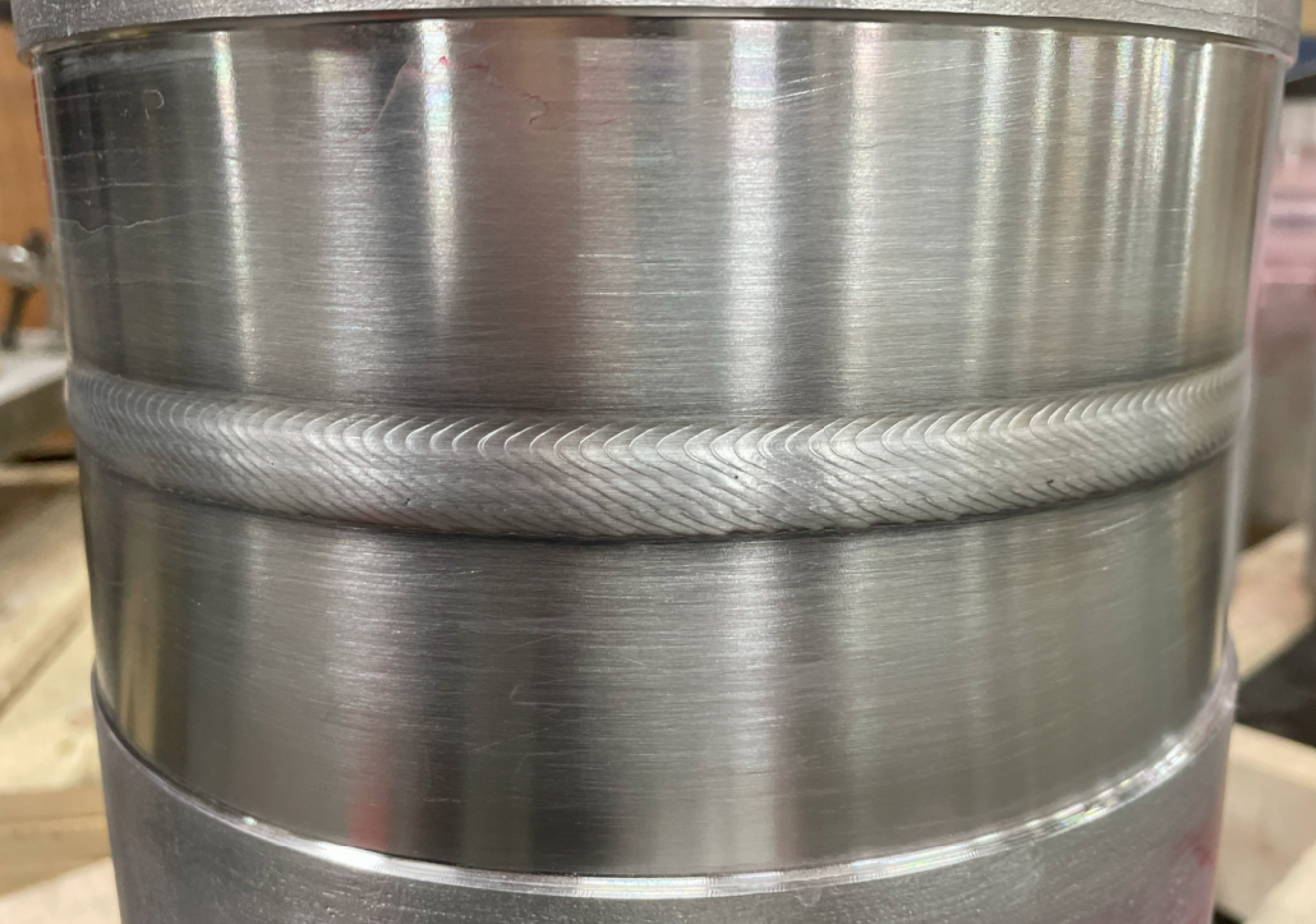
The forceTig® welding process impresses with its reliability and consistently high process quality. Almost all metals of different material thicknesses and gap widths can be welded with it. In conjunction with the TANICS™ solution, the welding process enables precise, reproducible path guidance of the robot, even with complex seam profiles such as curves. This is because the so-called ‘Tool Centre Point’ (TCP), i.e. the central reference point from which the robot calculates its movements, remains constant with forceTig® - even after an electrode change. Another plus point is the quick changeover, as the electrode can be changed in just four simple steps. Setting gauges are not required. TANICS™ R-TIG is able to weld butt welds with a unique system that displaces the oxygen within a cylinder. This effectively eliminates the risk of oxidation at the root of the weld seam. This eliminates the need for time-consuming reworking. In combination with the robot-assisted control system, the result is a highly automated complete solution that is reliable and economical and poses no risk to the operating personnel - from seam preparation and the welding process through to the subsequent inspection.
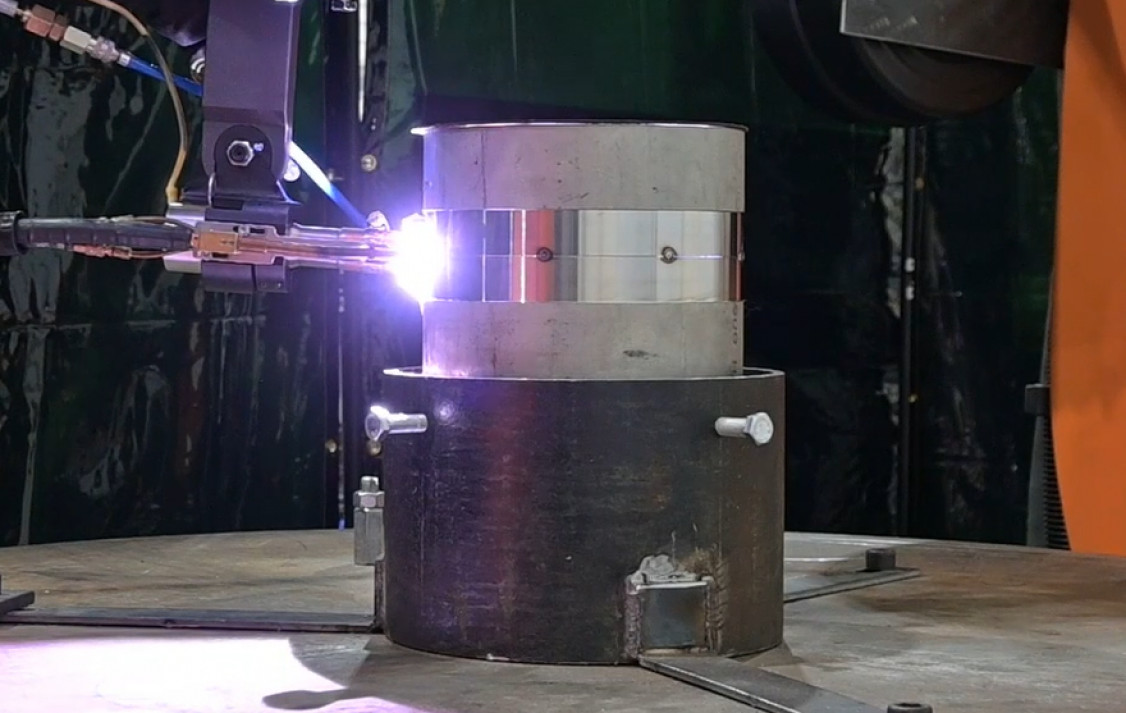
Another advantage: TANICS™ R-TIG is designed to be mobile and can be used at almost any location. ‘In an environment with high radiation exposure, human interaction must be minimised,’ says Alan Cauchi, Managing Director at EWM UK. ‘That's why you need an automated process that works reliably. With the integration of forceTig® into TANICS™ R-TIG, we have achieved just that - a robust process that produces full penetration in just one pass.
Conclusion and outlook
TANICS™ R-TIG is a practical answer to the challenges of the nuclear and other high integrity industries. It enables the precise, reproducible and flawless sealing of stainless steel containers - an essential prerequisite for the safe transport and long-term storage of nuclear and chemical materials. The system not only ensures the highest weld seam quality, but also protects personnel, as the process is automated and exposure to hazardous environments can be minimised. The solution was developed to meet the specific requirements of nuclear power plant decommissioning in the UK and is qualified to both the european harmonised standard as well as ASME. As a result, it has the potential to be used successfully beyond national borders, as many countries face similar challenges when dealing with radioactive materials. The recommendation of the system by welding experts from Sellafield Ltd, a leading nuclear decommissioning and waste management client in the UK, emphasises the importance of and confidence in this technology.
(Source: EWM GmbH)
Schlagworte
AMAutomotiveContainersEWMFumesGasIndustrial RobotsLaser Arc WeldingLaser WeldingMetalPlasmaRobotsStandardsTIGWaste ManagementWeld SeamWeld Seam PreperationWelding ProcessWelding RobotsWIG