
08.10.2026
Wissenswertes
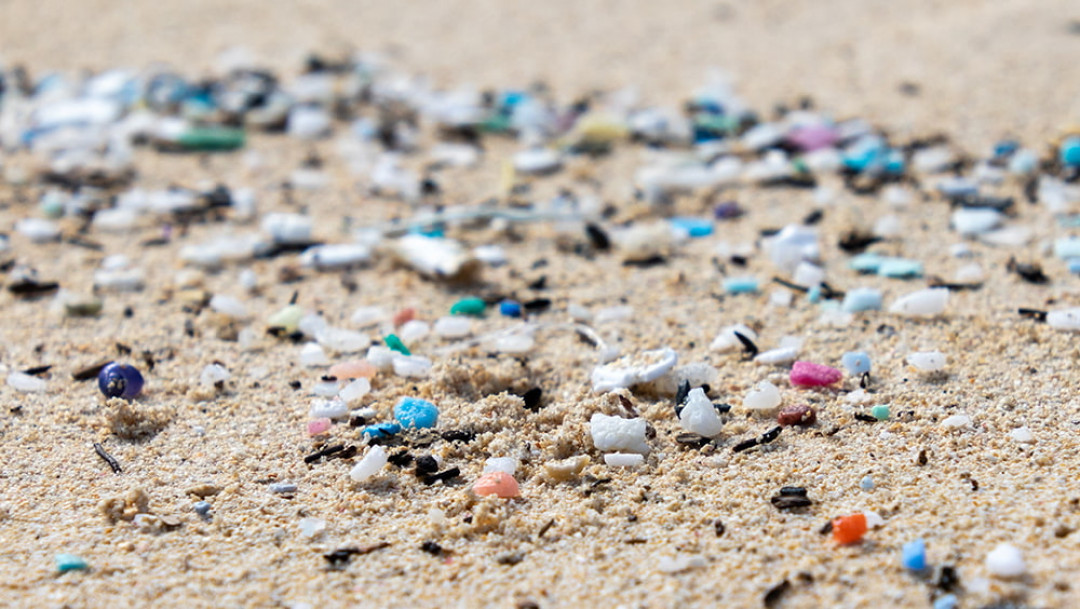
The regulation of microplastics is currently emerging as a key compliance issue for the plastics industry. With the REACH microplastics restriction and the new Pellet Loss Regulation, the European Union is establishing a comprehensive legal framework that affects the entire plastics value chain – far beyond just manufacturers. The SKZ Plastics Center supports companies in this regard with targeted, practice-oriented training, implementation and certification services.
EU regulations putting pressure plastics industry
Microplastics are no longer just an environmental problem, but a concrete regulatory and organisational challenge for the plastics industry. The REACH restriction on synthetic polymer microparticles and the Pellet Loss Regulation simultaneously address materials, products, and operational processes. This increases the requirements for data quality, documentation, emission assessment and preventive measures throughout the entire value chain. Translating the legal requirements into operational reality is particularly challenging.
Definitions, exemptions, and transition periods must be examined, as must potential release points, internal responsibilities and documentation requirements. Companies therefore need not only an overview of the regulation’s requirements but also a structured path from assessing their applicability to effective loss prevention.
From regulation to practical implementation
For many companies, specific questions arise: Which companies and processes fall under the regulation? Which exemptions apply? What data must be collected and documented? The SKZ supports companies in this process with targeted training and certification programmes, ranging from teaching the fundamentals of regulation to the practical implementation of measures to prevent granulate loss. “It is crucial not to view the legal requirements in isolation, but to apply them to the specific products, materials and processes within the company. We want to provide companies with clear guidance and concrete recommendations for practical action,” says Heicke Gaedeke, Senior Engineer at the SKZ Plastics Center.
EU Microplastics Regulation: understanding new obligations and implemention
With the REACH microplastics restriction (REACH Regulation (EC) No. 1907/2006, Annex XVII, Entry 78) and the Pellet Loss Regulation (EU) 2025/2365, new information, reporting and due diligence obligations are coming into focus for numerous companies in the plastics value chain. The SKZ course “EU Microplastics Regulation” provides a concise and practical overview of the requirements facing manufacturers, processors, recyclers, distributors and importers, and how these can be implemented early on. Using concrete real-world examples, participants gain a clear understanding of regulatory developments, reporting obligations and effective measures for preventing microplastic emissions.
Pellet Loss Officer: taking responsibility, preventing losses
For those who wish to successfully integrate the requirements of the Pellet Loss Regulation into their operational practices, the “Pellet Loss Officer” course offers the ideal next step. Building on the regulatory fundamentals, participants learn to systematically identify sources of loss, conduct hotspot analyses and develop robust risk management plans. Workshops, on-site inspections and ready-to-use templates help participants efficiently integrate legal requirements into existing management systems and sustainably reduce pellet losses.
Systematically preventing granulate losses
The Operation Clean Sweep (OCS) certification standard, published in 2022, offers an established voluntary approach to preventing granulate losses. Developed by Plastics Europe and the European Plastics Converters Association (EuPC), this initiative aims to prevent losses of plastic granules, flakes and powders throughout the entire value chain. OCS certification defines best practices and verifiable requirements for companies in the plastics industry. The goal is to identify sources of loss and eliminate them permanently.
“OCS addresses the points where losses occur and supports companies in systematically identifying and preventing them. In light of current European regulations, this preventive approach is becoming even more important. At the same time, the certification serves as a valuable quality mark that builds trust and can give companies a competitive advantage,” explains Alexander Ebenbeck, Head of Business & Sales Development at the SKZ Plastics Center.
Early action ensures security
The new EU regulations make it clear: The responsible handling of microplastics and plastic pellets is becoming an integral part of corporate due diligence. It is therefore crucial not only to fulfill individual obligations but also to permanently embed prevention, risk management and training into operational processes. The SKZ offers the necessary expertise, field-tested tools and expert guidance for implementation.
(Source: SKZ - The Plastics Center)
Schlagworte
CertificationEUEuropean RegulationsEuropean UnionJoining PlaticsJPMicroplasticsOperation Clean SweepPellet Loss RegulationPlasticsPolymersREACH