
International
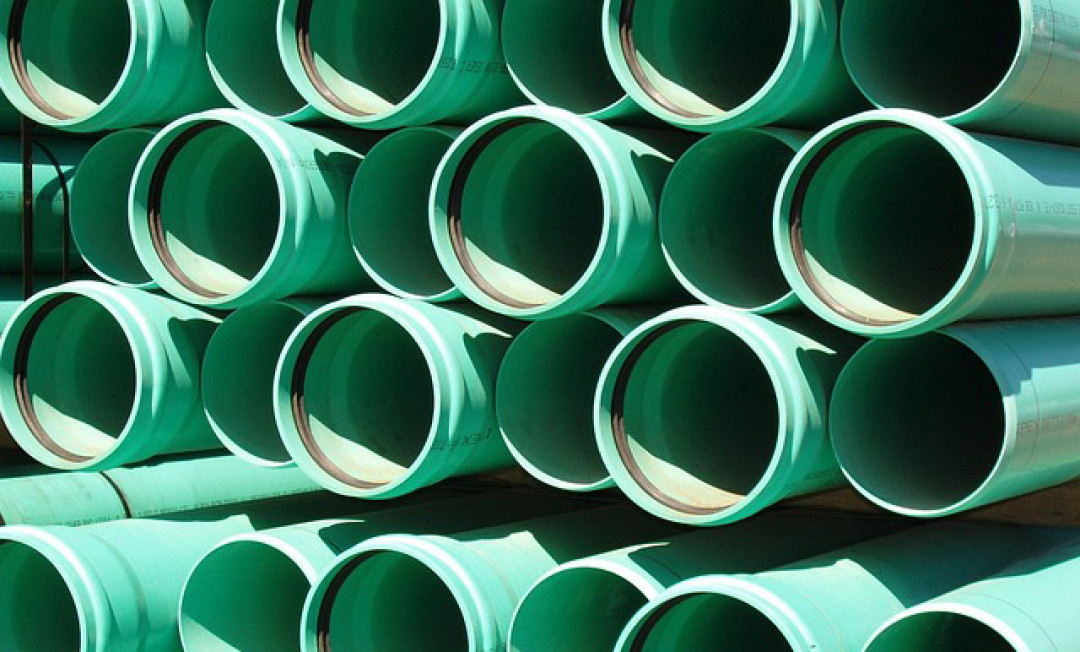
© pixabay/PublicDomainPictures
17.03.2026

Thermoplastic CO2 Permeation Project

Carbon capture and storage applications as well as those related to enhanced oil recovery that include steel pipe remediation or liners for thermoplastic composite pipes require an assessment of the barrier properties of thermoplastic polymers. These assessments establish the effectiveness of thermoplastic materials as barrier layers against impurities in CO2 feedstock, such as water vapour, ammonia, nitrous oxide, hydrogen and hydrogen sulphide.

These barriers reduce the rate of arrival of corrosive species at load bearing steel supports and base pipes. However, CO2 fluid compositions can vary between locations, creating potentially high costs to establish how each fluid composition impacts thermoplastic systems on a case-by-case basis.

This new project Combined Permeation of Pressurised CO2 with Impurities through Thermoplastics will establish whether some impurities are selectively blocked by the internal structure of the thermoplastic resin, allowing them to be excluded from future screening studies. Experts will conduct research to create guidance around which impurities within CO2 compositions are most relevant when assessing the barrier properties and ageing of thermoplastics from the polyethylene, polyphenylene sulphide or polyvinylidiene families.

Determining if the transport of these impurity species leads to ageing in the thermoplastic matrix helps identify which compositions should be evaluated for their barrier properties and ageing behavior in thermoplastics. The outcomes of this research, which will be conducted at TWI's permeation facility, will be made available to the project sponsors, who will also be able to determine which thermoplastic materials are tested.

More information

(Source: TWI)

Schlagworte

CO2Joining PlasticsPipesPlasticsThermoplastics
Verwandte Artikel

03.05.2026

IIW Commission XVI: Focus on Polymer Joining and Adhesive Technology

Ahead of the 79th IIW Annual Assembly & International Conference the International Institute of Welding (IIW) is highlighting the work of Commission XVI – Polymer Joining...

Adhesives Aerospace Automotive IIW International Institute of Welding Joining Joining Plastics JP Lightweight Construction Mulimaterial Polymer-Based Material Polymers Sustainable Manufacturing Welding
Read more
02.05.2026

Customized Light Performance for Electromobility

Rowa has developed a specially designed masterbatch that is used in a new protective cover for vehicle charging sockets.

E-Mobility Electromobility Joining Plastics JP Plastics Polymers Polypropylene
Read more
02.05.2026

Mehr Prozessstabilität durch neue bürstenlose Motorentechnologie

Die neuen bürstenlosen Motoren werden vollständig unternehmensintern entwickelt und gefertigt. Sie sind gezielt für den Einsatz in Leister Schweißgeräten ausgelegt.

Antriebstechnik Bürstenlose Motoren Energieeffizienz Fügen von Kunststoffen Joining Plastics JP Kunststoffschweißen Prozessstabilität Schweißen Schweißgeräte
Mehr erfahren
v. l. n. r.: Dr. Claus Schnitzler, Ulrich Berners, Dr. Jochen Stollenwerk, Dr. Lutz Aschke, Gwenn Pallier, Dr. Tobias Dyck, Dr. Oliver Haupt, Kristina zur Mühlen, Dr. Markus Kogel-Hollacher
24.04.2026

Innovationen aus der Lasertechnik für die Industrie

Alle zwei Jahre zeichnet der Arbeitskreis Lasertechnik e. V. Innovationen im Bereich der Lasertechnik aus. Am 22. April wurde der Preis im Rahmen des „AKL’26 – Internati...

Auszeichnung Award CO2 CO2 Emission Industrie Innovation Lasertechnik Luftfahrt Mikrostruktur UKP-Laser Ultrakurzpulslaser
Mehr erfahren
22.04.2026

Ceresana Forecasts the Growing Global Adhesives Market

Ceresana has analyzed the global adhesives market for the seventh time: According to the market research institute, vinyl could see even further growth, particularly in p...

Adhesive Technology Adhesives Automotive Batteries Bonding E-Mobility Elastomer Epoxy Joining Plastics JP Market Data Plastics Polyurethane PU PUR PVA PVAC Wind Turbines
Read more