
26.06.2024
International
TRUMPF Develops Laser Processes for E-Car Battery Recycling
Carmakers and battery manufacturers can now recycle used or defective batteries from electric cars on an industrial scale using laser technology from TRUMPF. The high-tech company develops laser systems that cut used batteries safely and remove the valuable raw materials from the battery foil. Recycling batteries makes ecological sense and, thanks to laser technology, can now also be implemented economically.
“We have been working with all leading car and battery manufacturers for years. We incorporated this experience into the development of the new processes,” says Hagen Zimer, CEO of Laser Technology at TRUMPF.
A large market for recycling e-car batteries
Without valuable raw materials such as cobalt, lithium or nickel, there are currently no electric car batteries. However, the extraction of these raw materials is expensive and not always sustainable. Manufacturers also have to accept long and uncertain supply chains. In addition, the EU requires a recycling rate of up to 90 per cent for batteries. “The industry therefore has to recycle on a large scale. The emerging market for laser processes for recycling batteries is huge,” says Alexander Sauer, head of the Fraunhofer Institute for Manufacturing Engineering and Automation IPA. In Europe alone, the industry will have to recycle 570,000 tons of battery material annually from 2030.
Lasers ensure high recycling rates
The electrodes for new battery cells are created as foil strips coated with valuable materials such as cobalt and nickel. In a future recycling plant, laser processes can remove the wafer-thin layer from the foil. Manufacturers can collect the valuable dust and process it for new coatings. Until now, it was not uncommon for large amounts of coated foils to end up as waste.
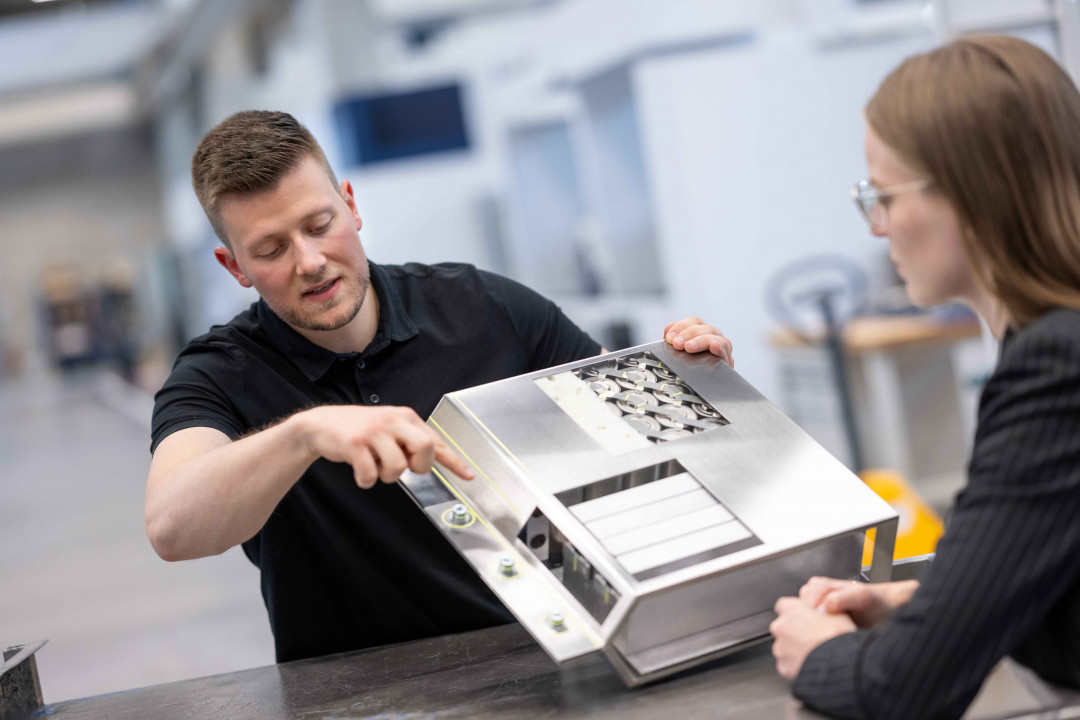
In the future, laser technology could also be used to recycle battery packs. Laser technology is the only way to ensure efficient and automated dismantling, for example to remove the covers from batteries or to cut off cables. The raw materials can subsequently be sorted and still usable battery cells separated and reused directly.
(Source: Trumpf SE + Co. KG Press Release)
Schlagworte
Battery TechnologyLaser TechnologyRecycling