
06.09.2026
Companies
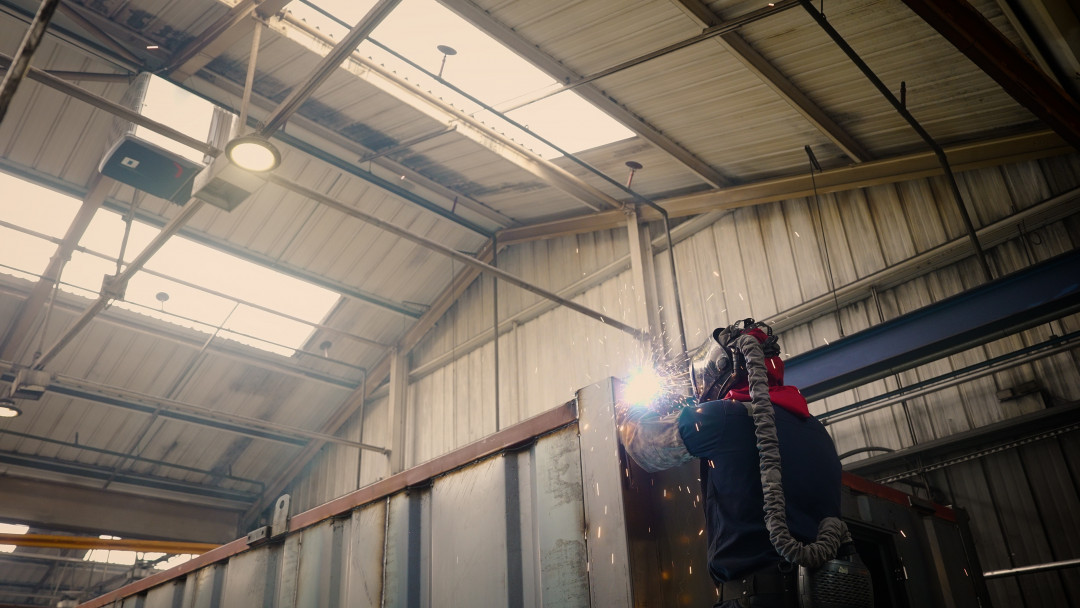
Metal fabrication specialist Stackright from Skelmersdale, West Lancashire, UK, achieved an average reduction of 76 % in airborne particulate levels across its production facility, while peak concentrations fell by almost 85 % following the introduction of an ambient air cleaning system. Stackright manufactures engineered portable cabins and modular buildings for a range of commercial sectors. Welding, cutting, fabrication, packing and logistics all take place within the same shared production environment.
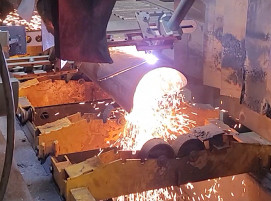
As output increased, managing airborne contamination beyond the processes where it originated became difficult. Residual welding fume and metal dust could circulate throughout the wider production hall, including areas away from the processes where they originated. Particles that remained suspended within the shared, open-plan environment eventually settled on fixed structures and horizontal surfaces. The practical impact included additional cleaning and preparation ahead of customer visits.
Stackright asked Zehnder Clean Air Solutions to assess how airborne particles were moving through the production hall. The Zehnder system was then designed to reduce contaminants that were not captured at source and continued to circulate following welding, grinding and cutting processes. Source extraction remains essential for capturing emissions as close as possible to the process. Ambient air cleaning adds a further layer of control by continuously filtering residual particles that can circulate through shared working areas.
Proof was on camera
The first indication of the change did not come from a measurement report. It came from Stackright's own CCTV system. Footage recorded before installation showed visible particles and contaminants drifting through the production hall. In-house footage recorded once the units were operational showed a marked reduction in visible airborne dust.
“The biggest surprise wasn’t just what we felt, it was what we saw. Watching our CCTV footage after the Zehnder units were installed, the airborne waste had virtually disappeared. It completely changed how we viewed our working environment,” Simon Greenwood, Stackright SHEQ Manager, stated. Air quality monitoring later confirmed the visual improvement observed on site. Average airborne particulate levels were 76 % lower, while measured peak concentrations were almost 85 % lower.
Cleaner air, smoother operations
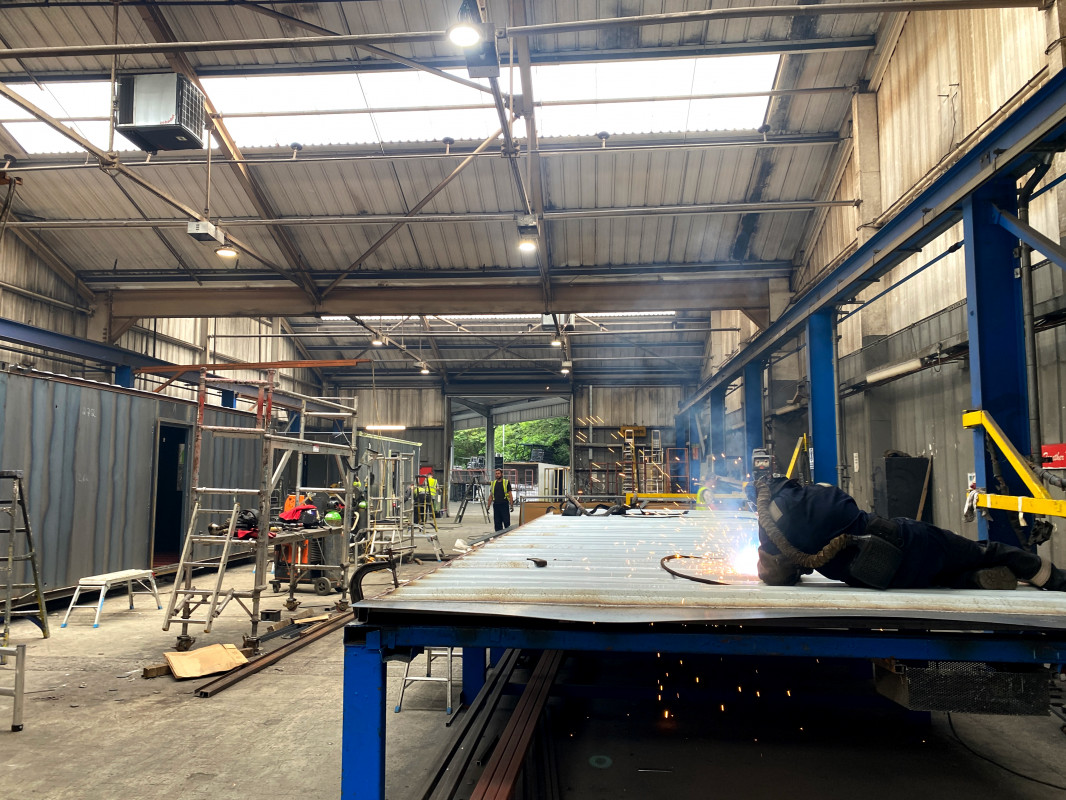
Stackright reported a number of operational benefits beyond the measured air quality improvements. Production areas required less cleaning before customer visits, reducing the time spent on housekeeping. Previously, welding operations would typically pause before site walk-rounds to allow airborne fumes to disperse. Stackright reported that this was no longer necessary after the system was installed. The company also observed less migration of welding fume and metal dust into adjacent production areas. This contributed to cleaner working conditions across the shared facility, including areas beyond the immediate welding zones.
For Stackright, the project supported its wider aims around workplace culture, employee confidence, customer audits and future growth. With Zehnder ambient air cleaning, Stackright addressed airborne contamination at two levels: By combining its existing control methods with ambient air cleaning, Stackright addressed airborne contamination at two levels: close to the process and across the wider facility. The result was a working environment that better reflected the quality and professionalism of the products manufactured on site.
(Source: Zehnder Group International AG)
Schlagworte
Airborne PollutionAmbient AirCuttingVentilationWeldingWelding FumesWorkplace Safety