
22.04.2026
International
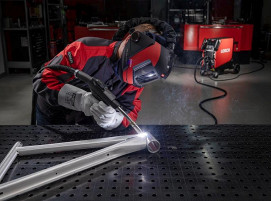
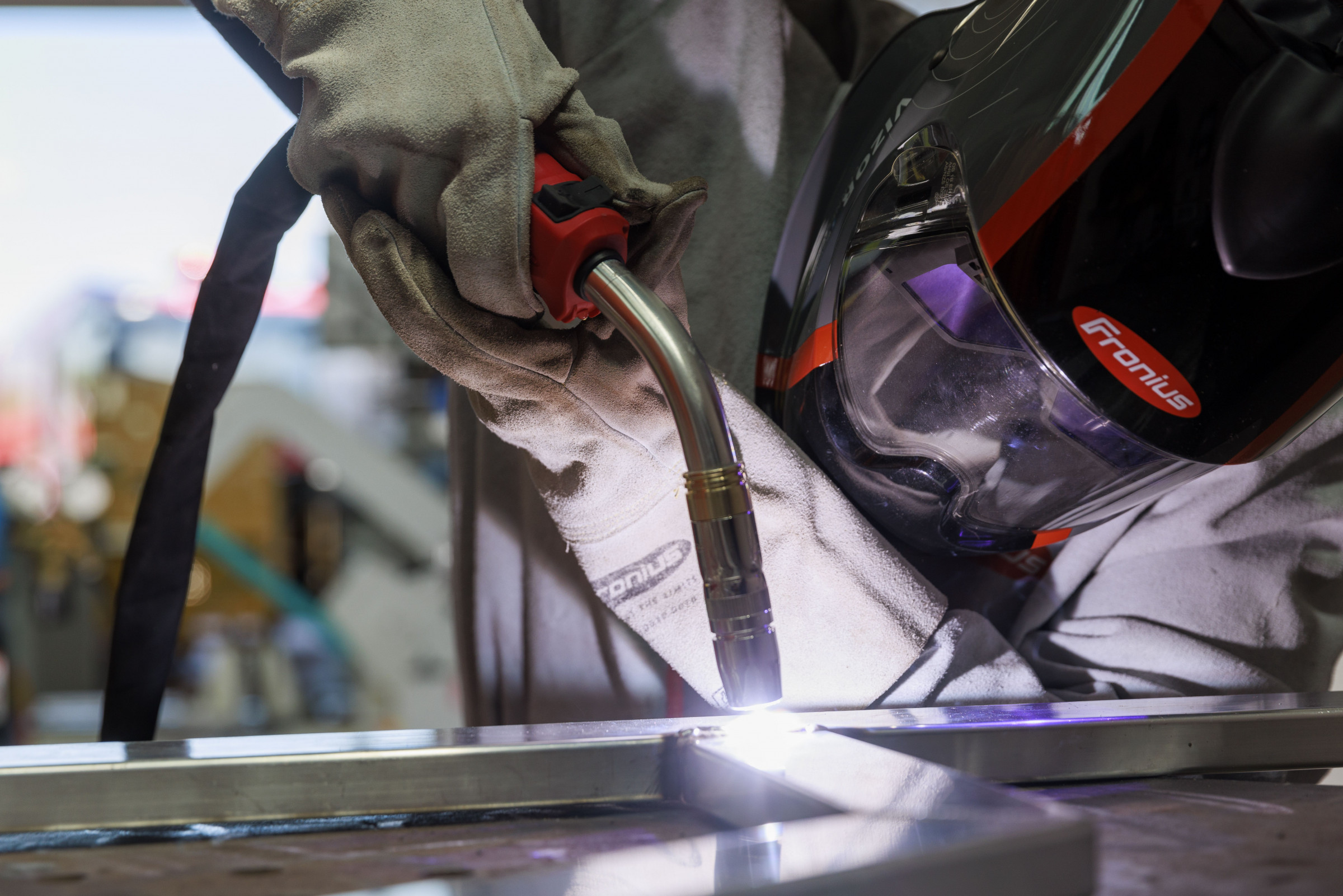
While automation continues to grow, manual MIG/MAG welding still plays a critical role across a wide range of manufacturing and production environments. MIG/MAG welding is one of the most widely used processes in industrial metalworking. When high welding speeds, productivity and versatility are required, the arc welding process can be used for a wide range of applications. Easy handling combined with high deposition rates makes manual MIG/MAG welding the preferred process for steel, aluminium and CrNi applications.
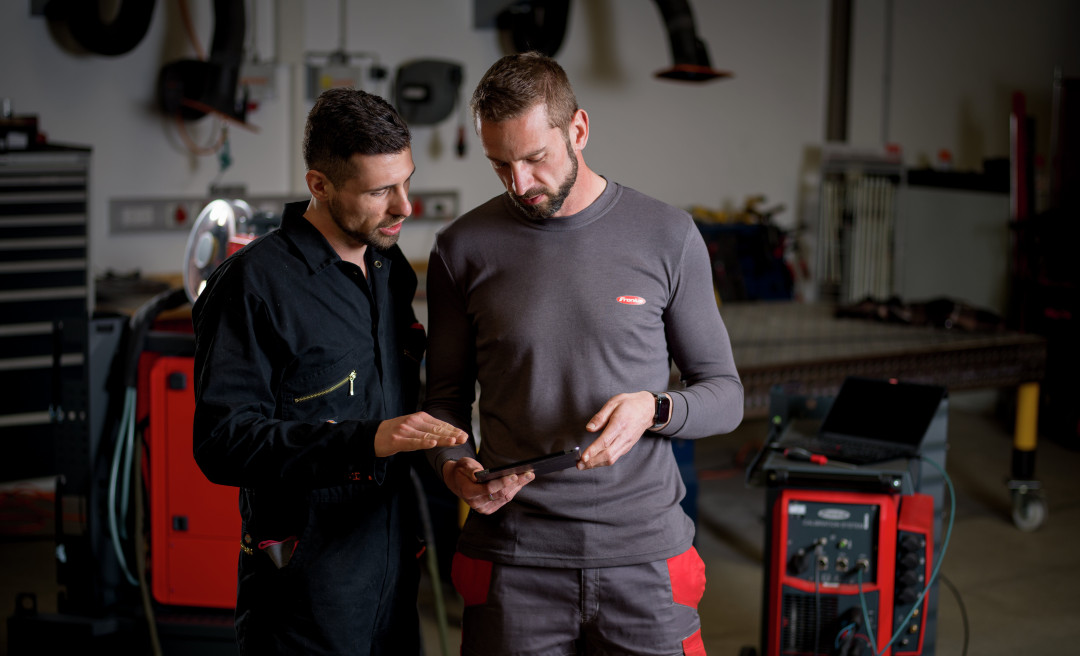
As production processes, maintenance, assembly and repairs grow more complex, and as welders are called upon to adapt with greater flexibility, manual welding is experiencing a resurgence in relevance. “During operation, every welding task is different. Materials, components and requirements are constantly changing. That’s why we have developed solutions that can be flexibly adapted and deliver reliable results,” emphasizes Philipp Schlor, Product Manager at Fronius International. Two of these welding machines are the Fortis and the TPS/i, which feature modern process control, intuitive operation and maximum arc stability.
Fortis and TPS/i: MIG/MAG solution for every job
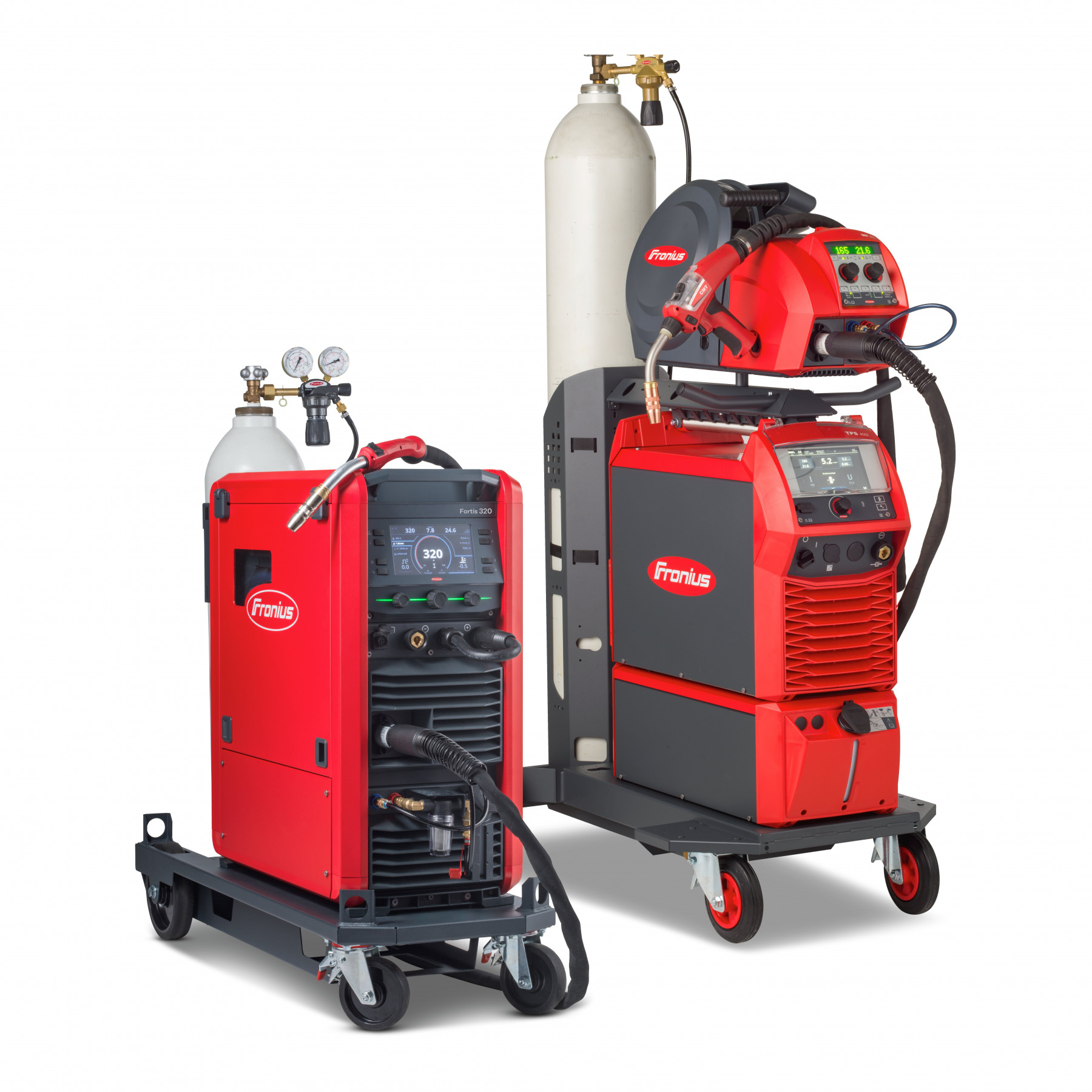
The Fortis and TPS/i welding systems designed for use in production deliberately address different requirements, but are characterized by Fronius technology. A stable arc and durable quality are standard features. Choosing the right device depends on the individual welding requirements.
Welding tasks are often a challenge, especially for small and medium-sized companies (SMEs). These tasks and the required welding processes sometimes change on a daily basis. With an output of up to 500 A, standard and pulse welding processes, a duo version, multiprocess capability and full connectivity, the Fronius Fortis is engineered to meet the demands of everyday welding operations.
It can handle all standard tasks, but for more complex requirements, the TPS/i is the recommended tool of choice. The available special processes Cold Metal Transfer (CMT), Low Spatter Control (LSC), or Pulse Multi Control (PMC) not only ensure a stable arc and minimal spattering thanks to their assistance systems and special characteristics, but also enable welding light gage sheets or heat-sensitive joints. With an output of up to 600 A, PushPull capability and a FlexDrive for long distances, the TPS/i is an all-in-one solution for tackling complex manual welding tasks.
Thanks to its compatibility with the new Fronius Velocity Assistant (Velo) the TPS/i is also the ideal choice for applications with long weld seams. Velo supports welders in many ways, but especially with weld seams of this type, as the assistant specifies and maintains the welding speed and welding torch distance. This enables higher welding speeds with consistent quality.
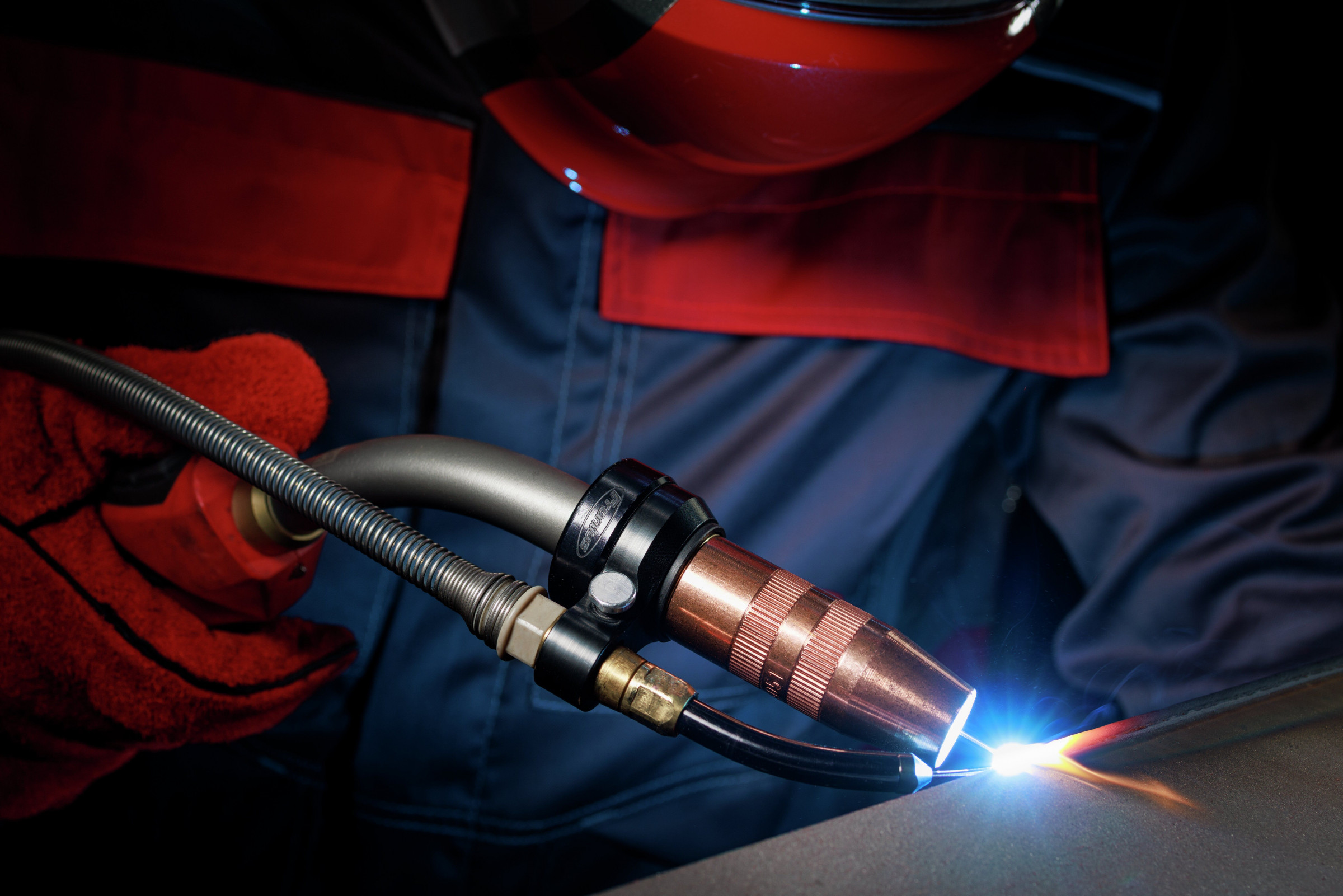
Manual MIG/MAG welding solutions from a single source
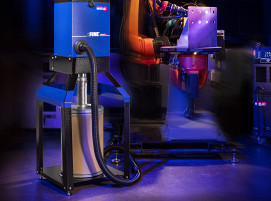
“On request, additional services such as welding tests, support during commissioning or regular device inspections can be provided to ensure a long service life and consistent quality,” says Philipp Schlor, summarizing the “everything from a single source” concept at Fronius. With more than 60 welding torch variants in different configurations, alongside protective equipment and extraction systems, the comfort and safety of welders is never compromised.
Thanks to their integrated connectivity, both the Fortis and the TPS/i work seamlessly with WeldCube, the data management software solution from Fronius. This enables transparent, fully documented welding processes, reduces sources of error and increases efficiency in day-to-day work. The WeldCube Navigator provides step-by-step guidance for workflows, while WeldCube Air and WeldCube Premium provide analyses for quality assessment, traceabilit, and process optimization. In addition, access to the welding machines is managed via the central user management.
(Source: Fronius International GmbH)
Schlagworte
CMTCold Metal TransferLow Spatter ControlLSCManual WeldingMIG/MAGPMCPulse Multi ControlSMETIGWeldingWelding Torch