
28.05.2026
International
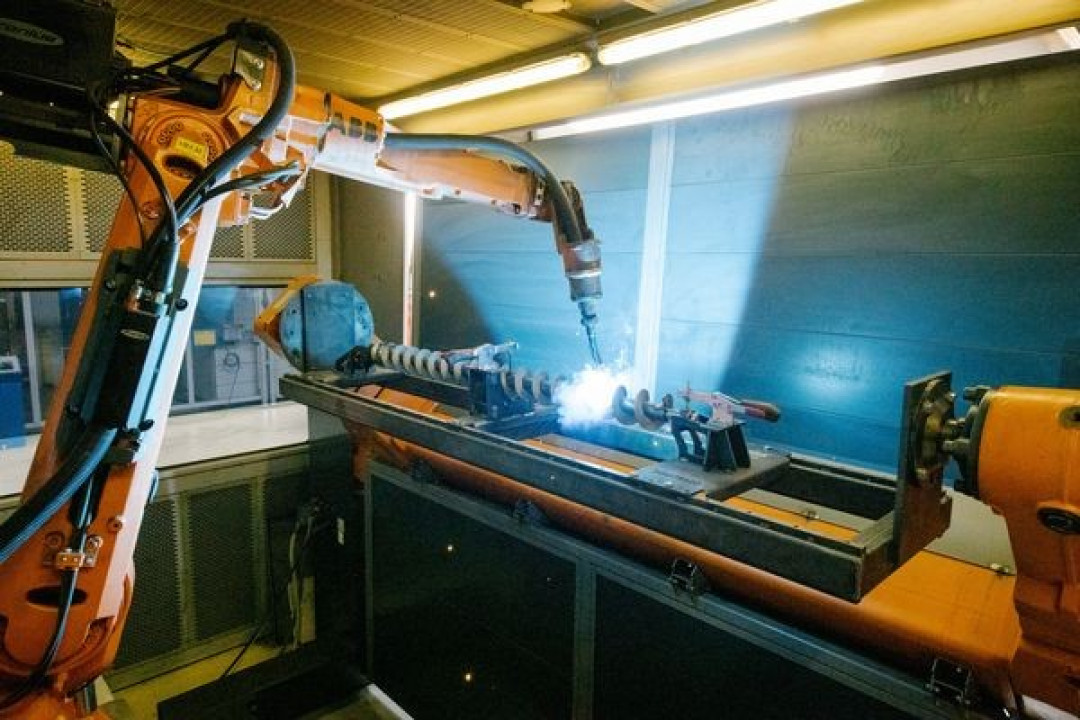
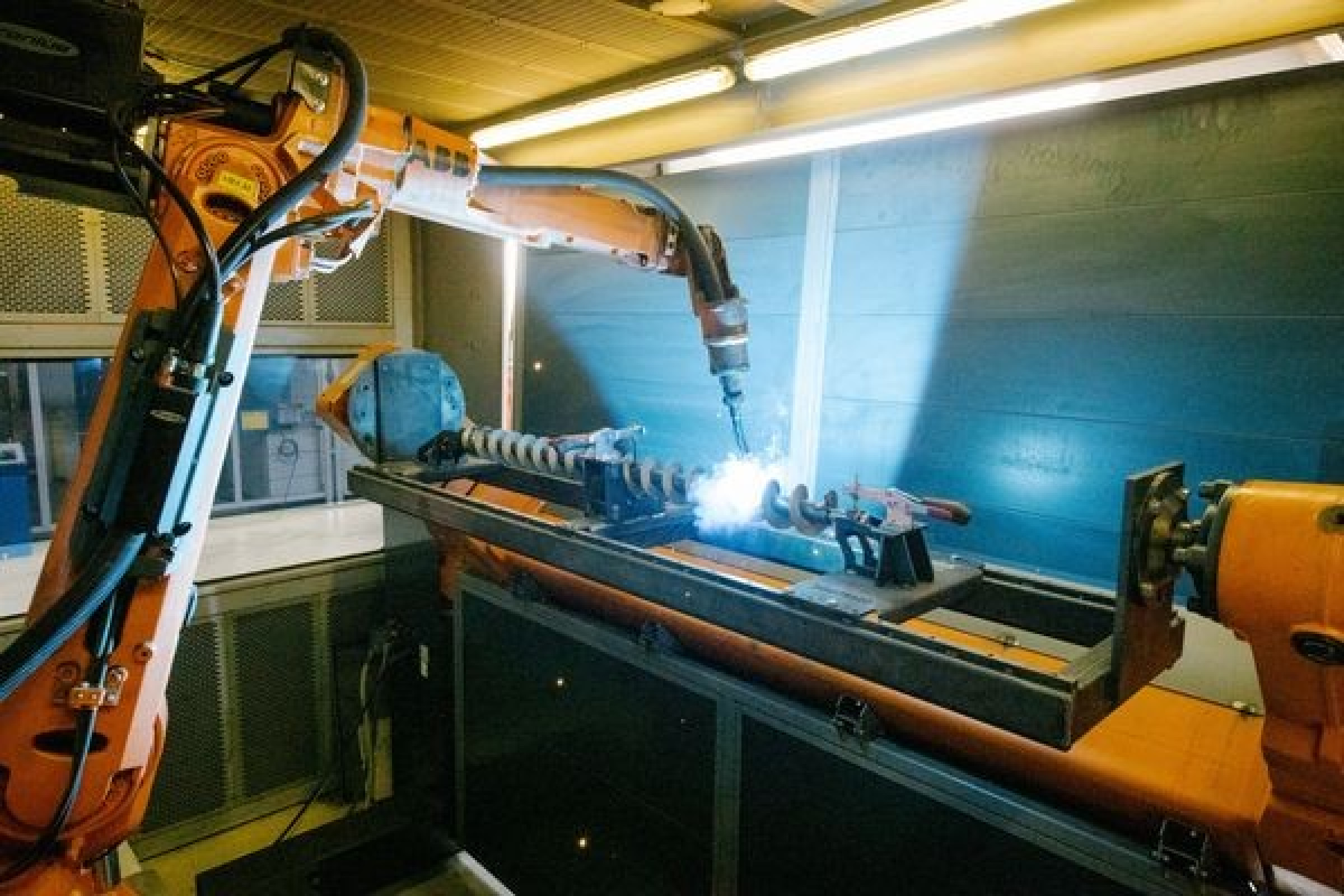
Hargassner and Fronius are driving the energy transition, each in their own field but united in their approach. This is reflected in products such as the TPS/i welding machine platform from Fronius or the heating systems with Eco-control from Hargassner.
A co-evolution, connected by technology
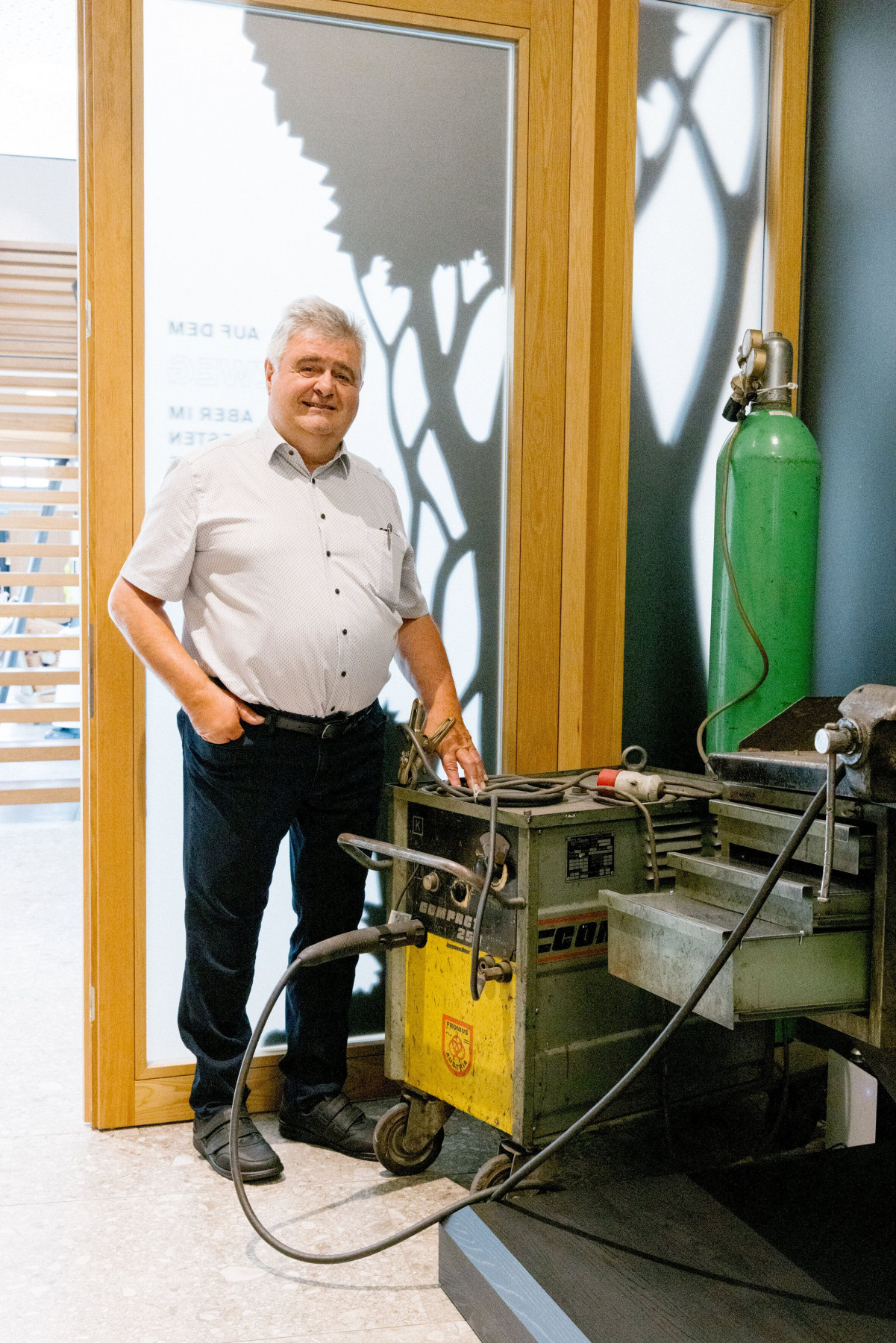
This partnership began in the 1980s, when Hargassner first opted for the Fronius Compact 250. This system had a reputation for long service life and reliability and, thanks to its robustness, could still be used today. Even back then Fronius technical solutions, such as the Teflon inner liner in the wire feed system ensured a uniform wire transport and reduced friction in the hosepack, which is an advantage especially with sensitive filler metals such as aluminum.
The machine also had a type of “automatic programme”: current and voltage were automatically derived from the individually set wire speed, a principle that is regarded as an early forerunner of synergic welding. This function links and dynamically adapts the welding parameters. As Anton Hargassner Senior recalls: “We tested a large number of welding machines at the time but Fronius clearly came out on top. The Compact 250 was so reliable that we bought quite a few machines. We have been firm fans of Fronius technology ever since. My sons, who have since taken over the management of the company, are equally as enthusiastic about Fronius.”
Future-oriented welding technology is part of the quality strategy
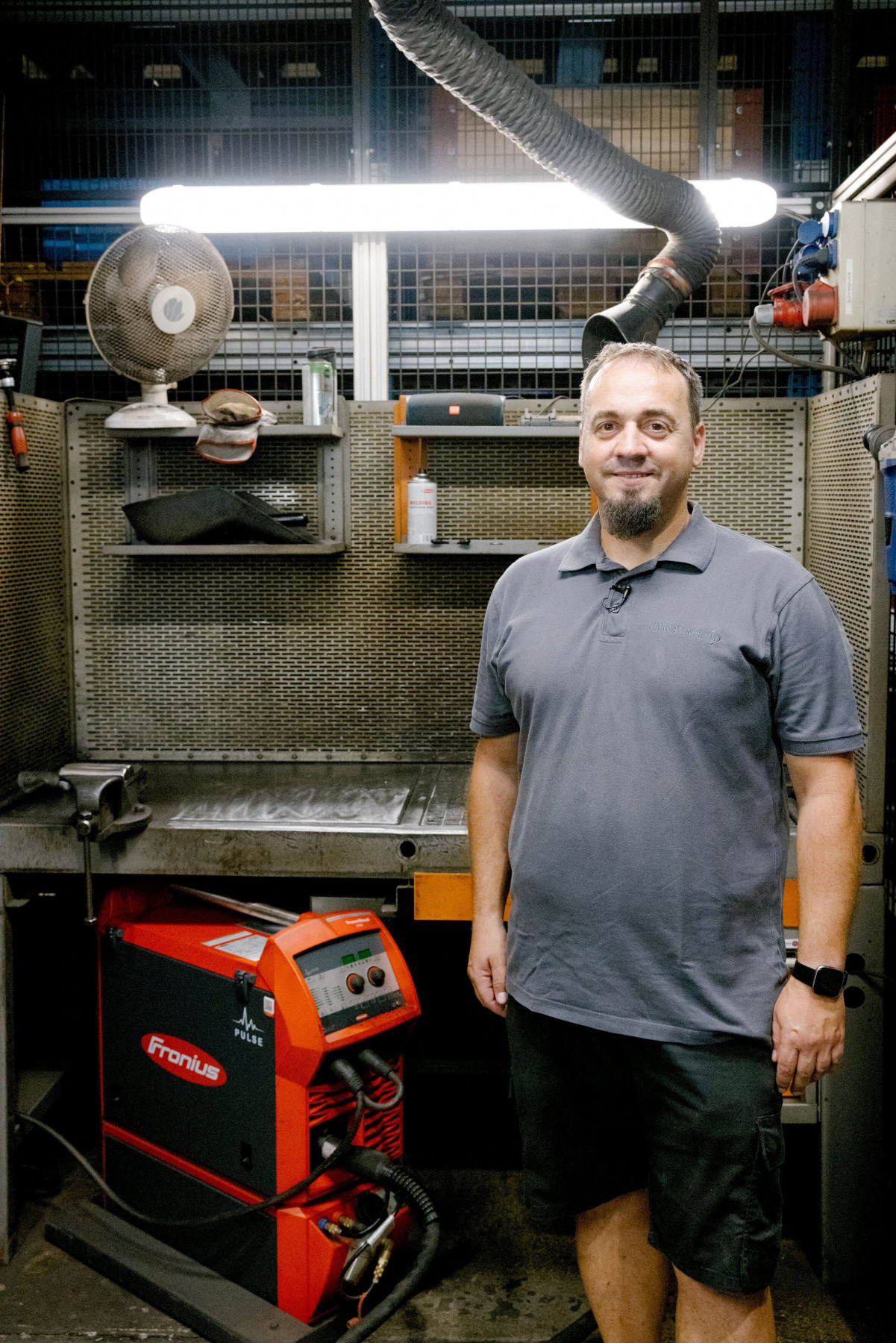
Today, Hargassner relies on Fronius welding systems such as the TPSi platform. It features digital networking and advanced welding processes such as Low Spatter Control (LSC), Pulse Multi Control (PMC), and SynchroPulse. Each of these technologies offers specific advantages: less rework, higher seam quality, increased welding speed and maximum energy efficiency. When paired with the robust TransSteel machines, which were specially developed for steel construction, this creates a production environment that combines precision and sustainability.
“The quality of our boilers hinges on the welding process. It is crucial that the seams, whether fillet welds or lap joints, are clean and as spatter-free as possible. Only then can the components be powder-coated without any additional rework. With fillet welds, it is also important to maintain a constant a-dimension to ensure consistently high seam quality. The airtightness of the seams is just as important. This prevents dangerous deflagrations during heating operation, which not only cause mechanical damage but also represent a serious injury risk. This is why we have been using welding technology from Fronius for decades now. The machines impress with their intuitive operation and practical functions and guarantee the welding quality we need for our production: robust, precise, and reliable,” explains Roman Baumgartner, welding supervisor at Hargassner.
A large amount of the solar energy generated, approximately 9 %, flows directly into the welding processes at Hargassner. This shows just how closely technology and environmental awareness are intertwined within the company. “For us, energy is not just a means to an end, it is part of our responsibility toward people and the environment. With our photovoltaic system, we are making an active contribution to sustainable production,” summarizes Florian Pommer, head of technology and site development.
Energy efficiency as a principle
Encouraged by the decades-long partnership between the two companies, it was a logical step for Hargassner to equip the 1,500 kWp PV system built at its Weng site in 2021/2022 with inverters from Fronius. The Fronius Tauro commercial inverter was used. Thanks to the extremely sturdy design with active cooling and double-walled housing, the device can withstand even the most adverse weather conditions. This enables the Fronius Tauro to remain efficient at all times, even in direct sunlight or extreme heat and avoid derating (reduction of output power to protect the device).
Based on initial positive experiences, a decision was made in 2024 to expand the system by 1,000 kWp. Hargassner opted for the new Fronius Verto commercial inverter, which is available in power categories ranging from 15 to 33.3 kWp. The Multi-MPPT concept (Maximum Power Point Tracking) ensures maximum efficiency on roofs with basic or complex PV module orientations and delivers optimum yields, even with partial shading. This guarantees that the maximum amount of solar energy generated is delivered directly to production – practically from the sun to the arc. Today, the self-consumption rate is 80 %, with only 20 % being fed into the grid. “Our photovoltaic system is at the heart of our power supply, with a total annual output of 1.9 gigawatt hours of generated solar power. We are talking about the average electricity consumption of 450 Austrian households,” explains Pommer.
The photovoltaic system at the Weng site now has an output of 2,500 kWp and, as well as supplying electricity for the IT infrastructure, production machines and welding machines, it also powers the forklift trucks. Chargers from the Fronius Selectiva product line are used here. Their intelligent Ri charging process automatically adapts the charging curve to the effective inner resistance of each battery, which reduces energy losses, extends the service life of the forklift batteries and increases operational safety. This helps to conserve resources and ensures efficient day-to-day operations. “Not only are our Selectiva 4.0 chargers an excellent choice when it comes to conserving energy and resources, they can also be seamlessly integrated into our PV-based energy management system,” adds Pommer.
Intelligent use of heat from nature
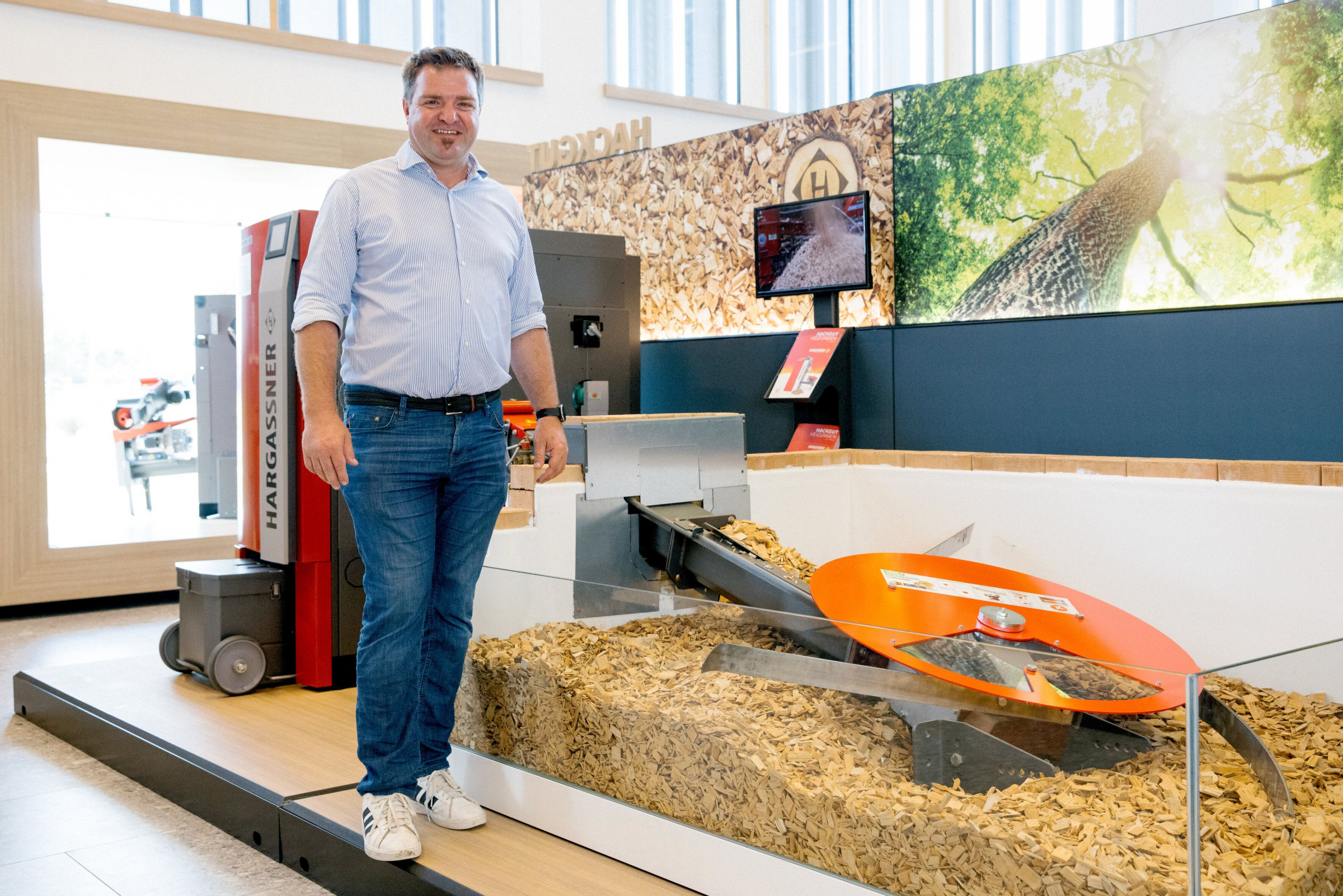
Hargassner stands for high-tech systems that promote sustainability. The company offers a broad portfolio of heating systems based on renewable energies, from pellets and log wood to wood chip heating systems and air-to-water heat pumps. The wood chip heating systems enable carbon-neutral heating using locally sourced wood waste. Thanks to innovative combustion technology and Eco-control, an intelligent control system with automatic fuel detection, fine dust reduction and firebed level regulation, they achieve maximum efficiency with minimum emissions.
“Eco-control is a real driving force, because it is not just a piece of technology, but active environmental protection,” points out Markus Hargassner, managing director and son of the company founder. With outputs of up to 2.5 MW and cascade solutions for industry and agriculture, Hargassner covers the entire spectrum of renewable heat supply. “At Hargassner, we stand for solution expertise – from single-family homes to district heating.”
Timber parking garage makes a statement
The new timber parking garage at Hargassner is a flagship project that represents the companies’ shared vision. Constructed from domestic timber with a split-level design to reduce its footprint, the building showcases the future of mobility and building culture with its photovoltaic power supply and 30 integrated e-charging stations. The construction method used resulted in CO₂ savings of over 4,600 tons and the building won the gold award the Upper Austrian Timber Construction Prize 2025, both of which are testament to its environmentally-friendly nature.
Throughout the entire project, the Ried-based architectural firm Matulik made sure to involve local companies wherever possible, reflecting Hargassner’s strong regional ties and forward-looking approach to business.
“The parking garage is more than just infrastructure for us. It’s a symbol of what’s possible if you’re serious about conserving resources,” believes Pommer.
Family values as the foundation for innovation
Not only are Hargassner and Fronius partners at the forefront of technology, they also share a common history. Both companies were founded in Upper Austria, are still family-run today, and have deep regional roots. What began as visionary ideas in a couple of small towns has developed into internationally successful companies that have never lost sight of their values. Markus Hargassner describes the ethos as follows: “My father’s promise to my mother to build her a heating system that she’d never have to refill again is still with us today. It was the starting point of our development and we continue to uphold this principle from generation to generation.” Today, the company sells its heating systems in more than 40 countries and is optimistic about the market despite global challenges. “Renewables are the way forward – not just for our generation, but also for those to come. That’s why we research and do what we do.” Fronius agrees. Both companies are driven by innovation and long-term thinking. “When it comes to automation, AI and fine-tuning our systems, there are many areas in which we can help each other succeed,” continues Hargassner. “Fronius can provide crucial support, particularly in the area of networked production with its technology-based process control. We are developing interlinked processes here that are designed to make workflows economical, precise, and repeatable, with the aim of finding joint solutions for future-proof manufacturing.”
A responsible partnership
Hargassner and Fronius have more in common than technology. They believe that progress is only economical if it is designed in an ecologically and socially responsible way. Both companies demonstrate how innovative strength and environmental awareness are complementary rather than mutually exclusive. Their partnership is creating a model for the future that will have an impact far beyond the region. “Our collaboration with Fronius is shaped by mutual trust and the common goal of creating the best possible solutions for people and the environment,” concludes Hargassner.
(Source: Fronius International GmbH)
Schlagworte
AIAutomationEnergyEnergy TransitionLow Carbon EmissionsNetZeroRoboticsRobotsSteelTransformationWelding