
02.02.2026
International
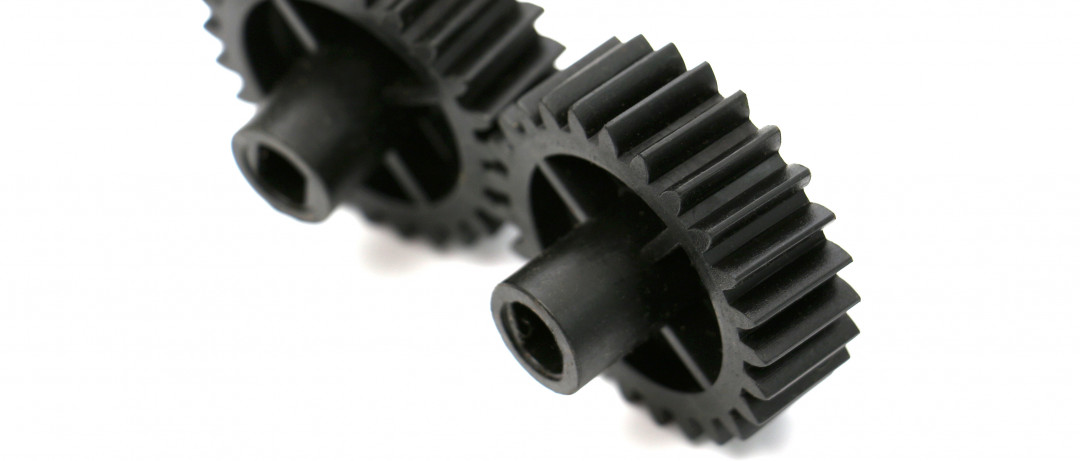
As global regulations on per- and polyfluoroalkyl substances (PFAS) tighten across the European Union and the United States, manufacturers across industries are urgently seeking high-performance materials that meet evolving environmental and safety standards – without compromising technical performance. Asahi Kasei, a diversified global company, announced the development of a new PFAS-free polyamide (PA) engineered specifically for demanding low-friction applications.
For decades, PFAS additives have been relied upon to deliver low friction and wear resistance in engineering plastics. As regulatory pressure intensifies, industries ranging from automotive to industrial machinery are seeking alternative solutions. Asahi Kasei’s newly developed PFAS-free PA addresses this shift by combining environmental responsibility with the advanced material performance required for next-generation components.
The new PA exhibits excellent low-friction and sliding properties – crucial for applications where lubrication with oil or grease is not possible. It maintains stable performance under high-load and high-temperature conditions. These characteristics make it ideal for mechanical parts such as gears, chain guides and other sliding components that must operate reliably in dry environments. To meet the diverse needs of manufacturers worldwide, Asahi Kasei offers PFAS-free PA in both unreinforced and reinforced grades. These options allow engineers to select the optimal balance of strength, stiffness and durability for their specific applications. Utilizing its unique processing control technology, Asahi Kasei can further tailor the material’s performance profile. Customized formulations can optimize filler content, heat resistance, stiffness and behavior under wet conditions – providing design flexibility that helps customers transition smoothly to PFAS-free solutions without sacrificing product performance.
“As industries around the world move away from PFAS, we see a strong need for materials that go beyond compliance and actually raise the bar for durability and efficiency,” said Yoshitaka Hori, Senior General Manager of Asahi Kasei's LEONA PA66 business. “Our new PFAS-free PA delivers exactly that and we are excited to support our customers in building safer, more sustainable products.”
(Source: Asahi Kasei Europe GmbH)
Schlagworte
Automotive EngieneeringEngineeringEnvironmentEUEU RegulationJoining PlasticsManufacturingPFASPlasticPlasticsSafety