
15.10.2026
Wissenswertes
When buyers compare orbital TIG systems for stainless steel and titanium tubing, they usually compare current range, diameter range and price. Yet the weld that comes out on day 200 depends far more on what happens before and around the arc. A practical look at the variables that decide consistency, and at the questions worth asking before a system is bought.
Why consistency is the real buying criterion
Orbital gas tungsten arc welding (GTAW) is chosen for high-purity process lines, pharmaceutical and food systems, semiconductor gas distribution, instrumentation tubing and aerospace hydraulics because it can repeat the same weld many times. A single good weld proves very little. What an owner, an inspector or a validation engineer needs is the hundredth weld looking like the first: full penetration without excessive internal bead convexity, no concavity, a consistent bead width on the inside diameter (ID) and heat tint within the agreed acceptance level. Whether that happens is only partly a question of the power source. In practice, most orbital weld variation traces back to five areas: tube end preparation and fit-up, material chemistry, shielding and purge, electrode condition and program discipline. A welding system matters mainly in how well it supports control of those five.
Material heat-to-heat variation
Two tubes of the same nominal grade do not always weld the same. For austenitic stainless steels such as 316L, sulfur content has a strong influence on weld pool flow and therefore on the penetration profile: low-sulfur heats tend to produce wider, shallower pools, higher-sulfur heats narrower and deeper ones. A program developed on one heat may under- or over-penetrate on another. This is why ASME BPE restricts the sulfur range of 316L tubing intended for orbital welding to 0.005 – 0.017 %, and why many fabricators record the heat numbers of both components and weld test coupons whenever a new heat is introduced. For commercially pure titanium tube, chemistry is less of a penetration issue, but cleanliness is critical. Residues, fingerprints or moisture in the joint area are taken up by the hot metal and embrittle the weld. Degreasing with a suitable solvent and handling with clean gloves are part of the process, not an option.
Shielding gas and internal purge
On the ID of a thin-wall tube, oxidation is controlled almost entirely by the purge. High-purity argon is standard, and many users specify 99.999 %, but purity at the cylinder says little about purity at the weld. Leaking fittings, long hoses of unsuitable material, insufficient purge time and excessive flow that creates turbulence all introduce oxygen and moisture. Measuring residual oxygen at the purge outlet before the arc starts converts a guess into a record. Acceptance levels for discolouration are defined by the governing specification; AWS D18.2 provides a widely used reference scale for the inside of austenitic stainless steel tube.
Titanium is far less forgiving. It reacts with oxygen and nitrogen for as long as it is hot, so both the weld and the heat-affected zone must stay shielded until they have cooled. Enclosed orbital heads help here because the chamber floods the joint with argon on the OD side as well. Pre-purge and post-purge times should be set generously and verified by weld colour: under many specifications bright silver to light straw is acceptable, while blue, grey or white powdery surfaces indicate contamination and are rejectable. AWS G2.4 is a useful guide to titanium fusion welding practice.
Electrode condition and arc gap
Tungsten electrode geometry is one of the most underrated variables in orbital welding. The included angle of the grind, the size of the tip flat, the grinding direction (lengthwise rather than around the circumference) and the electrode type all influence arc shape and therefore bead width and penetration. The arc gap, the distance between electrode tip and tube surface, has a similar effect: a small change in gap changes arc voltage and heat input.
Consistency comes from treating the electrode as a controlled consumable: a dedicated grinder with a fixed angle, a gauge to set the arc gap, a defined replacement interval and an electrode specification written into the welding procedure. Many orbital packages include a tungsten grinder for this reason; the procedure should still state how and when it is used.
Weld program structure and change control
Orbital power sources divide the circumference into programmable sectors or levels, so that current, pulse parameters and travel speed can be adjusted as the electrode passes from the flat position through vertical to overhead. Typical program elements include pre-purge, arc start, an initial delay for the pool to form, sector-wise pulsed current, a controlled overlap past the start point, down-slope and post-purge. Sector layout, pulse settings and travel speed should be established during procedure qualification and then locked. Frequent tweaking of qualified programs on the shop floor is a common source of inconsistency and a problem for traceability. Systems that store named programs and make changes visible help, but the key control is organisational: define who is allowed to modify parameters and how changes are re-qualified. Common references are ISO 15614-1 (steels and nickel alloys) and ISO 15614-5 (titanium) for procedure qualification, ISO 14732 for operators of mechanised and automatic welding and ASME Section IX where ASME codes apply.
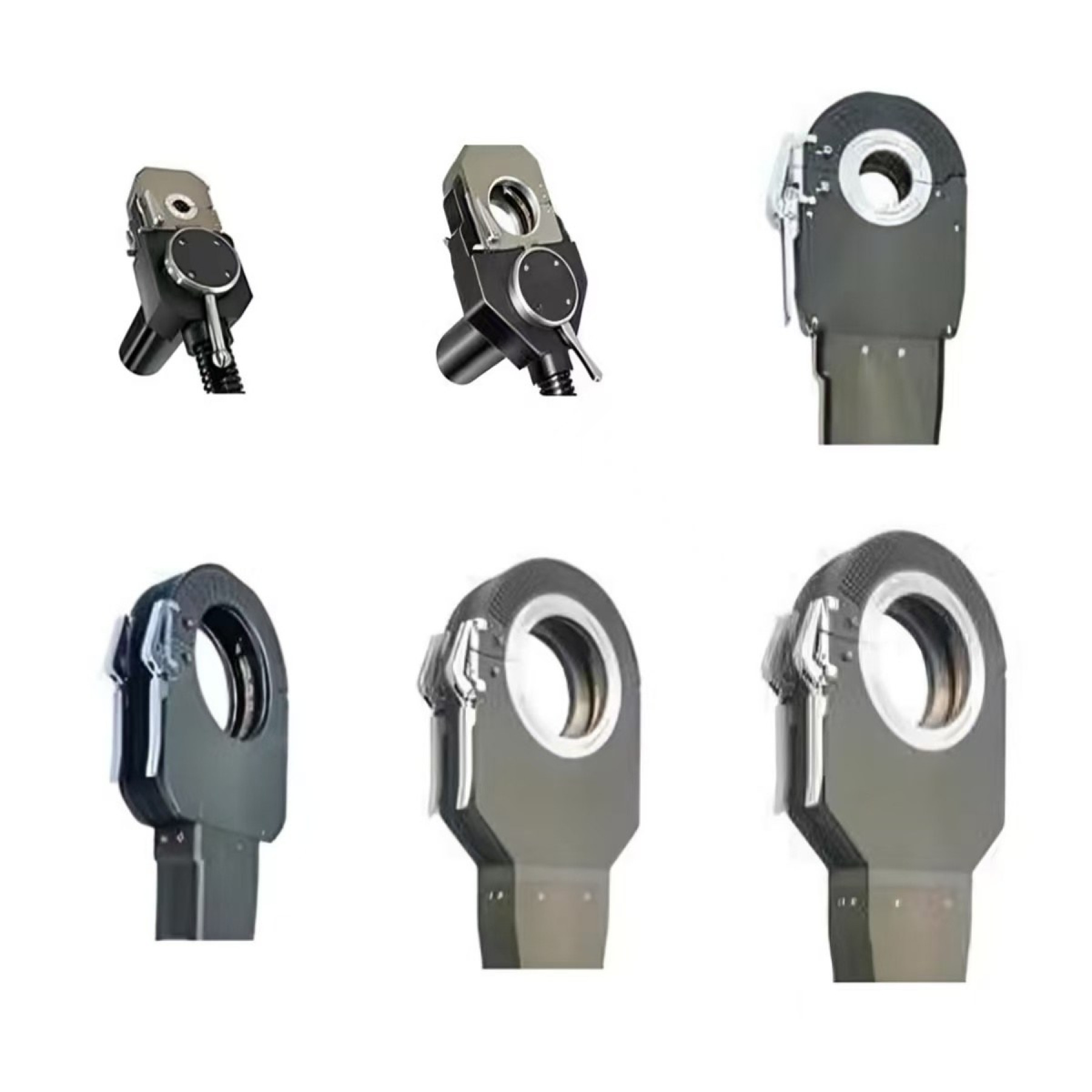
Enclosed or open head?
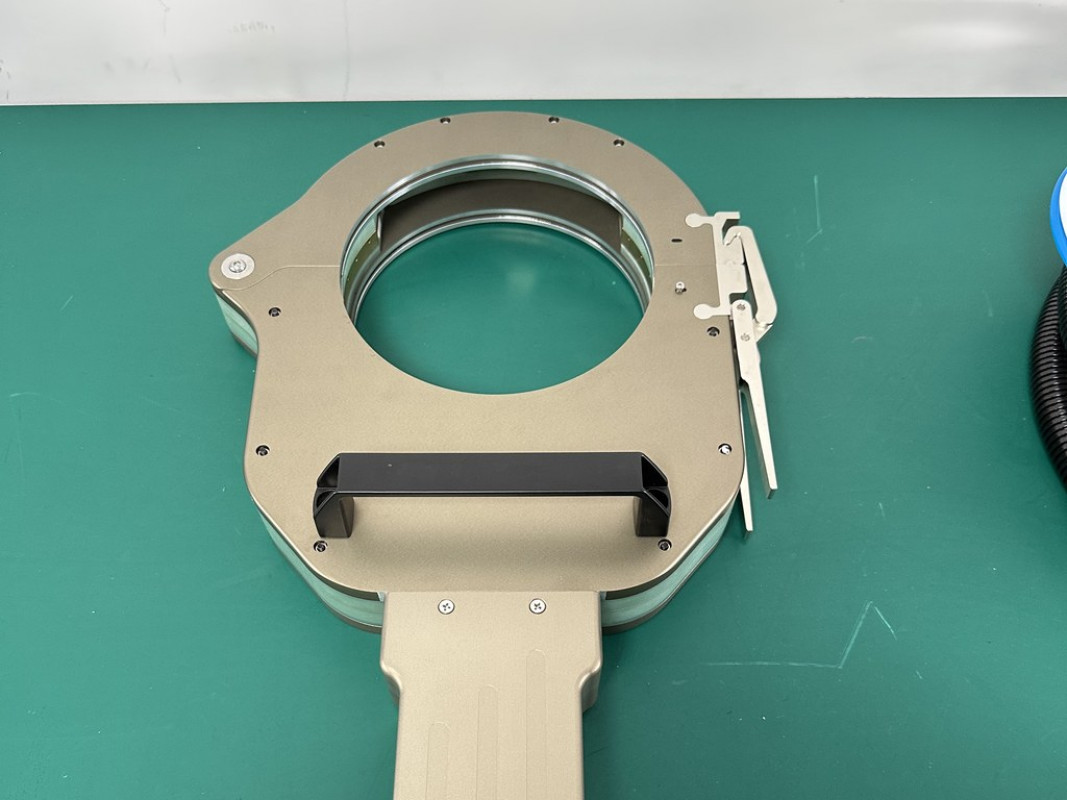
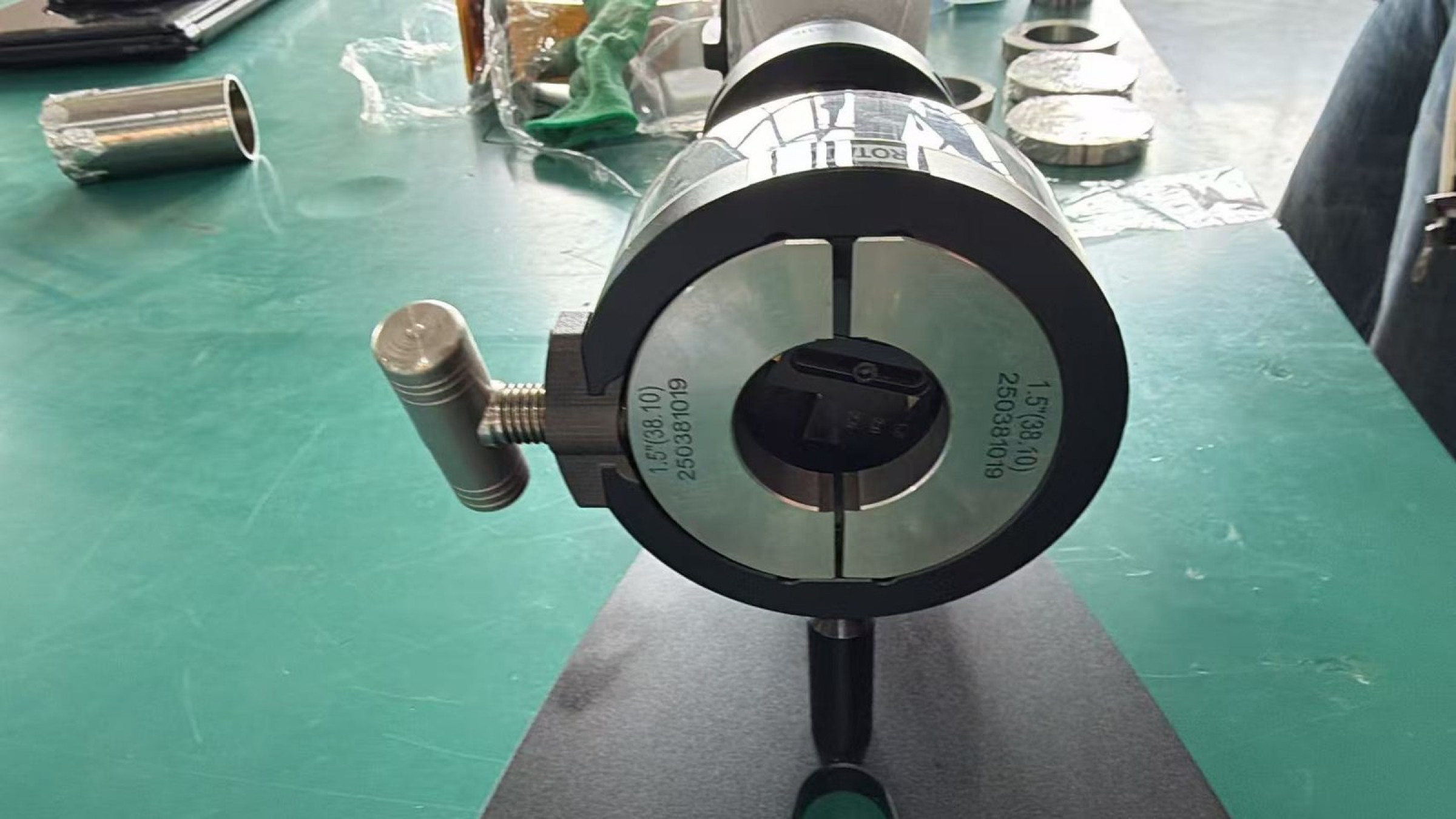
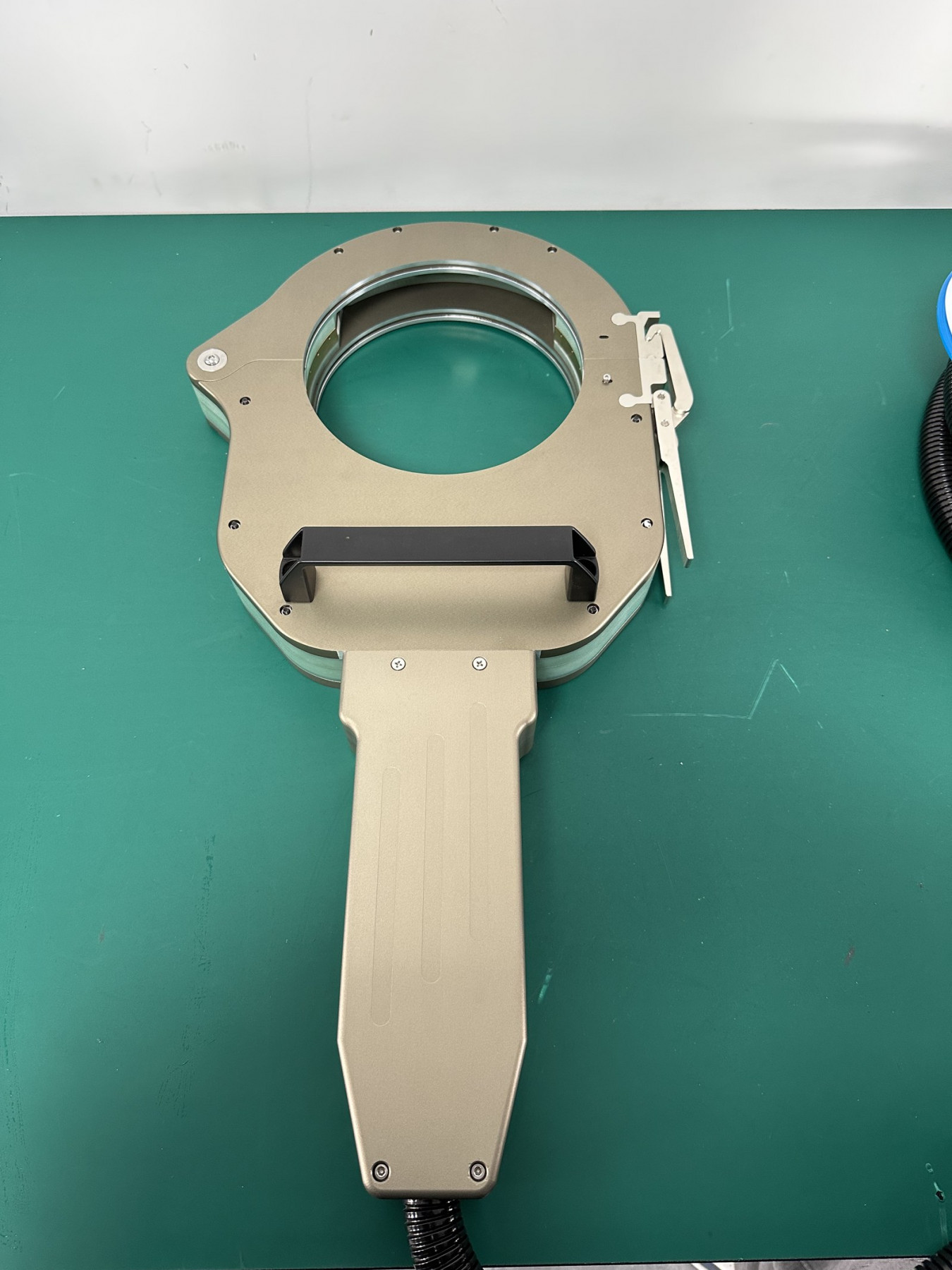
For thin-wall stainless and titanium tube up to roughly 170 mm OD, enclosed orbital heads are the usual choice. The tube and the electrode rotor sit in a gas-filled chamber, which gives good OD shielding and a compact, repeatable set-up. Open heads, with a gas cup and often with wire feed and arc voltage control, are generally used for larger diameters, thicker walls and multi-pass joints that need filler metal. The practical selection factors are the OD range of each head, the maximum wall thickness it is rated for, the radial and axial clearance available around the joint on site and head cooling. Water-cooled heads hold a stable temperature in series production; heads without cooling may need pauses between welds, which should be reflected in the planned cycle time.
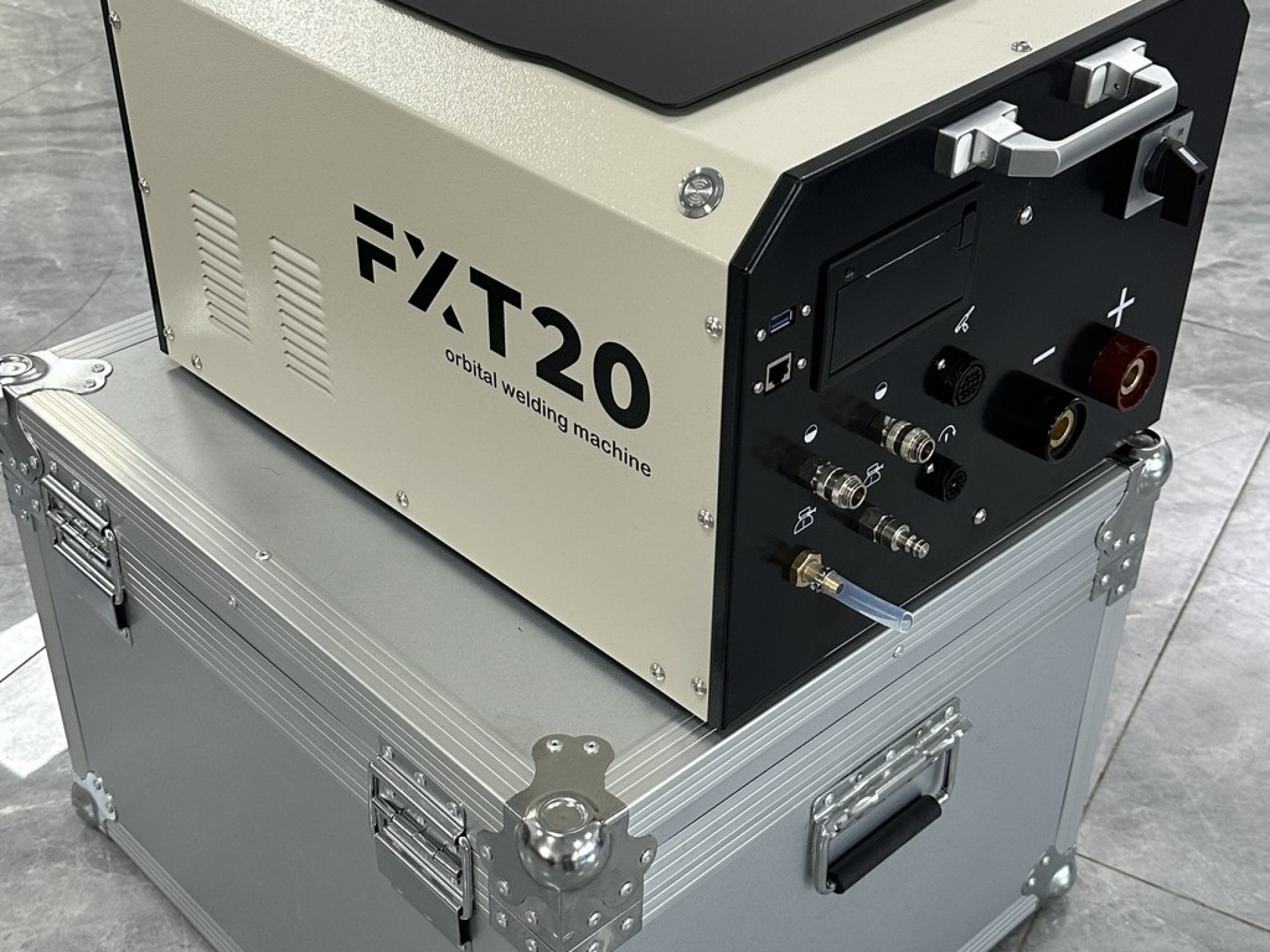
As an example of how manufacturers structure this, the FXT20 enclosed system from the Chinese manufacturer FYID-Feiyide uses one power source (5-200 A, 12 programmable welding zones) with six interchangeable C-series heads that together cover 6.35 – 168 mm OD at wall thicknesses from 0.5 to 3 mm, for 304/316/316L stainless steel, carbon steel and titanium alloy. Each head has its own diameter and wall range, and it is the individual head, not the headline range of the system, that should be matched to the job.
Records: what the system logs and what it does not
Traceability requirements differ widely. Bioprocessing and semiconductor projects often expect a weld log with weld number, operator, program, heat numbers, coupon results and inspection records; aerospace work may require more. Buyers should check exactly which data the power source records for each weld, how the records are output (printer, USB, network) and whether that output fits the project documentation. The FXT20 mentioned above, for instance, prints current, travel speed, duration and a time stamp for each weld but does not export data via USB, so a project that requires electronic weld logs would have to plan for transcription or a separate data system. The point is not which method is better, but that such gaps are known before purchase rather than discovered at turnover.
Practice coupons are a simple, proven control: a test weld at the start of each shift, and after changing the electrode, gas cylinder, head or material heat. Cut open or inspected with a borescope, the coupon confirms that the program still produces the expected ID bead before production welds are made.
A checklist before choosing a system
- Tube list: OD, wall thickness, material grades and specifications, including the sulfur range for 316L
- Joint types: tube-to-tube, tube-to-fitting, elbows, short stubs and the clearance around each joint
- Acceptance criteria: penetration, bead convexity and concavity, ID discolouration level
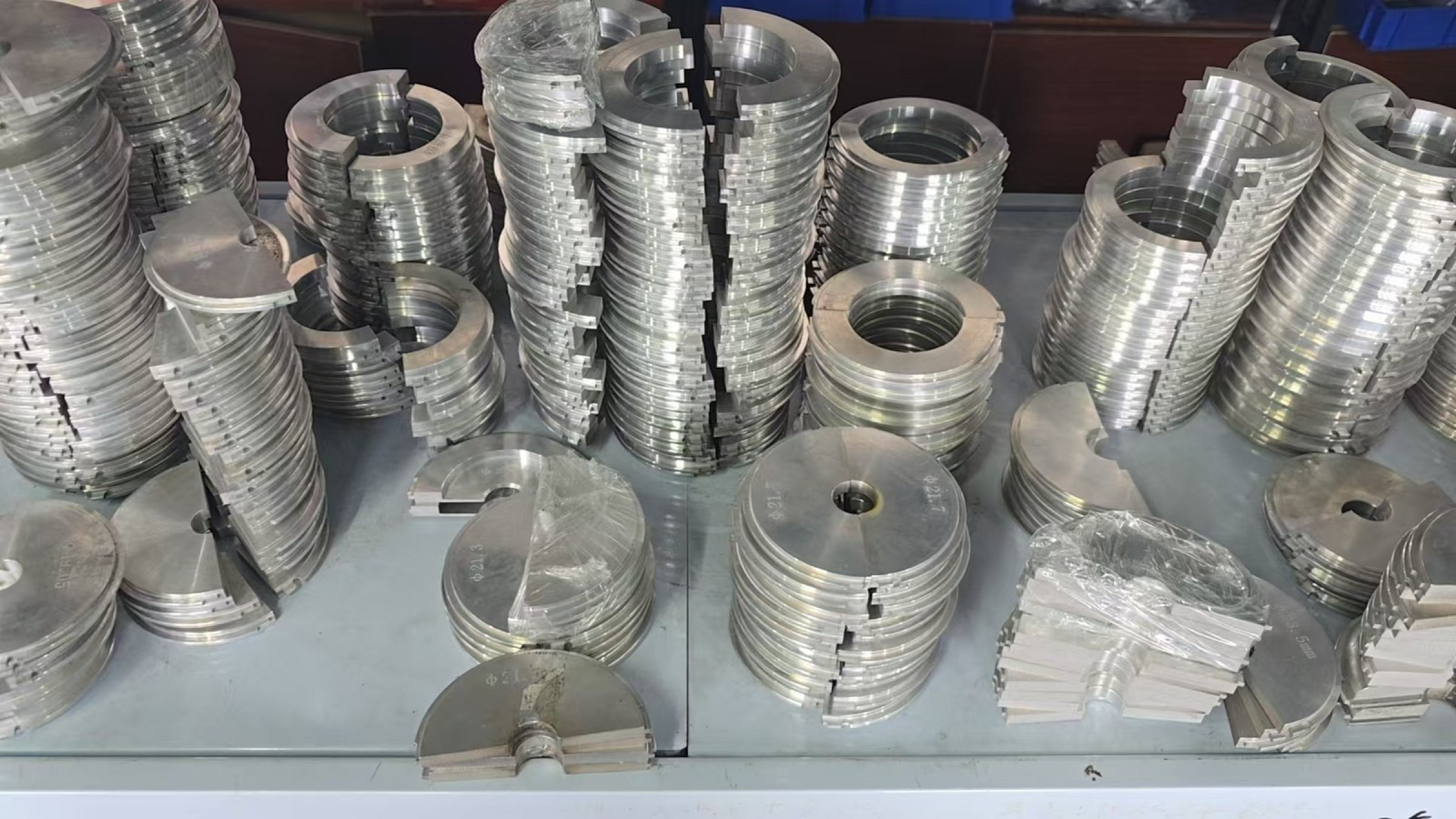
- End preparation method and tools and clamping inserts for every size
- Shielding and purge set-up, including oxygen measurement
- Electrode specification, grinding method and arc-gap setting
- Program structure, storage and change control
- Procedure and operator qualification route (ISO 15614, ISO 14732, ASME Section IX as applicable)
- Record output and how it feeds the project documentation
- Training, trial welds on actual workpieces and service support
Conclusion
Orbital TIG welding delivers repeatable stainless steel and titanium tube welds when the whole chain is controlled: square, clean and aligned tube ends; known material chemistry; a verified purge; a consistently prepared electrode; and locked, qualified programs with records that match the project requirements. A welding system should be chosen for how well it supports that chain.
(Author: April Pei, FYID-Feiyide, Hubei Feiyide Intelligent Equipment Co. Ltd.)
Schlagworte
ASME BPEAWS D18.2Enclosed Orbital Weld HeadISO 14732Orbital GTAWOrbital TIG WeldingShielding GasStainless SteelThin-Wall STainless Steel TubeTIGTitalnium Tube WeldingTitaniumTungsten Electrode GrindingWeld ConsistencyWeld Purge OxygenWelding