
10.04.2026
International
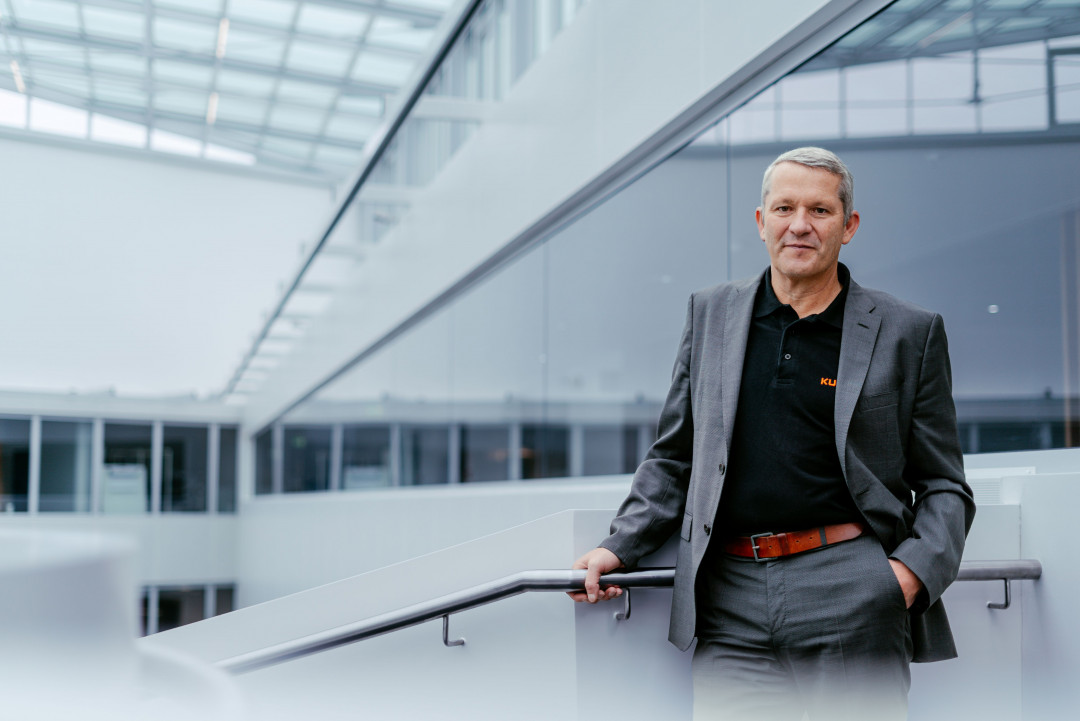
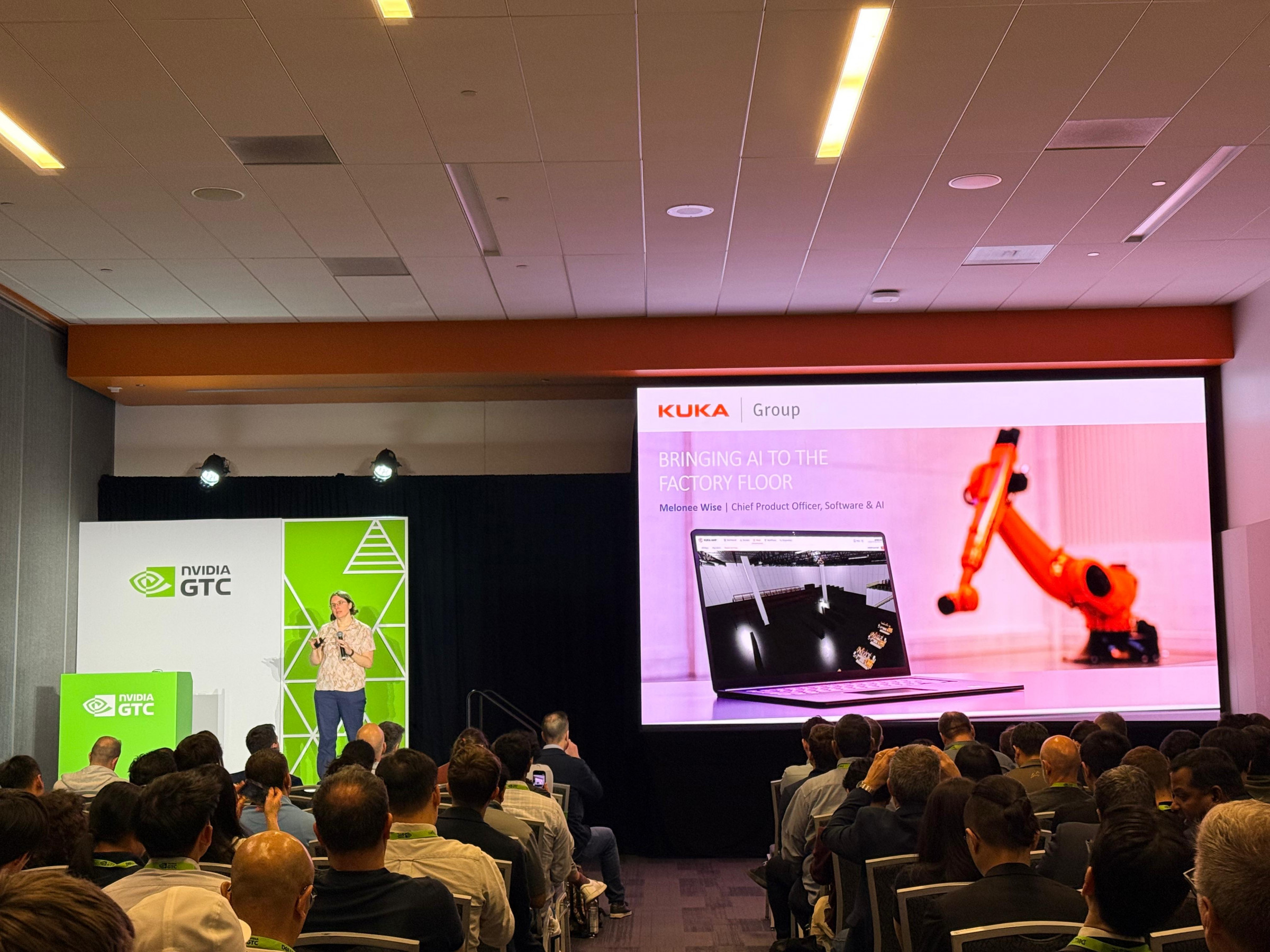
An orange Kuka robot joined the stage at Nvidia’s recent AI conference GTC, appearing alongside Nvidia CEO Jensen Huang. His keynote made one thing clear: industrial automation is entering a new phase. In manufacturing, AI systems will not only analyze and predict, but perceive, decide and act autonomously in the physical world. Physical AI and advanced robotics are rapidly becoming key to modern manufacturing, supply chains and industrial services as they boost productivity and competitiveness.
This transformation is accelerated by breakthroughs in largescale AI models, simulation driven innovation and powerful compute architectures spanning devices, edge systems and datacenters. Kuka Group, as a global automation company, is playing an important role in this shift. Kuka Group CEO Christoph Schell says: “Robots and automation systems are evolving from programmable machines to intelligent collaborators, capable of learning, adapting and operating safely alongside humans. With new open software platforms such as Kuka AMP bridging traditional deterministic automation, such as rule‑based, pre‑programmed systems, with intent-based automation, the pathway from concept to deployment is becoming faster, more accurate, more cost efficient and more autonomous”. Kuka unveiled its new automation management software platform Kuka AMP publicly for the first time at Nvidia GTC.
From automation 1.0 to physical AI
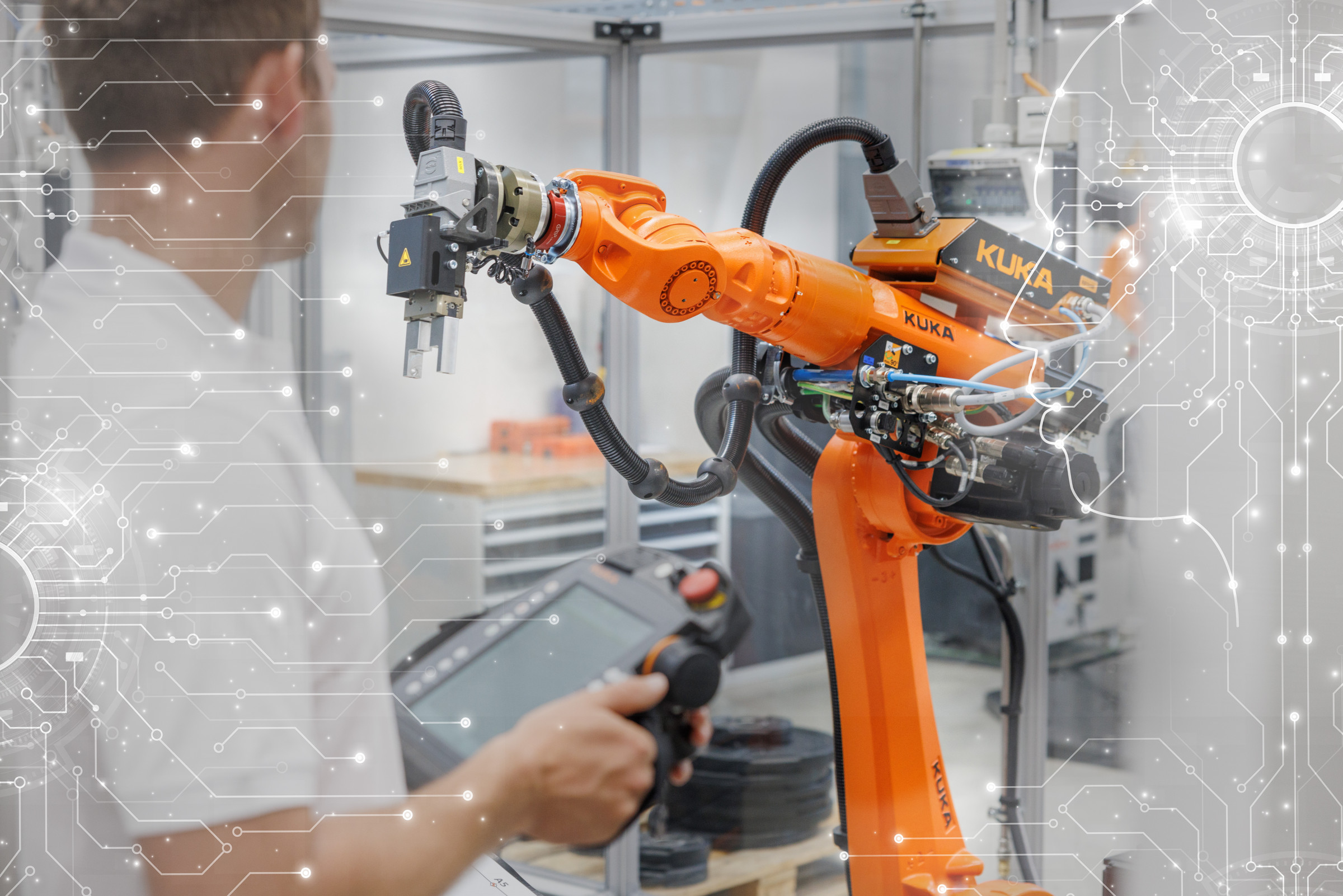
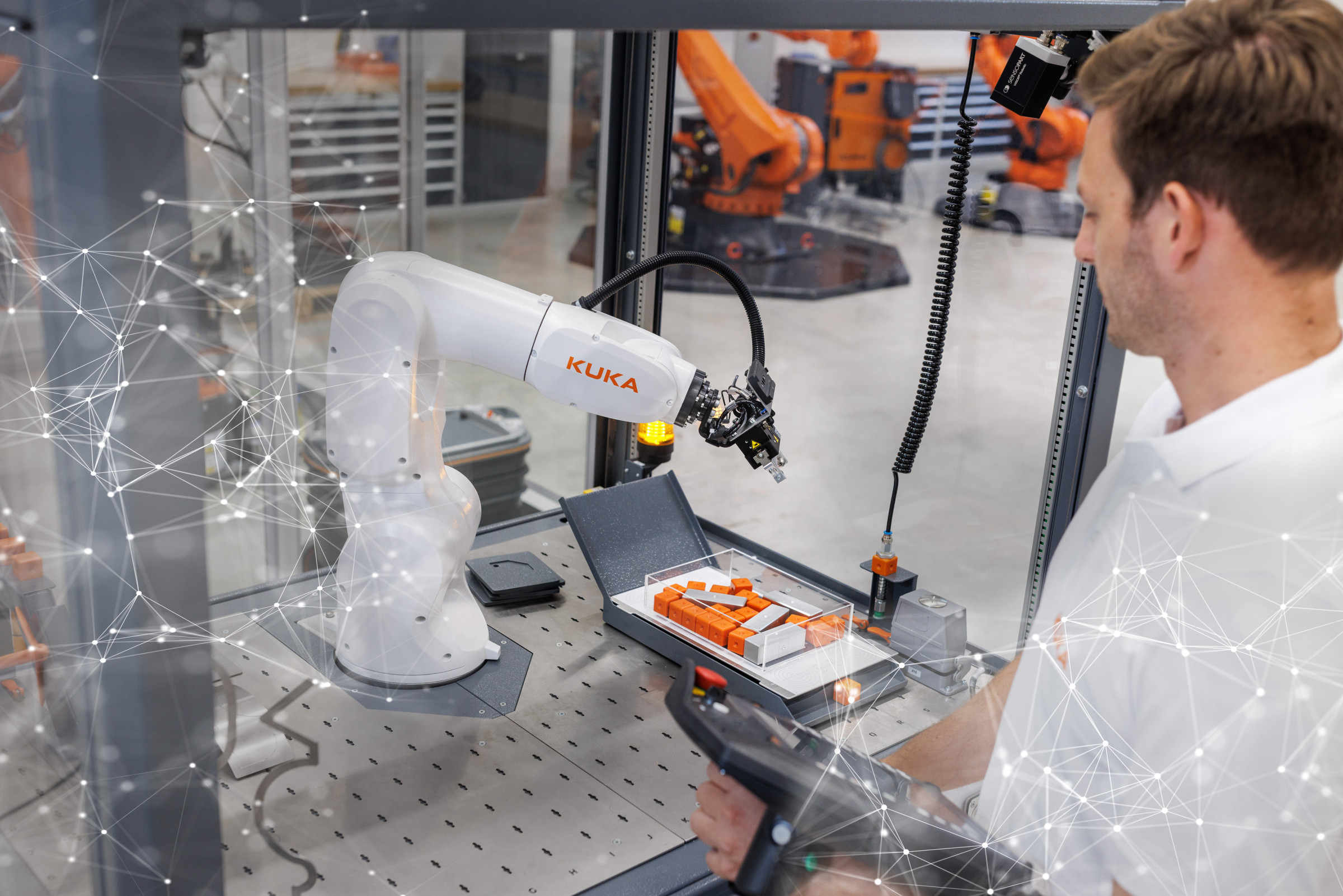
With this evolution in its technology stack the company known for its manufacturing expertise will be adding intent-based capabilities and physical AI across robotics, system integration, warehouse management, healthcare automation and simulation. Intent-based systems translate a user’s desired outcome into automated decisions and actions, allowing technology to figure out how to achieve a goal rather than requiring humans to specify every step. Kuka is repositioning itself to expand its role in the age of Physical AI, or what they refer to as Automation 2.0.
In the here and now of traditional rule-based automation, the so-called Automation 1.0, markets are more competitive than ever: some long-standing automation customers in the automotive and other vertical industries are reducing investments significantly, and customer demand and manufacturing footprints are shifting internationally. “As we move toward Automation 2.0 and Physical AI, Automation 1.0 remains essential – for Kuka and for the entire industry. Proven, rule-based automation continues to deliver the stability and productivity our customers rely on, especially in high volume and safety critical environments. We are not replacing it. We are expanding it with intent-based and AI driven capabilities. Automation 1.0 remains as the backbone, while Automation 2.0 adds new flexibility. Kuka will continue to be a key player in both”, Christoph Schell says.
(Source: Kuka Group)
Schlagworte
AIAutomationAutomation 2.0Global MarketManufacturingRoboticsRobotsSoftware