
05.08.2026
Praxistipp
Wissenswertes
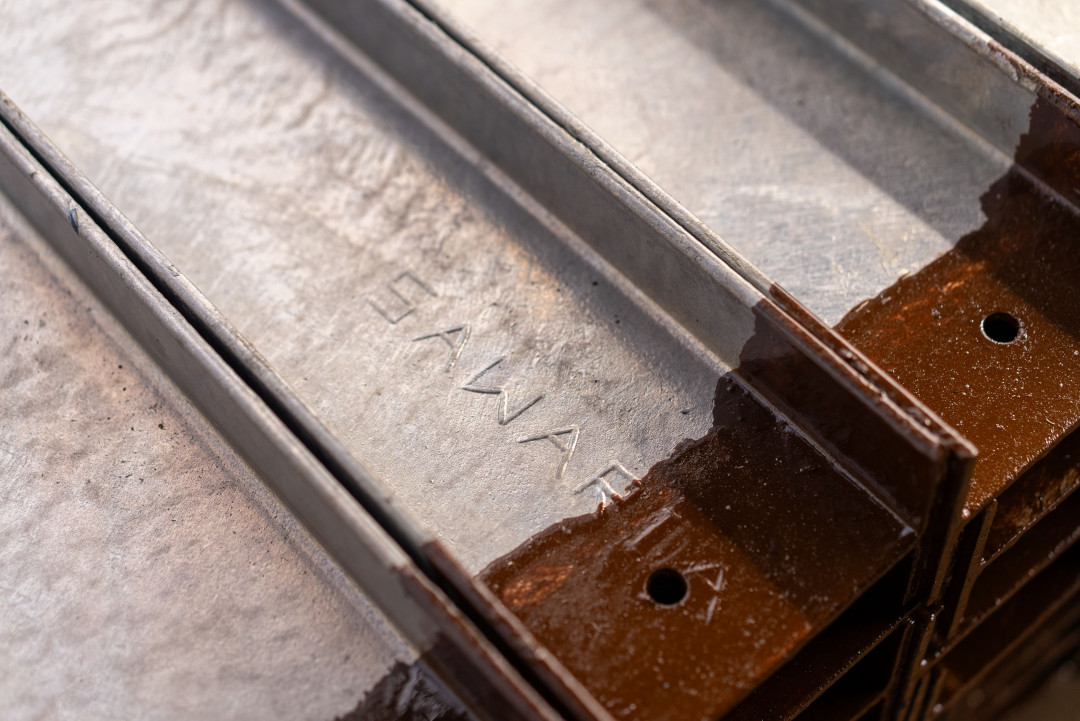
Over time, even the toughest metal parts can succumb to wear and tear, leaving operations vulnerable to equipment failure and unplanned downtime. Industries such as oil and gas can lose billions of dollars annually, since just an average hour of unplanned downtime can cost $125,000. In addition to the financial repercussions, wear and tear can affect equipment and component performance, leaving parts such as rolls, pumps and excavators struggling. Protective coatings, such as weld overlays, play an integral role in minimizing wear and tear and enhancing corrosion resistance. In fact, when selected for the right job, weld overlays can save parts from the salvage yard and offer superior surface protection.
What is a Weld Overlay?
Sometimes referred to as hard surfacing or cladding, a weld overlay is the technical process of placing molten metal materials onto the base material or part to form a strong and protective coating. Weld overlays are known for their durability, hardness and their resistance to wear, erosion and corrosion. This process can be achieved through multiple methods including tungsten inert gas (TIG) welding, metal inert gas (MIG) welding, plasma transferred arc (PTA) welding and laser welding. Typically, cladding can be accomplished through the use of specialized electrodes, powders or filler rods. Weld overlays differ from thermal spray since they rely on the creation of a strong metallurgical bond rather than a mechanical bond. Since weld overlays extend part performance and lifespan, industries ranging from power generation to mining commonly employ this technique.
Is a Weld Overlay Right for You?
In order to determine if a weld overlay is the optimal choice for your part, you must consider not only the integrity of the surface but also the specific application and desired properties of the part. It’s important to take into account factors like your operating conditions, mechanical stresses, temperature, and corrosion exposure. A weld overlay may be suitable for your job if you’re looking for extreme resistance to corrosion, abrasion, erosion and impact. This type of coating is also an excellent choice for maximizing cost efficiency, since upgrading equipment or parts with a weld overlay can cost significantly less than purchasing brand new parts.
Weld overlays are leveraged by multiple industries for a diverse range of parts.
-
Manufacturing and Heavy Industry: Parts such as steel mill rolls, press components and conveyor screws can all benefit from overlays to improve surface durability and reduce deformation and wear.
-
Chemical: Plants opt for weld overlays to shield refinery equipment and components such as reactors, vessels and heat exchangers from chemical corrosion, soaring temperatures and ultra-reactive environments.
-
Mining and Processing: This industry chooses weld overlays to combat the abrasion inflicted by rocks, ore and slurry on parts such as chutes, hoppers and excavator bucket teeth.
-
Oil and Gas: One of the biggest users of weld overlays, this industry relies on this coating to protect everything from pressure vessels to drill pipe tool joints from corrosive fluids and sour gas environments.
-
Construction: Components for kilns as well as fan blades in cement plants all rely on weld overlays to create an erosion and wear-resistant surface that can perform for the long haul.
-
Power Generation: Depending on the type of plant, stainless steel overlays might be selected to prevent stress corrosion cracking or nickel-based alloys might be selected to avoid fireside corrosion of boiler tubes.
Benefits of Using a Weld Overlay
In addition to saving your bottom line and reducing overall equipment costs, the implementation of weld overlays significantly impacts the longevity and service life of your equipment. Since weld overlays can prevent the corrosion, wear, tear and abrasion of components ranging from compressors to valves, operations can perform better for longer. In fact, weld overlays can extend equipment life anywhere from 30–300% depending on the particular application. This increased equipment lifespan allows industries to reduce their overall maintenance costs and inventory of spare parts, since worn-out parts can now be salvaged through weld overlays. Furthermore, welding allows for a mix of a more inexpensive base metal with a high-performance surface alloy. Some metals that work especially well with weld overlays include nickel-base alloys, stainless steel, manganese steel, and carbon and alloy steel.
Different Types of Weld Overlays
Depending on the specific needs of your project or part, you might opt for one type of weld overlay over another. For example, MIG welding is best suited for repairs to cracks, holes or other heavily damaged pieces that endure heavy wear of steel or stainless steel. Another popular type of weld overlay, plasma transferred arc (PTA) employs a plasma arc to melt the filler material and then deposit it onto the base metal. PTA is a great match for applications requiring hardfacing applications on pump components. Other widely used weld overlay processes include:
-
Tungsten inert gas (TIG)
-
Brazing
-
Spray and fuse coatings
-
Submerged arc welding
-
Laser welding
When to Consider Other Options
While weld overlays are suitable for many environments and hard-working parts, not every component will benefit from laser welding or the TIG method. Weld overlays might not work well for jobs that necessitate precise or thin-surface coatings. Here, other processes or specialized spray coatings should be considered. Another variable to consider is excessive heat. Depending on the weld overlay process chosen, the component might be exposed to high heat during application of the overlay, which could alter the properties of the base material. In instances like this, consider PTA, which provides a lower heat input, or opt for thermal spray.
(Source: HTS Coatings)
Schlagworte
AbrasionCorrosionMIGProtective CoatingsPTATearTIGTSBWeld CoatingWeld OverlayWelding