
02.03.2026
International
Understanding Welding Markets and Worldwide Evolving Expectations
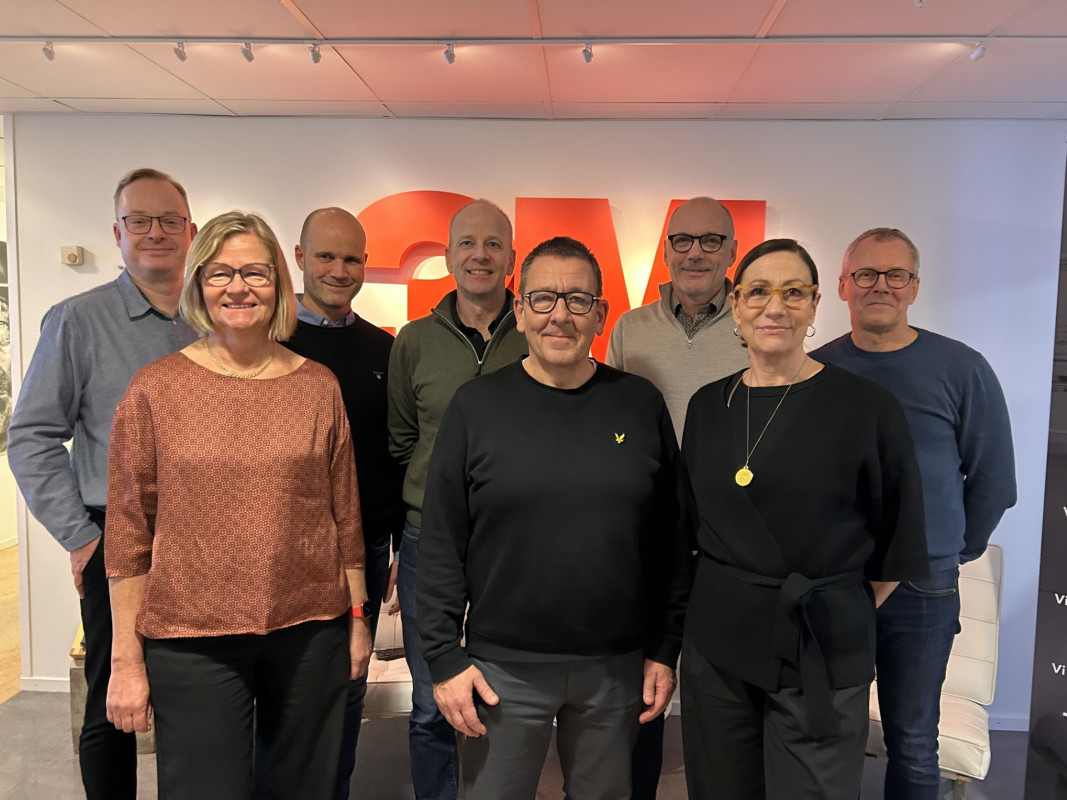
In this last part of the interview series, experts from 3M Speedglas provide insights into the world of welding helmets. They focus on product development, feedback from users and the worldwide market of welding equipment.
Global markets are shifting. While some regions are approaching saturation, others still offer major potential. Anders Grönberg, Global Portfolio Leader & Senior Manager explains how 3M looks at regional differences, how marketing and customer engagement have evolved and which factors will shape future expectations.
You have competitors all over the world and there are a lot of seemingly certified products on the market. Do they affect the business and do you take action to prevent fake products from entering the market?
Anders Grönberg: Typically, we focus on our own products. We are trying to educate customers that it is important to use products that are of quality and fully compliant with all the standard requirements. We do not want to be a kind of police force. There are authorities in the market that take care of those products, and we make sure to promote our strengths and products in the best way possible.
What do you think will be expected from 3M in the next product generation?
Grönberg: Unfortunately, we cannot share details about any products or innovations we currently have in the pipeline. It is important that innovations have real meaning and advantages for the end user. We do not put technology on the market just because we can.
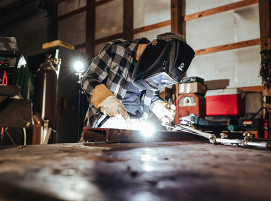
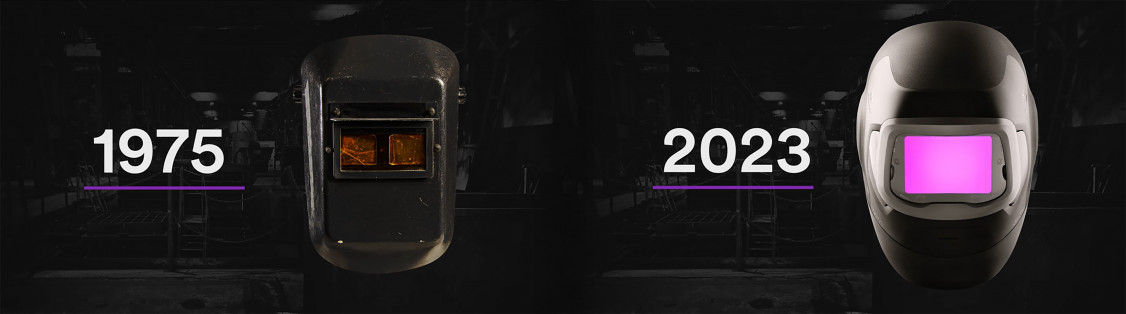
The main goal is to deliver products to improve the welders’ work and life. Therefore, we focus on safety, productivity and comfort. Comfort is probably one of the parameters that will remain especially important in the future. Improving comfort means welders can use their personal protection equipment for longer durations with minimal discomfort. We must recognise that protective equipment inherently imposes a physical burden. Given the choice, most welders would prefer not to wear a welding helmet – but that is simply not possible.
Given that there are different groups of welders with specific needs, do those needs differ between regions, for instance between Europe, Asia and Africa?
Grönberg: Cultural differences and work habits are factors we must consider. For example, in some Asian countries welders are very used to handheld welding shields, which means they may never have worn a helmet on their head before. Any helmet you put on that user’s head
will feel heavy at first, so we need to clearly communicate the advantage of wearing it on the head instead of holding it in the hand. The main differences between markets are rooted in culture, behaviour and user habits. Surprisingly, when it comes to fundamental needs, they are largely consistent across regions and continents.
How has your strategy for marketing the developed product range changed over time?
Grönberg: We have seen a big change, because of digital media and how active welders are on social media. They share what they are using and where to find information that has changed marketing. In the past, you would load your car with demo samples, start on a Monday morning and drive around a specific area to show products. Today, you can reach thousands of users within five seconds and broadcast a message. You then follow up the message with demos because demos and face-to-face meetings are still very important.
Does that mean you combine online marketing with direct approaches, such as lorry roadshows?
Grönberg: Yes, we have a roadshow and we could decide to support it with campaigns, educating a country on a specific topic. You can also announce that the roadshow will be in that country during certain weeks and invite people to contact their 3M representative, so you can follow up with a visit. In many cases, customers already know a lot about what we offer by the time we meet them, because they find the information online.
During these roadshows, do you demonstrate the products on site and let potential customers try them out?
Grönberg: Yes, and we also provide training on how to use the products. Customers can test them for a day, a week or even longer. Afterwards, we conduct a follow-up visit to review their experience.
The feedback you gather is like the approach taken during product development, where you work closely with welders and collect their feedback. How do you find volunteers to test and provide feedback?
Grönberg: We rely a lot on the sales teams in the different countries. They help us identify customers and companies with the specific welding applications. Then we reach out to inform them that we are developing a product and have a few concepts. At this stage, we ask whether they are willing to support us by testing the different concepts. In most cases, companies and welders are very keen to collaborate, as they see value in shaping new products and features.
When you look at future markets, some markets are already saturated. Where do you see the next step and in which geographic markets do you see the greatest growth potential for welding helmets like yours?
Grönberg: It is well known across the industry that there are a lot of welders in some Asian countries. Latin America has many welders too. But these are typical regions where neither we nor our competitors have really been able to penetrate the markets as effectively as we have in Europe or in the USA.
We thank you for the conversation.
Schlagworte
DevelopmentField TrialsGlobal Welding MarketKIMarketing CampaignPersonal Protective EquipmentSafety Requirements SpecificationTechnologyTrainingWeldersWeldingWelding ApplicationWelding EquipmentWelding HelmetWelding standardsWorkplace Safety