
29.05.2026
International
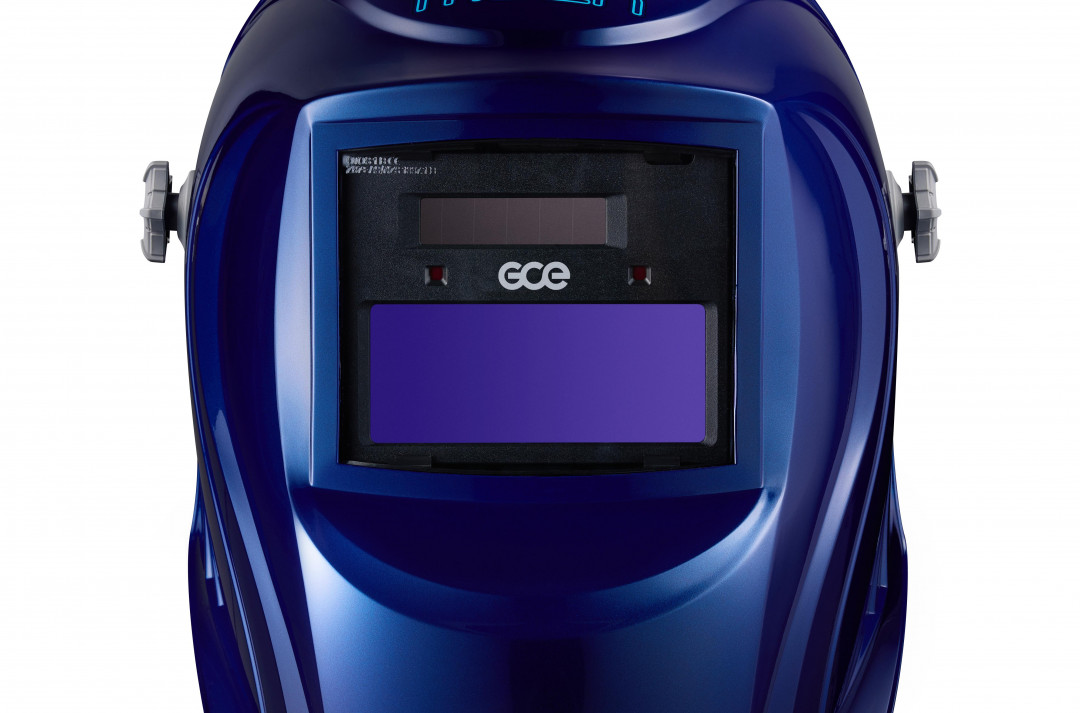
The Mach2 features GCE’s advanced ColorView lens technology, which allows users to see the workpiece in natural colours rather than the green-tinted view often associated with traditional helmets. This clearer, more realistic view helps operators see the weld puddle better and differentiate it from the workpiece, supporting more precise bead placement and reducing eye strain during long shifts. The Mach2 delivers flexibility and productivity on the shop floor with three operating modes (Weld, Cut and Grind) and easy parameter adjustments made from digital controls inside the helmet. Weld Mode supports MMA, MIG/MAG, flux cored and TIG welding with variable shade control from 8 – 13. Grind Mode fixes the lens at shade 3 to provide visibility of the workpiece and eliminate the need to switch to a grinding shield. Cut mode provides shade levels 5 through 8.
For Weld and Cut modes, Sensitivity and Delay (0.1 to 1.0 second) controls further tailor performance to match the application. For example, a high sensitivity/short delay for TIG welding at low amperages or low sensitivity/high delay for high amperages helps protect the eyes from the bright afterglow once the arc stops. “GCE developed the Mach2 helmet to give metal fabricators a better visual experience and greater day-to-day flexibility,” said Amil Anwar, Business Development and Product Manager. “With ColorView lens technology and dedicated modes, users can move from task to task with the visibility, protection and convenience they need to stay productive.”
The Mach2 auto-darkening filter (ADF) offers a 1/1/1/2 optical class rating for a sharp, clear and consistent view of the weld puddle. The ADF has a viewing area of 95 × 40 mm and reacts in 0.05 milliseconds (1/23,000th of a second; an eye blink averages 100 milliseconds, or 1/10th of a second). The helmet uses two arc sensors and is powered by solar cells with a replaceable CR2450 lithium battery. It complies with EN ISO 16321-2: 2021 on personal protective equipment and is CE marked. Operator comfort also played a central role in the helmet’s design. The headgear’s two-strap design helps decrease perceived helmet weight; a third, rear strap and integrated comfort cushion pad improve balance and reduce neck strain. A quick-release rail-type headgear system also enables easy, precise adjustment of the distance between the eyes and lens.
(Source: ESAB)
Schlagworte
CuttingEye ProtectionGrindingHeadgearMAGMIGPersonal Protective EquipmentPPESafety GearSolar CellsSustainableTIGWeldingWelding Helmet