
22.01.2026
International
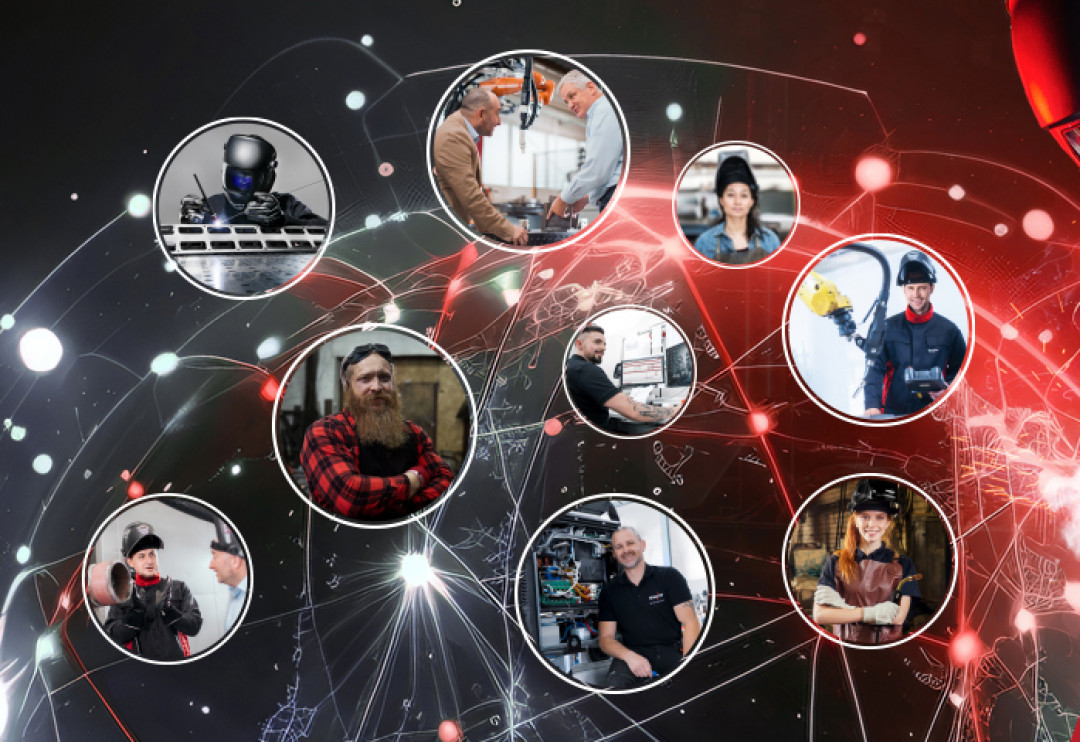
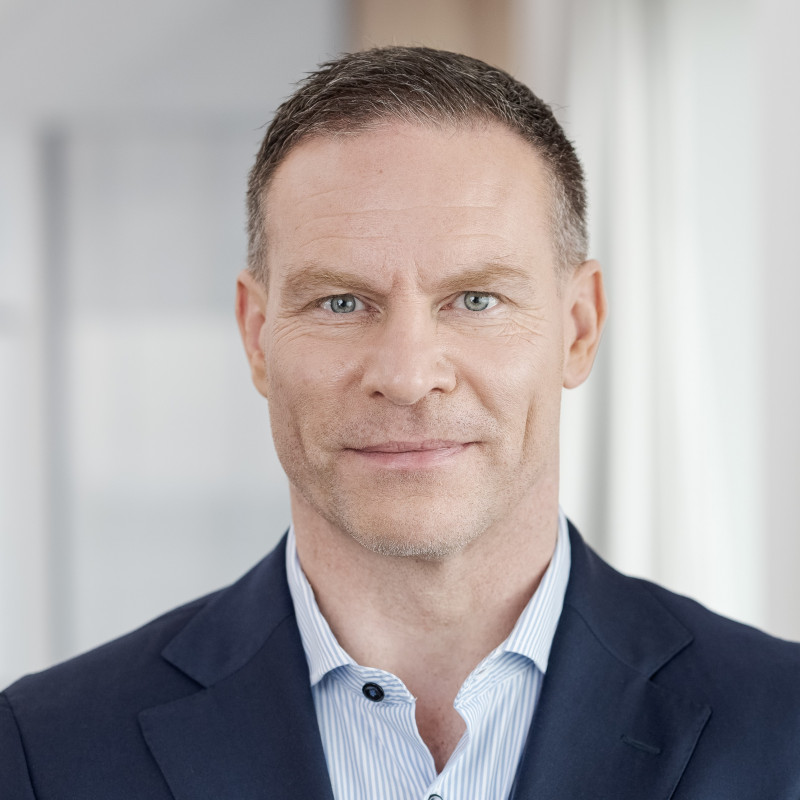
EWM is an established company for welding technology from Mündersbach in the Westerwald region, Germany. They reinvest around 10 % of its annual turnover in research and development. In this interview, Frank Bartels, CTO Chief Technical Officer and fully responsible for research and development, explains how technological innovation is created at EWM – and why agility is more than just a buzzword.
Over the past decades, EWM has been a driver of technological developments in welding technology. What role does research and development play for your company today – and how does EWM shape this area?
Frank Bartels: Research and development are a central component of EWM's corporate strategy. Our aim is not only to further develop existing technologies, but also to actively contribute to shaping industry trends and standards. For us, research is a business investment – it must have an impact: in application, in system integration and in scaling. Our R&D activities are closely linked to our product strategy, our teams' application expertise and the further development of our software and control platforms. This is based on a clearly structured roadmap with consistent implementation. Our benchmark here is "from lab to market".
What specific technological developments are currently shaping the work at the R&D centre – and what research is EWM focusing on today?
We are currently working intensively on the further development of our digital welding processes – particularly in the areas of adaptive arc control, process-intelligent control algorithms and data-based quality monitoring. With its new user interface, the Expert 3.0 control system is an expression of a systemic understanding of technology: usability, data-supported process intelligence and integration into customer processes are seamlessly interlinked.
Another focus is on the software and connectivity level: API-based openness, digital services, predictive maintenance and integration into MES/ERP systems are key differentiators today. We are pursuing trends such as "welding-as-a-service," closed-loop concepts and AI-supported analyses in a targeted manner and with a clear criterion: the technology must deliver comprehensible results for the user.
The development of new technologies is often an interdisciplinary process today. How is your R&D team structured to cope with this dynamic – and how important is agility in this context?
Our development teams are platform-based and organised on an interdisciplinary basis. In addition to the traditional areas of hardware, software and process development, we work in cross-technology clusters – for example, on control engineering, data architecture or platform integration. These clusters work in line with the product strategy and in close coordination with application engineering, sales, manufacturing and quality.
We see agility not as a toolbox, but as an attitude. We rely on short decision-making processes, systematic feedback, early prototyping and a clear customer focus. This enables us to implement development work both quickly and robustly – with technical depth and a clear view of industrial practice. Or in short: "Execution meets innovation.
(Source: EWM GmbH)
Schlagworte
AIAutomationCobotsITPPERobotsWeldingWelding EquipmentWelding HelmetWelding TechnologyWelding Torch