
09.04.2025
International
welding expertise makes the difference
In a world where product life cycles are shortening year on year, metalworking companies are required to launch new products on the market at ever shorter intervals. At the same time, quality, safety and environmental standards are on the rise. One discipline in particular is under the microscope: welding. New materials and complex, weight-saving geometries require not only special welding expertise, but also leading-edge high-tech systems. This is where Fronius comes into its own. With its state-of-the-art Prototyping & Manufacturing Center, the welding technology experts offer a comprehensive 360° service – from feasibility studies to series production.
In-depth metallurgy knowledge required
New types of components, such as environmentally friendly lightweight components for e-mobility or rail vehicle construction, bring with them major changes in requirements. Companies are increasingly faced with the task of welding metals that are difficult to join, such as aluminum, magnesium, or titanium alloys. “Extensive expert knowledge is essential, especially in the field of metallurgy,” says Wolfgang Scherleitner, Head of the Prototyping & Manufacturing Center, adding: “Processing high-strength steels and lightweight alloys requires advanced welding technologies; the structural integrity and corrosion resistance of these metals can only be guaranteed when a high level of expertise, modern welding processes and optimal parameter selection are combined.”
The extremely high temperatures that arise during welding, as well as the rapid cooling rates, lead to changes in the microstructure, which strongly influence the mechanical properties of the joined components. At Fronius, the base material is analyzed in the laboratory before and after the welding tests to gain important knowledge that is essential for flawless welds.
Standards regulate the obligation to maintain documentation
Alongside the major metallurgical and welding challenges that arise, regulatory requirements also come into play. Standards such as EN 1090, which applies to load-bearing steel and aluminium structures, contain design class-dependent stipulations for the complete documentation of the weld seams, aimed at ensuring their continuous traceability. The DIN EN 15085 and ISO 3834 standards are important in rail vehicle construction, because they define the quality requirements and documentation obligations for welding work. Standards such as DIN EN 1011, which contains recommendations for welding metallic materials, are also essential in other sectors. All of this is driving up the quality criteria for metalworking operations and forcing many companies to invest in automated welding systems. These often require new skills such as special programming know-how, which is not always available – even in industrial companies.
High-tech manufacturing expertise fit for the future
In the highly dynamic environment today, companies will discover a tailor-made service in the Fronius portfolio from the Prototyping & Manufacturing Center. The welding professionals help customers from trade and industry around the world to develop new products and master the switch to climate-friendly high-tech solutions with state-of-the-art technology and comprehensive expert knowledge.
“Thanks to the extensive expertise of our welding specialists, we can significantly reduce the high risks and costs that new product developments often entail for our customers,” explains Scherleitner. Feasibility studies are initially carried out at the Austrian site in Wels, followed by prototype production if requested. This requires that the client submit their welding specifications as well as the 3D data of components and clamping devices. Fronius performs a virtual analysis of this information, in order to draw conclusions about weldability, accessibility and cycle time. Problems that arise are discussed together with the customer and optimization and solution options are developed. The clear aim of the development work is to create future-proof, state-of-the-art products.
From the feasibility study to the finished product
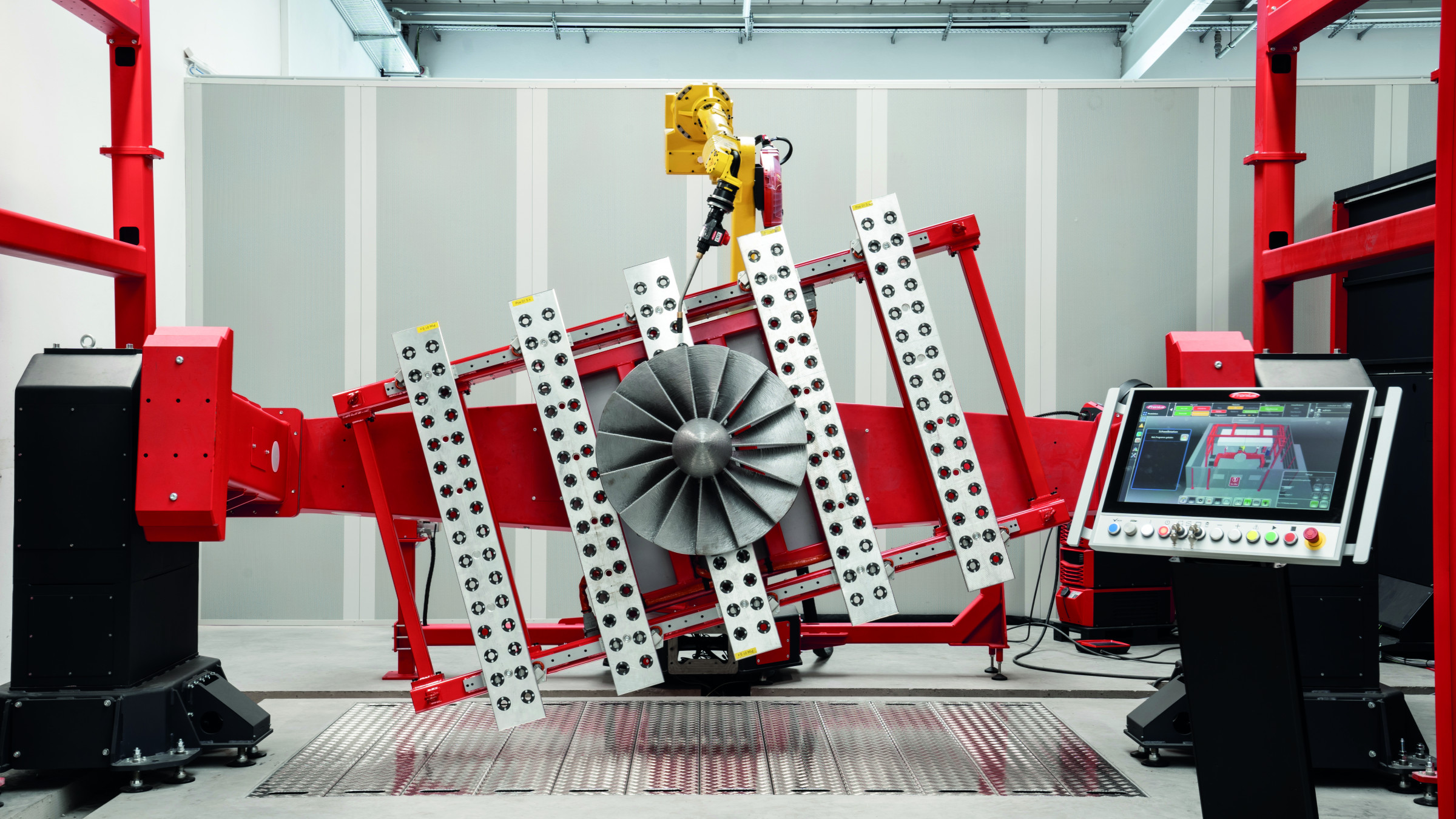
As soon as valid welding data is available and the first prototypes have been successfully welded, Fronius develops a production concept and, if requested, takes over production of the pilot series as well as series production. If series production takes place at the customer’s premises, Fronius can also design, build and supply customized robotic welding systems from a single source on request. Furthermore, on-site commissioning services, employee training and regular maintenance and calibration of the systems are all part of the comprehensive service package, which is supported worldwide by a network of 38 subsidiaries and Fronius Sales and Service Partners in over 60 countries.
The modular system from Fronius
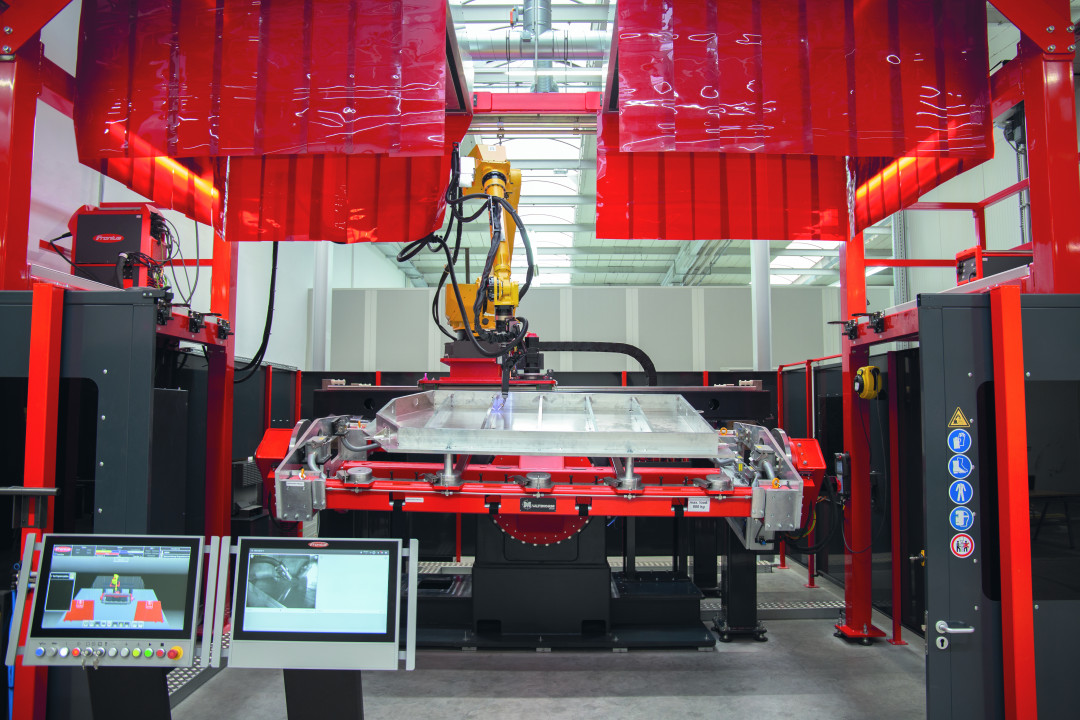
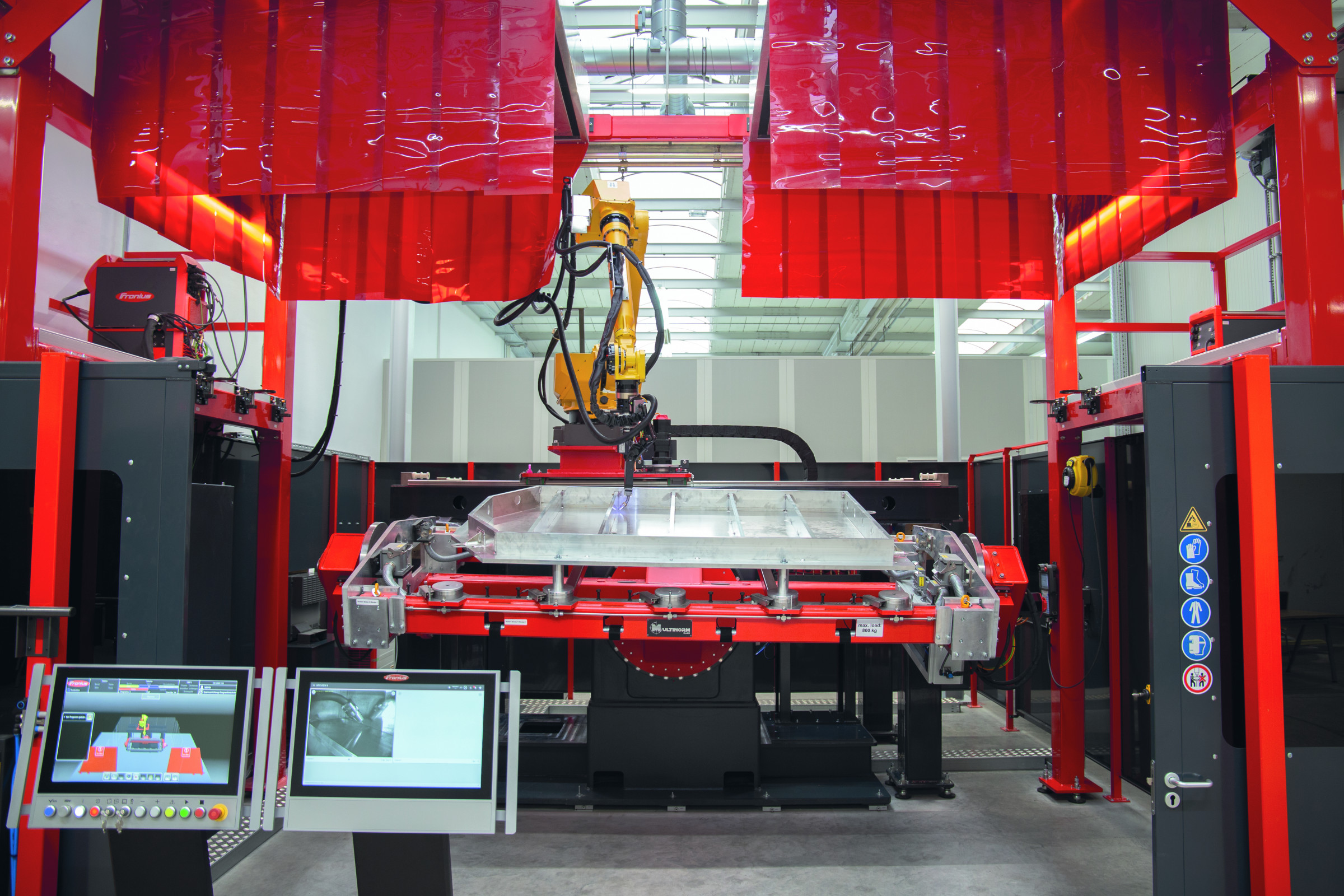
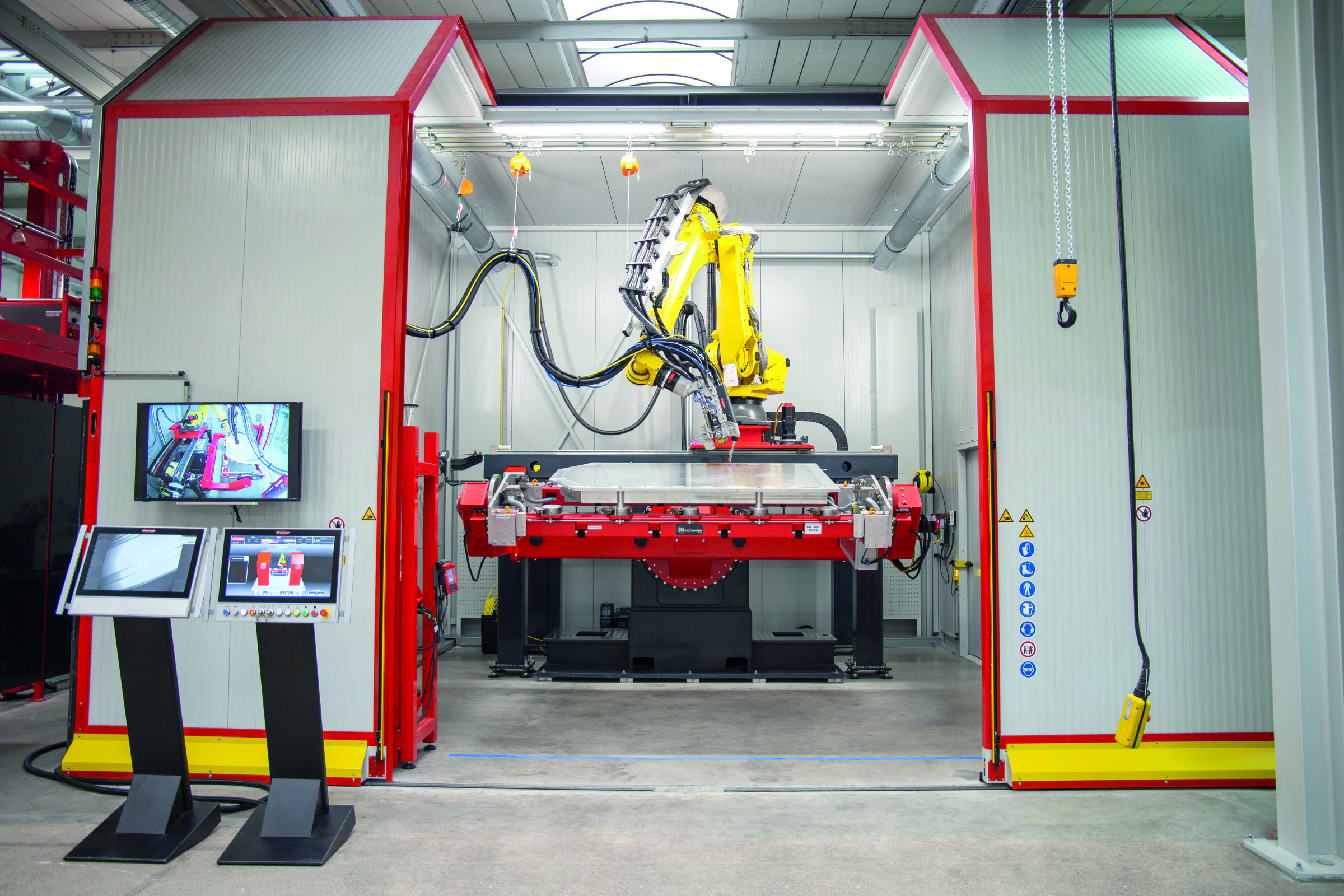
“Our customers’ requirements are component-specific and varied. No two Fronius robotic welding systems are the same in every detail,” explains Scherleitner. “However, to ensure system reliability and cost effectiveness, we use a modular system of tried-and-tested component units when engineering and assembling our systems.” All components are matched to the respective welding processes and deliver a high degree of stability, repeat accuracy and adaptability to different applications and loads. The modular system includes torch systems and torch service stations, handling robots, robot tracks, welding robots, gripper deposit systems and positioners.
Simulation technology and sensor systems
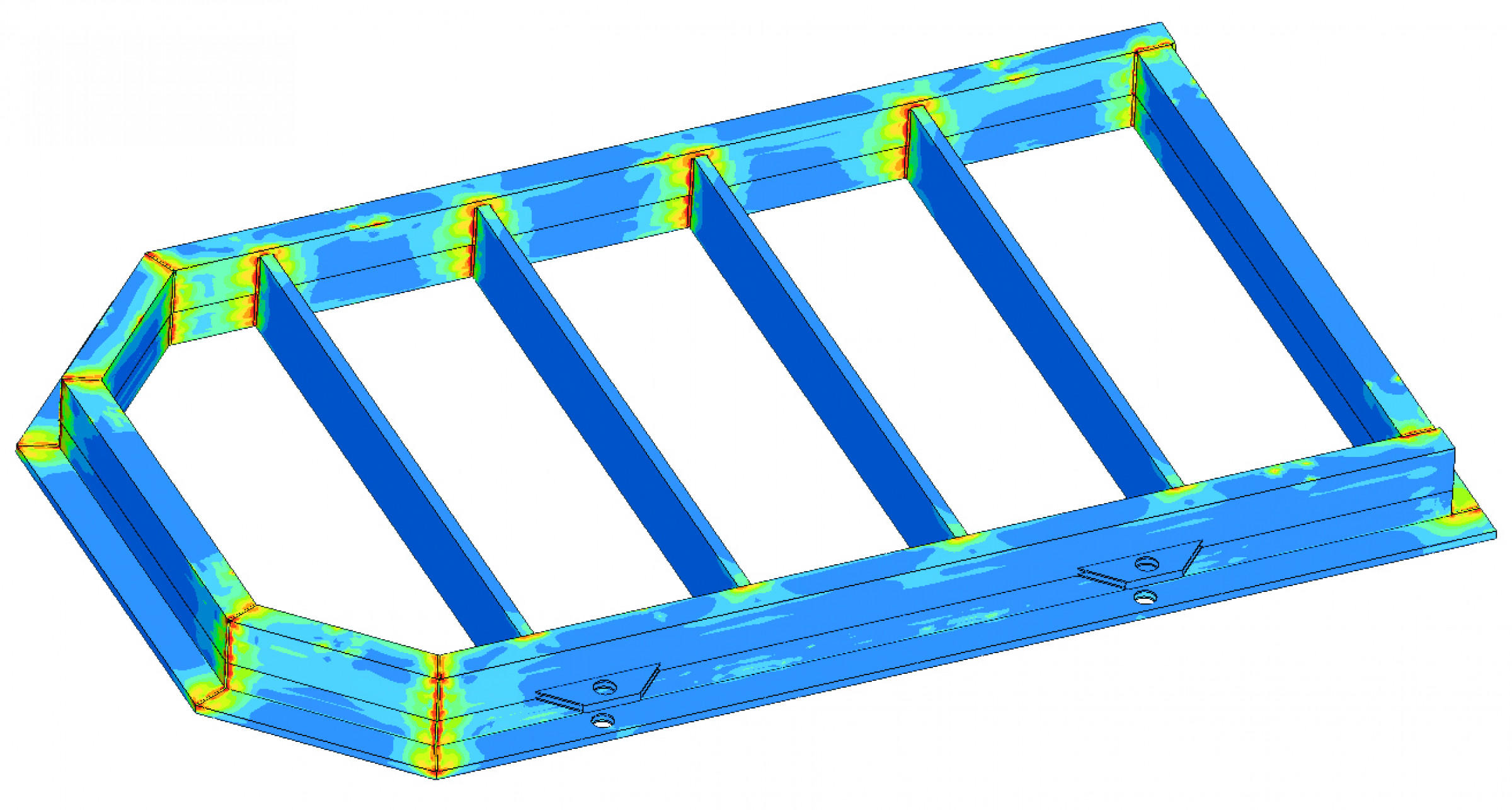
Modern simulation technology is key when it comes to feasibility analysis and prototyping. With the Fronius Pathfinder software, welding sequences can be simulated on the welding system’s digital twin. The software identifies axis limits, calculates start and end points as well as paths and independently sets teach points. Errors and collisions can be identified in advance and welding sequences optimized, saving time and money. In addition, the Austrian experts can simulate material distortion as part of the feasibility study and generate analyses for the correct welding sequence.
“Alongside simulation technology, we also offer advanced data management solutions,” Scherleitner explains and continues: “Furthermore, we can scan welded seams with our inspection sensor technology and evaluate them with software – in combination with WeldCube. In particular, we check whether the weld geometries are within the tolerance range over the entire length.” During the welding process, WeldCube saves and analyzes all welding data and enables precise process monitoring and control, which ensures unbeatable quality and efficiency in production.
Precision thanks to 3D measurement
The 3D measurement of welded components takes place in a robot measurement cell, in order to check for distortion and deviations from the original CAD data. Findings from these measurements are continuously incorporated into the tests, which ensures ongoing optimization of the joining work. At the end of this process, valid welding parameters are available for series production.
Comprehensive testing in the welding lab
Fronius also has a state-of-the-art welding laboratory where visual inspections, destructive testing and microsections are carried out. These tests are essential to ensure the quality and integrity of the welds; their results are handed over to the customer together with the welding concept, which concludes the feasibility study.
Additive manufacturing on the rise
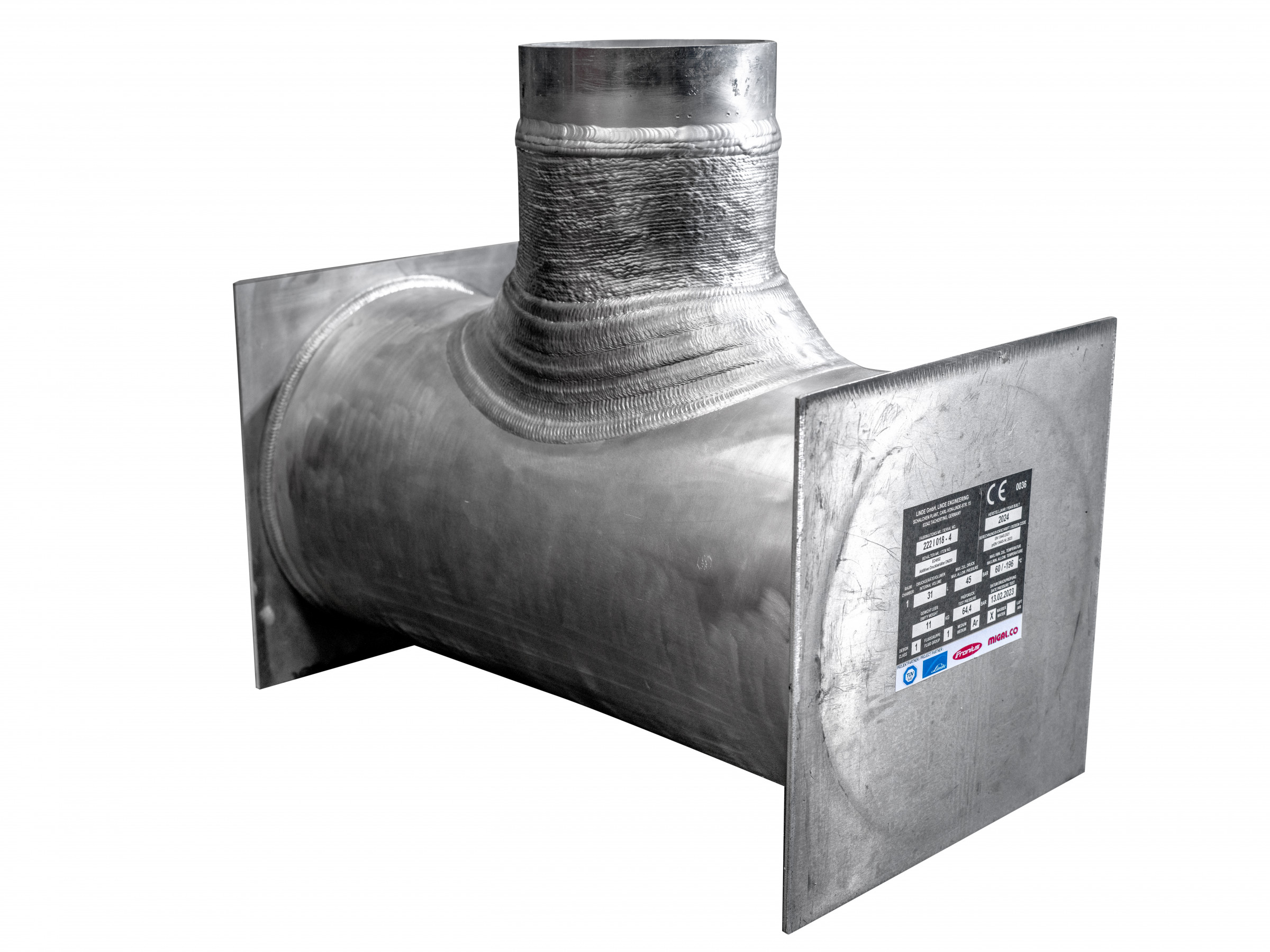
Additive manufacturing is now placing special demands on welding. This technology enables complex, custom-designed components to be produced with high precision and low material consumption. One example of this is pipeline construction, where completely new standards and requirements are currently under development. As a member of the “Joint working group for additively manufactured components under the Pressure Equipment Directive of the German Institute for Standardization (DIN)”, Fronius is at the forefront of this work. Working in collaboration with MIGAL.CO, Linde Engineering, and TÜV SÜD, the Austrian welding experts took part in the model qualification of an additively welded pipe branch in the form of a pressure vessel. The working group assessed the applicability of the draft standard prEN 13445-14 to the components of unfired pressure vessels. This collaboration resulted in the Fronius Additive Pro characteristic for the Wire Arc Additive Manufacturing (WAAM) process, which enables fast, cost-efficient and precise component production.
Working together towards a sustainable future
With comprehensive services and cutting-edge technology, Fronius ensures that companies are ideally equipped to master the challenges of technological transformation and shape a sustainable future.
(Fronius International GmbH)
Schlagworte
CMTITMAGMIGRobot WeldingRobotsSoftwareWelding