
03.03.2025
International
Frequently underestimated danger
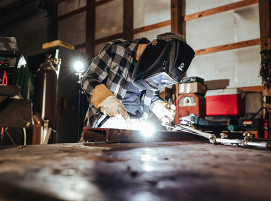
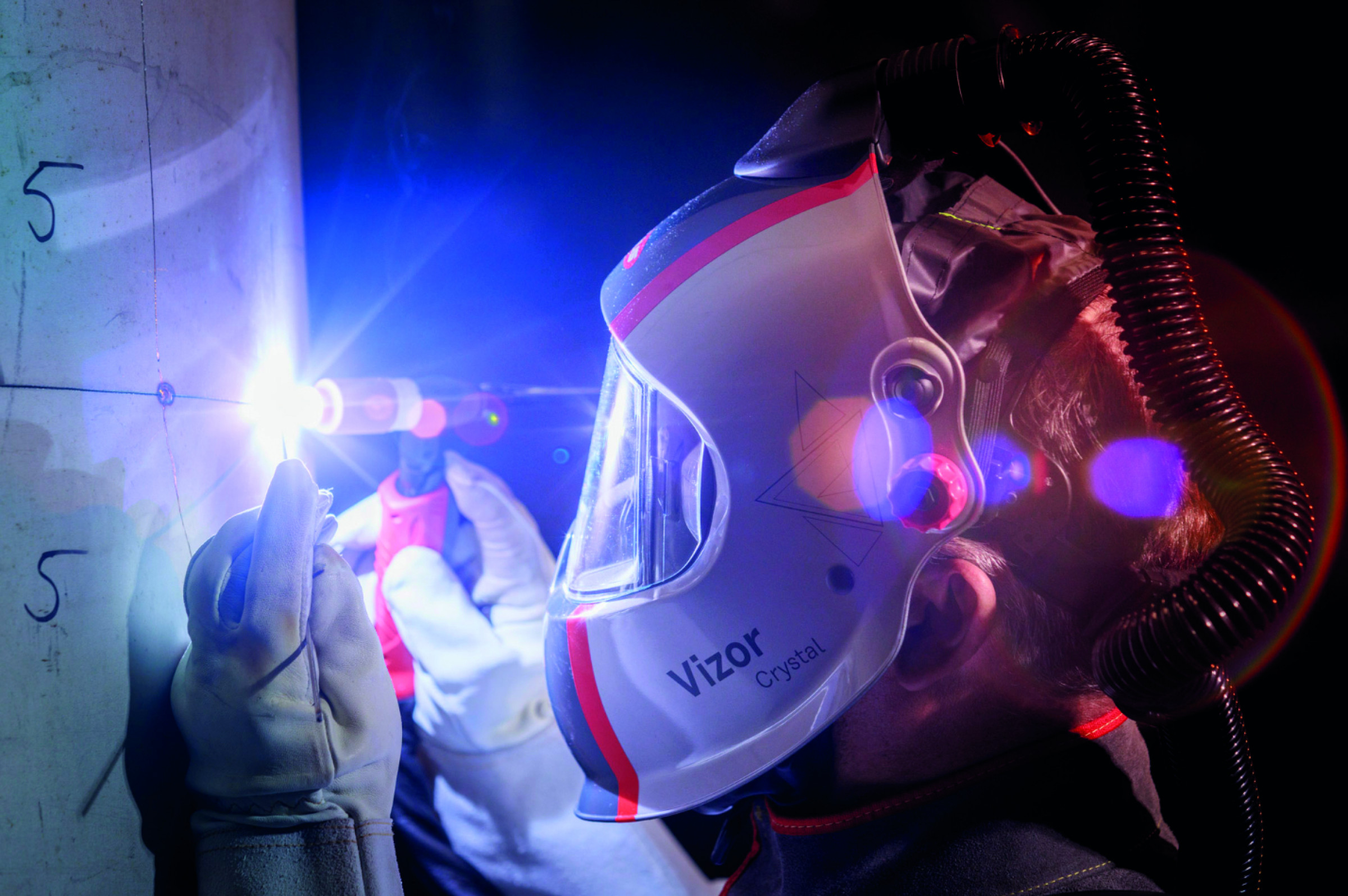
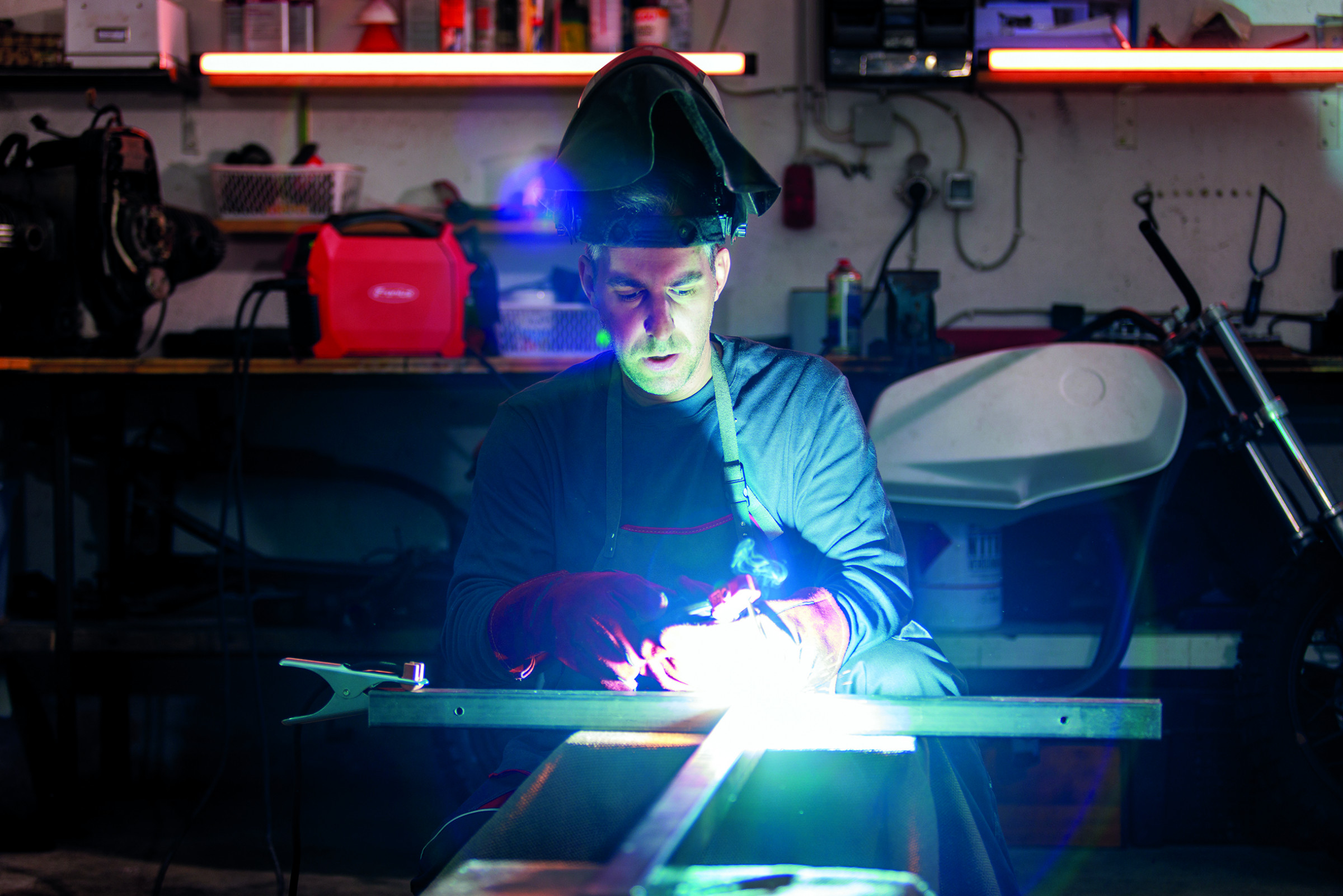
It’s just another typical day in the workshop: sparks are flying, metal is glowing, the arc is burning brightly. Suddenly, you feel a brief stabbing pain in the eyes and stumble backwards. All it took was a few seconds of carelessness and your eyes are exposed to the extreme intensity of the blinding plasma.
What happened?
An intense arc is generated during gas shielded arc welding, establishing an electrical voltage between the electrode and the workpiece. If the voltage is high enough, the shielding gas coming out of the welding torch is ionized to form an electrically conductive plasma. This plasma permits the flow of an electric current, which produces the arc. The radiation released is extremely energetic and can cause painful damage to unprotected eyes. The medical term for this unpleasant phenomenon is keratoconjunctivitis photoelectrica, known to us in the trade as arc eye. Essentially it is an acute inflammation of the cornea and conjunctiva caused by intense UV radiation.
What makes an arc?
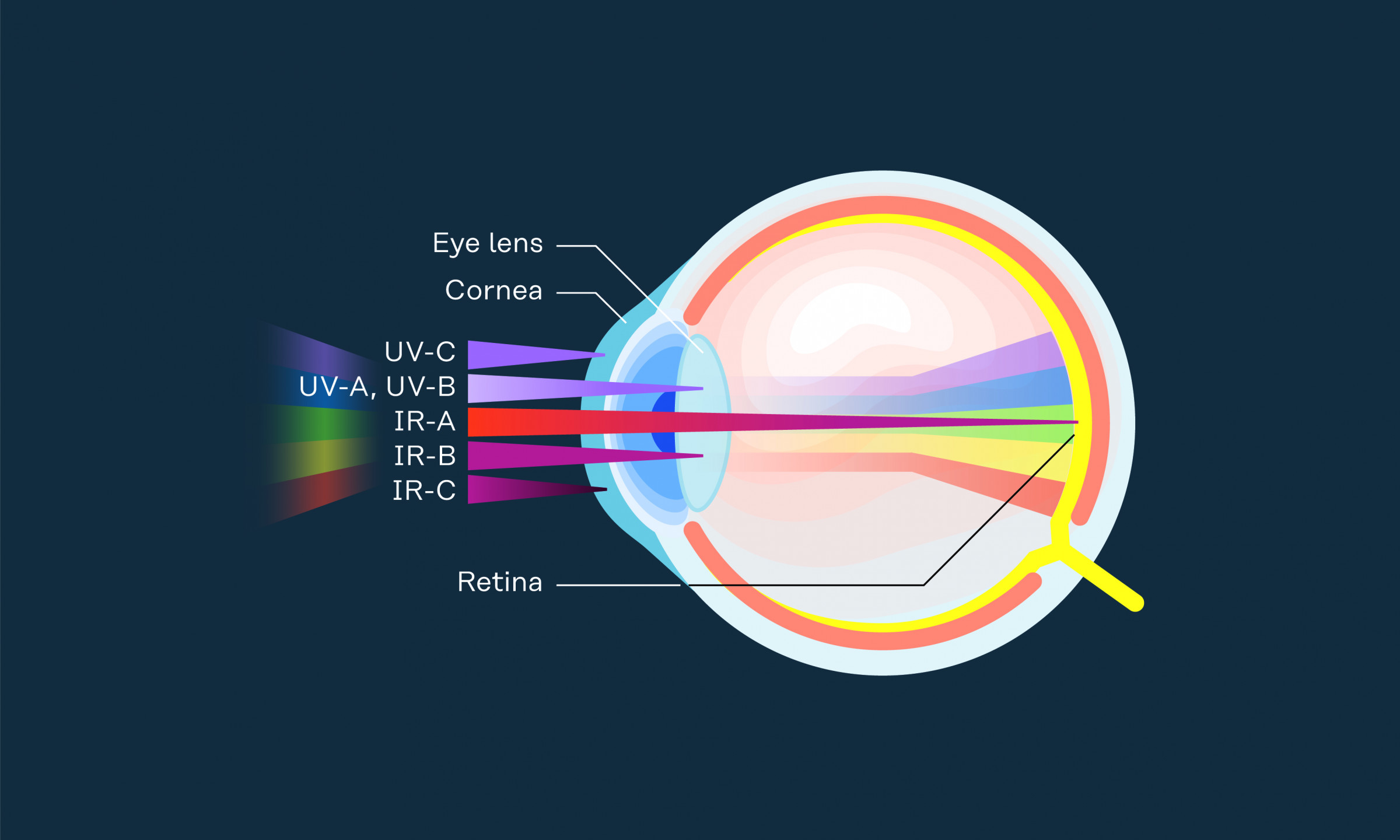
The ionized plasma contains free-moving negatively charged electrons, positively charged ions and photons – light particles that release a broad spectrum of visible light as well as ultraviolet (UV) and infrared (IR) radiation. It also contains non-ionized neutral gas atoms and metal vapor; the latter containing vaporized particles from the electrode and the workpiece. The arc column reaches temperatures between 3,700 and 15,700 °C (4,000 to 16,000 K).
Light types and risk
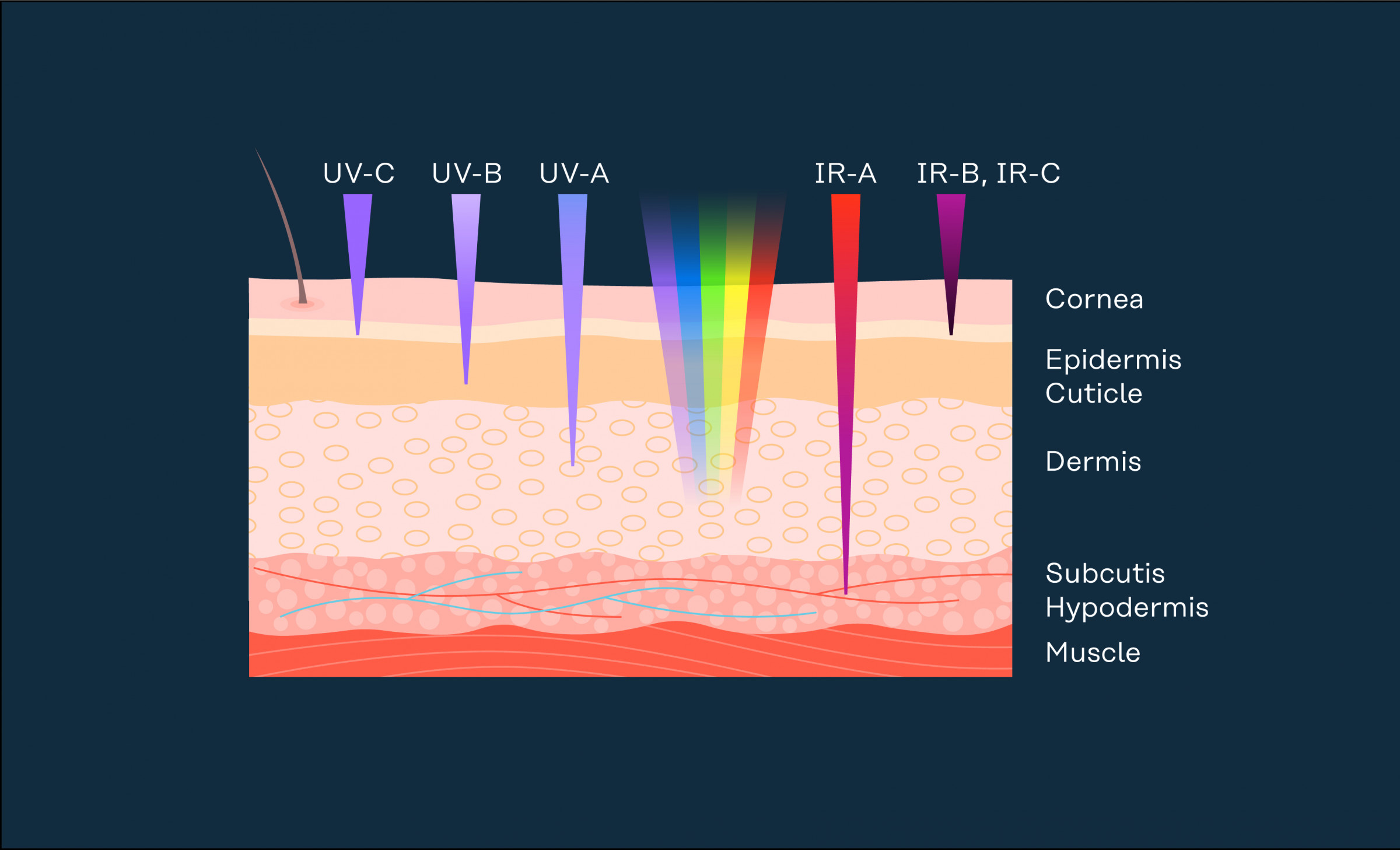
The arc emits various types of radiation, each of which poses a variety of risks to the health of welders.
- Visible light can cause dazzling, impairing the visibility of the welder and creating hazardous working conditions.
- Infrared (IR) radiation can penetrate deep into tissue and cause thermal damage. It is often perceived as heat and, if exposed to it for a long time, may result in burns.
- Ultraviolet (UV) radiation is particularly hazardous for the eyes and skin. It can damage the cornea and conjunctiva of the eyes, resulting in the aforementioned keratoconjunctivitis photoelectrica (arc eye). It can also cause burns on the skin and, in the long term, skin cancer.
How to respond to arc eye injuries
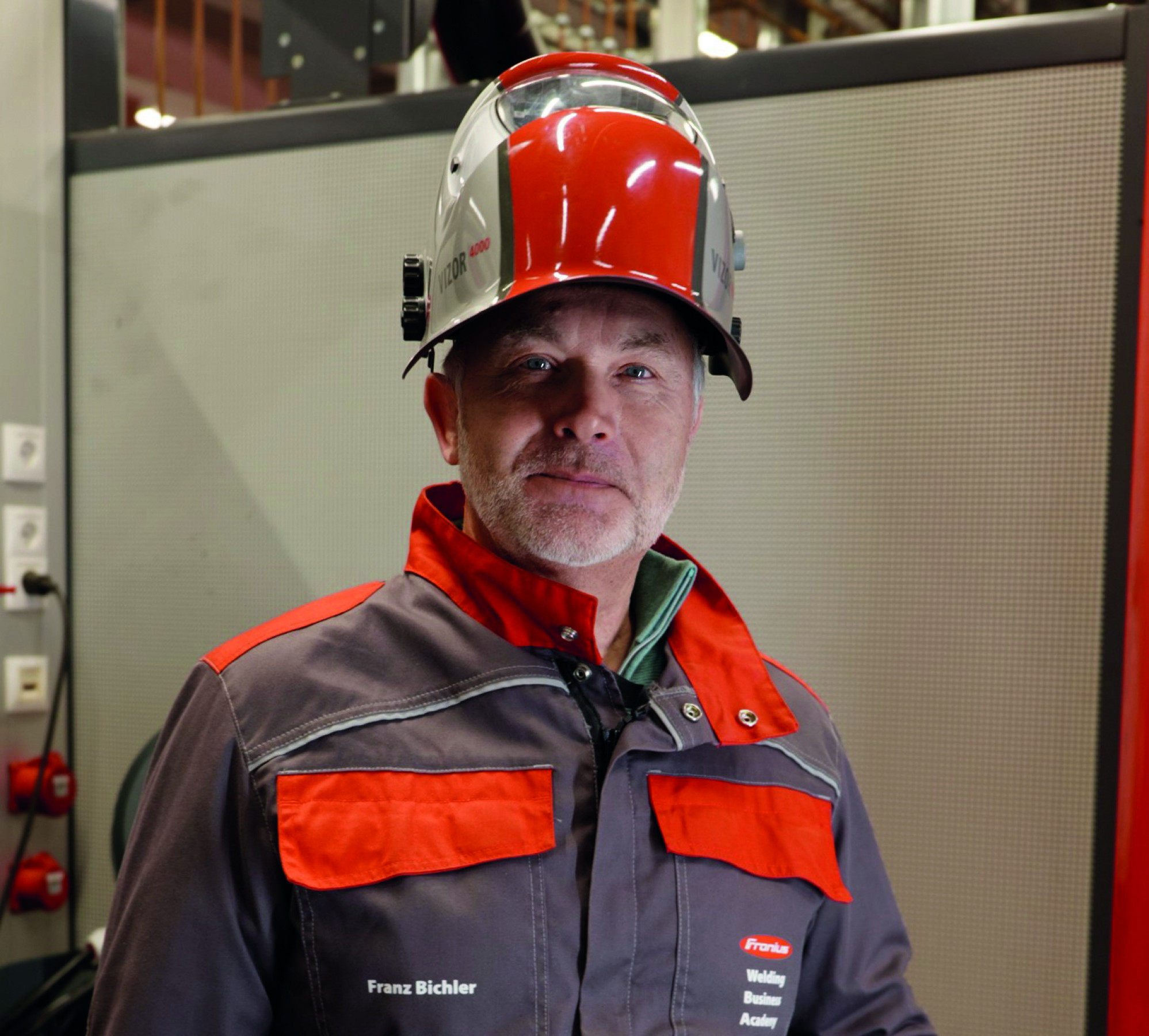
Franz Bichler, welding trainer at Fronius International, commented, “Back in the day, I always used to get arc eye. Whenever I was close to somebody welding, I often underestimated the reflection of arcs off nearby walls.”
Many welders rinse their eyes in a sterile saline solution and then apply cloths dipped in cold milk. Today, however, we know that this self-help procedure is totally counterproductive, as it increases the risk of inflammation. This is because arc eye causes small scars to form, which can easily become inflamed. “I recommend consulting a doctor immediately, because you can’t take any risks with arc eye. I know welders who can hardly see a thing while TIG welding, because they haven’t used sufficient protection for years and haven’t seen a doctor,” adds Bichler.
Eye injury statistics
According to the German Society of Ophthalmology (DOG), there are around 300,000 eye injuries in Germany every year, 5 % of which have serious consequences. These include permanent visual impairment, chronic pain, and, in extreme cases, even blindness. Eye injuries caused by welding work are also a serious problem in Austria. According to AUVA, the national health insurance body for occupational accidents and illnesses in Austria, there were a total of 129,866 workplace accidents in 2023, a significant proportion of which involved eye injuries. AUVA has pointed out that many of these injuries could have been avoided by adopting suitable protective measures.
Medical opinions
Arc eye injuries are no laughing matter. Immediate, professional assistance is required, something that only an eye specialist can provide. This is why doctors emphasize how important it is to treat burns caused by the arc immediately.
“The symptoms must be taken seriously and treated quickly to avoid long-term damage. Injuries usually heal within 24 to 48 hours if treated correctly,” explains Dr. Diana Pöppl from AUVA. Typical signs of arc eye include redness, watery eyes, a feeling that something is in the eyes and sensitivity to light. “The first thing to do is to remove contact lenses and keep the eyes closed, without rubbing them with the fingers, as this can make the inflammation worse,” she advises, before continuing, “customary treatments include antibiotic eye drops and anti-inflammatory medication.”
Repeated arc eye
Repeated arc eye can lead to chronic inflammation, permanent damage to the cornea, and increase the likelihood of further injuries. There is a risk of cataracts and in the worst case even blindness.
Protective measures
To avoid accidents, welders should always wear suitable helmets fitted with UV filters. Certified welding protection screens are also important to protect everyone in the vicinity of welding work. “Regular breaks and training are also advisable,” stresses Dr. Pöppl.
As welding helmets are essential for the safety of welders, it pays to invest in quality and reliability – for example with a helmet from Fronius:
- Fronius Vizor 4000 Professional: This helmet offers ideal levels of protection and makes every welding task safer, more efficient, and more straightforward for the welder.
- Fronius Vizor Crystal: With its unique anti-glare technology, this helmet offers crystal-clear vision and optimum protection.
Recognition as a work-related illness and pension payments
In Germany, eye injuries caused by UV radiation, including arc eye, are recognized as a work-related illness under certain circumstances. The process of confirming this is conducted by the employers’ liability insurance associations, which are also responsible for paying pensions in the event of permanent damage. However, exact figures for pension payments made due to arc eye injuries are not publicly available.
In Austria, eye injuries caused by welding work can also be recognized as a work-related illness if a clear connection can be established between the occupational activity and the illness. AUVA is responsible for the recognition process and for compensation payouts. Once again, specific figures for accident benefits associated with arc eye injuries are not published in detail.
What other hazards lie in wait for welders?
The dangers posed by the arc are not just restricted to arc eye and burns. Various other factors also have to be considered:
- High temperatures: An arc can reach temperatures of several thousand °C, which can result in serious burns.
- Electrical dangers: The high electrical current generated by the arc can be extremely dangerous in the event of direct contact.
- Welding spatter: The high temperatures may cause metal spatter, which can also results in burns.
To offer protection against all these dangers, it is vital to wear suitable personal protective equipment (PPE).
Appeal to companies
The safety of welding specialists must have the highest priority. Companies are obliged to protect their employees and to provide them with the best possible protection equipment. This not only includes top-quality welding helmets and protective screens, but regular training sessions and breaks are also required to safeguard the health of employees. Fronius supports metalworking companies with a comprehensive range of personal protective equipment that meets the highest safety standards and makes the working day safer for all welding personnel.
(Source: Fronius International GmbH)